End Unaccountable Amnesty Act
USA119th CongressHR-696| House
| Updated: 1/23/2025
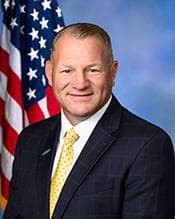
Troy E. Nehls
Republican Representative
Texas
Cosponsors (10)
Homeland Security Committee, Transportation and Infrastructure Committee, Border Security and Enforcement Subcommittee, Judiciary Committee
- Introduced
- In Committee
- On Floor
- Passed Chamber
- Enacted
The "End Unaccountable Amnesty Act" proposes substantial changes to several key areas of U.S. immigration law, aiming to restrict executive discretion and tighten eligibility for various protections and benefits. One major reform targets Temporary Protected Status (TPS) , shifting the authority for designating and extending TPS from the executive branch to requiring an Act of Congress. Such congressional acts would need to include specific findings regarding ongoing conflict or environmental disaster, an estimate of eligible nationals, and a designation period not exceeding 12 months. This change also makes lacking lawful immigration status a disqualifier for TPS. The bill amends provisions concerning unaccompanied alien children (UACs) , removing special protections for those from contiguous countries and potentially subjecting more UACs to expedited removal. It mandates information sharing with the Department of Homeland Security regarding individuals sponsoring UACs and requires the initiation of removal proceedings against unlawfully present sponsors. Furthermore, it tightens eligibility for Special Immigrant Juvenile Status (SIJS) , requiring that reunification with any parent or legal guardian is not viable due to abuse, neglect, or abandonment. A significant provision of the bill is the repeal of Section 240A of the Immigration and Nationality Act , which currently allows certain non-permanent residents to apply for cancellation of removal and adjustment of status. This eliminates a pathway to legal status for individuals who have maintained continuous physical presence and demonstrated good moral character. The bill also prohibits the Transportation Security Administration from accepting specific documents, such as the CBP One Mobile App or Notices to Appear, as valid identification for air travel. The legislation drastically reforms immigration parole authority , limiting the Secretary of Homeland Security's discretion to grant parole. Parole would be restricted to a strict case-by-case basis for narrowly defined urgent humanitarian reasons or significant public benefits, explicitly prohibiting its use for entire classes of aliens. It establishes a cap of 1,000 total parole grants per fiscal year and generally prohibits employment for parolees, with limited exceptions. The bill also creates a cause of action allowing individuals or governments to sue the federal government for financial harm resulting from the unlawful application of these parole provisions.
Suggested Questions
Get AI-generated questions to help you understand this bill better
Timeline
Introduced in House
Referred to the Subcommittee on Border Security and Enforcement.
Referred to the Committee on the Judiciary, and in addition to the Committees on Homeland Security, and Transportation and Infrastructure, for a period to be subsequently determined by the Speaker, in each case for consideration of such provisions as fall within the jurisdiction of the committee concerned.
Immigration
End Unaccountable Amnesty Act
USA119th CongressHR-696| House
| Updated: 1/23/2025
The "End Unaccountable Amnesty Act" proposes substantial changes to several key areas of U.S. immigration law, aiming to restrict executive discretion and tighten eligibility for various protections and benefits. One major reform targets Temporary Protected Status (TPS) , shifting the authority for designating and extending TPS from the executive branch to requiring an Act of Congress. Such congressional acts would need to include specific findings regarding ongoing conflict or environmental disaster, an estimate of eligible nationals, and a designation period not exceeding 12 months. This change also makes lacking lawful immigration status a disqualifier for TPS. The bill amends provisions concerning unaccompanied alien children (UACs) , removing special protections for those from contiguous countries and potentially subjecting more UACs to expedited removal. It mandates information sharing with the Department of Homeland Security regarding individuals sponsoring UACs and requires the initiation of removal proceedings against unlawfully present sponsors. Furthermore, it tightens eligibility for Special Immigrant Juvenile Status (SIJS) , requiring that reunification with any parent or legal guardian is not viable due to abuse, neglect, or abandonment. A significant provision of the bill is the repeal of Section 240A of the Immigration and Nationality Act , which currently allows certain non-permanent residents to apply for cancellation of removal and adjustment of status. This eliminates a pathway to legal status for individuals who have maintained continuous physical presence and demonstrated good moral character. The bill also prohibits the Transportation Security Administration from accepting specific documents, such as the CBP One Mobile App or Notices to Appear, as valid identification for air travel. The legislation drastically reforms immigration parole authority , limiting the Secretary of Homeland Security's discretion to grant parole. Parole would be restricted to a strict case-by-case basis for narrowly defined urgent humanitarian reasons or significant public benefits, explicitly prohibiting its use for entire classes of aliens. It establishes a cap of 1,000 total parole grants per fiscal year and generally prohibits employment for parolees, with limited exceptions. The bill also creates a cause of action allowing individuals or governments to sue the federal government for financial harm resulting from the unlawful application of these parole provisions.
Suggested Questions
Get AI-generated questions to help you understand this bill better
Timeline
Introduced in House
Referred to the Subcommittee on Border Security and Enforcement.
Referred to the Committee on the Judiciary, and in addition to the Committees on Homeland Security, and Transportation and Infrastructure, for a period to be subsequently determined by the Speaker, in each case for consideration of such provisions as fall within the jurisdiction of the committee concerned.
Troy E. Nehls
Republican Representative
Texas
Cosponsors (10)
Homeland Security Committee, Transportation and Infrastructure Committee, Border Security and Enforcement Subcommittee, Judiciary Committee
Immigration
Related Bills
- Introduced
- In Committee
- On Floor
- Passed Chamber
- Enacted