Permanent OPTN Fee Authority Act
USA119th CongressHR-5259| House
| Updated: 9/10/2025
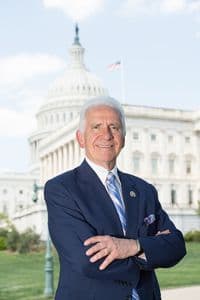
Jim Costa
Democratic Representative
California
Cosponsors (1)
Energy and Commerce Committee
- Introduced
- In Committee
- On Floor
- Passed Chamber
- Enacted
This bill, titled the "Permanent OPTN Fee Authority Act," authorizes the Secretary of Health and Human Services to collect registration fees from members of the Organ Procurement and Transplantation Network (OPTN). These fees will be assessed for each transplant candidate placed on the national waiting list and are designated solely to support the operation of the OPTN , remaining available until expended. The Secretary can collect these funds directly or through existing awards, crediting them as discretionary offsetting collections for distribution to OPTN awardees. To ensure transparency, the Secretary must promptly post on the OPTN website the amount of fees collected from each member and a list of the activities supported by these funds, updated quarterly. Additionally, the bill directs the OPTN to consider establishing a public dashboard to display key transplant statistics, such as the number and types of transplants performed and organs not transplanted, with frequent updates. Within two years, the Comptroller General must review these fee collection activities and report findings and recommendations to Congress.
View Full TextSuggested Questions
Get AI-generated questions to help you understand this bill better
Timeline
Introduced in House
Referred to the House Committee on Energy and Commerce.
Health
Permanent OPTN Fee Authority Act
USA119th CongressHR-5259| House
| Updated: 9/10/2025
This bill, titled the "Permanent OPTN Fee Authority Act," authorizes the Secretary of Health and Human Services to collect registration fees from members of the Organ Procurement and Transplantation Network (OPTN). These fees will be assessed for each transplant candidate placed on the national waiting list and are designated solely to support the operation of the OPTN , remaining available until expended. The Secretary can collect these funds directly or through existing awards, crediting them as discretionary offsetting collections for distribution to OPTN awardees. To ensure transparency, the Secretary must promptly post on the OPTN website the amount of fees collected from each member and a list of the activities supported by these funds, updated quarterly. Additionally, the bill directs the OPTN to consider establishing a public dashboard to display key transplant statistics, such as the number and types of transplants performed and organs not transplanted, with frequent updates. Within two years, the Comptroller General must review these fee collection activities and report findings and recommendations to Congress.
View Full TextSuggested Questions
Get AI-generated questions to help you understand this bill better
Timeline
Introduced in House
Referred to the House Committee on Energy and Commerce.
Jim Costa
Democratic Representative
California
Cosponsors (1)
Energy and Commerce Committee
Health
Related Bills
- Introduced
- In Committee
- On Floor
- Passed Chamber
- Enacted