Making American Elections Great Again Act
USA119th CongressHR-4798| House
| Updated: 7/29/2025
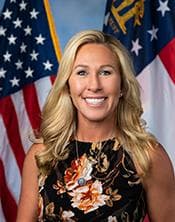
Marjorie Taylor Greene
Republican Representative
Georgia
Cosponsors (4)
Committee on House Administration, Judiciary Committee, Oversight and Government Reform Committee
- Introduced
- In Committee
- On Floor
- Passed Chamber
- Enacted
This bill, titled the "Making American Elections Great Again Act," proposes significant changes to the decennial census and federal election procedures. It mandates that the Secretary of Commerce conduct a decennial census on the date of the Act's enactment and every 10 years thereafter, requiring a checkbox on census questionnaires for individuals to indicate their U.S. citizenship status. A core provision of the bill is to base the apportionment of Representatives in Congress and the allocation of electoral votes solely on the number of U.S. citizens, explicitly excluding non-citizens from these counts. States would then be required to undertake redistricting based on this citizen-only apportionment. These changes aim to redefine how political representation is determined at the federal level. Furthermore, the bill establishes new requirements for voting in federal elections, effective for the November 2026 general election and subsequent elections. Individuals voting in person or by mail must present or submit both government photo identification and proof of United States citizenship . Acceptable forms of citizenship proof include a valid U.S. passport, certified birth certificate, or naturalization certificate. Voters unable to provide the required identification or proof of citizenship may cast a provisional ballot, but it will only be counted if their citizenship is subsequently verified. The legislation also amends the National Voter Registration Act of 1993 to introduce criminal penalties for actions such as providing material assistance to a noncitizen attempting to vote or issuing a ballot to an individual who fails to present the mandated identification and proof of citizenship.
View Full TextSuggested Questions
Get AI-generated questions to help you understand this bill better
Timeline
Introduced in House
Referred to the Committee on House Administration, and in addition to the Committees on Oversight and Government Reform, and the Judiciary, for a period to be subsequently determined by the Speaker, in each case for consideration of such provisions as fall within the jurisdiction of the committee concerned.
Government Operations and Politics
Making American Elections Great Again Act
USA119th CongressHR-4798| House
| Updated: 7/29/2025
This bill, titled the "Making American Elections Great Again Act," proposes significant changes to the decennial census and federal election procedures. It mandates that the Secretary of Commerce conduct a decennial census on the date of the Act's enactment and every 10 years thereafter, requiring a checkbox on census questionnaires for individuals to indicate their U.S. citizenship status. A core provision of the bill is to base the apportionment of Representatives in Congress and the allocation of electoral votes solely on the number of U.S. citizens, explicitly excluding non-citizens from these counts. States would then be required to undertake redistricting based on this citizen-only apportionment. These changes aim to redefine how political representation is determined at the federal level. Furthermore, the bill establishes new requirements for voting in federal elections, effective for the November 2026 general election and subsequent elections. Individuals voting in person or by mail must present or submit both government photo identification and proof of United States citizenship . Acceptable forms of citizenship proof include a valid U.S. passport, certified birth certificate, or naturalization certificate. Voters unable to provide the required identification or proof of citizenship may cast a provisional ballot, but it will only be counted if their citizenship is subsequently verified. The legislation also amends the National Voter Registration Act of 1993 to introduce criminal penalties for actions such as providing material assistance to a noncitizen attempting to vote or issuing a ballot to an individual who fails to present the mandated identification and proof of citizenship.
View Full TextSuggested Questions
Get AI-generated questions to help you understand this bill better
Timeline
Introduced in House
Referred to the Committee on House Administration, and in addition to the Committees on Oversight and Government Reform, and the Judiciary, for a period to be subsequently determined by the Speaker, in each case for consideration of such provisions as fall within the jurisdiction of the committee concerned.
Marjorie Taylor Greene
Republican Representative
Georgia
Cosponsors (4)
Committee on House Administration, Judiciary Committee, Oversight and Government Reform Committee
Government Operations and Politics
Related Bills
- Introduced
- In Committee
- On Floor
- Passed Chamber
- Enacted