Stop AI Price Gouging and Wage Fixing Act of 2025
USA119th CongressHR-4640| House
| Updated: 7/23/2025
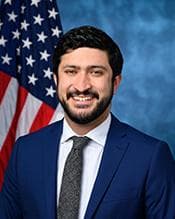
Greg Casar
Democratic Representative
Texas
Cosponsors (40)
Dwight Evans (Democratic)April McClain Delaney (Democratic)Yassamin Ansari (Democratic)Becca Balint (Democratic)Sylvia R. Garcia (Democratic)Chris Pappas (Democratic)Jared Huffman (Democratic)Mark Pocan (Democratic)Christopher R. Deluzio (Democratic)Ilhan Omar (Democratic)Frederica S. Wilson (Democratic)Maxwell Frost (Democratic)Debbie Dingell (Democratic)Angie Craig (Democratic)Delia C. Ramirez (Democratic)Rosa L. DeLauro (Democratic)Henry C. "Hank" Johnson (Democratic)Derek Tran (Democratic)Al Green (Democratic)André Carson (Democratic)Stephen F. Lynch (Democratic)Daniel S. Goldman (Democratic)Morgan McGarvey (Democratic)Adelita S. Grijalva (Democratic)Mark Takano (Democratic)Kathy Castor (Democratic)Betty McCollum (Democratic)Eleanor Holmes Norton (Democratic)Val T. Hoyle (Democratic)Lateefah Simon (Democratic)James P. McGovern (Democratic)Alexandria Ocasio-Cortez (Democratic)Summer L. Lee (Democratic)Emily Randall (Democratic)Jesús G. "Chuy" García (Democratic)Jimmy Gomez (Democratic)Grace Meng (Democratic)Valerie P. Foushee (Democratic)Rashida Tlaib (Democratic)Judy Chu (Democratic)
Judiciary Committee, Energy and Commerce Committee, Education and Workforce Committee
- Introduced
- In Committee
- On Floor
- Passed Chamber
- Enacted
This bill aims to prohibit the use of algorithmic decision systems for surveillance-based price setting and surveillance-based wage setting . It defines these practices as using automated systems to customize prices for goods or services, or inform wages for workers, based on surveillance data . This data includes personal and genetic information, behavior, or biometrics obtained through observation or inference, and the legislation seeks to prevent discriminatory or unfair practices. The bill generally prohibits using automated decision systems to offer customized prices based on surveillance data. However, exceptions are allowed for price differences based solely on reasonable costs, or for discounted prices offered to broadly defined groups like teachers or veterans, or through loyalty programs. These exceptions require clear disclosure of eligibility, uniform offering of discounts, and using surveillance data solely for administering the discount, not for profiling or individualized pricing. Before implementing excepted pricing practices, entities must publicly disclose procedures ensuring data accuracy, allowing consumers to challenge data, and revealing how data influences pricing. Violations are treated as unfair or deceptive acts under the Federal Trade Commission Act, with the Federal Trade Commission (FTC) empowered to enforce the provisions across various entities. States can also bring civil actions, and individuals have a private right of action to seek damages (at least $3,000 per violation) and other relief, with pre-dispute arbitration agreements being invalid. Regarding wage setting, the bill broadly prohibits using automated decision systems that consider personal information or surveillance data to set or inform worker compensation. A narrow exception exists if the system uses only data related to the worker's city or state and the cost of living in that location. Entities using automated systems for wage setting must publicly disclose procedures for ensuring data accuracy, informing workers about data use, and allowing workers to challenge data. Enforcement for wage setting is shared between the Equal Employment Opportunity Commission (EEOC) and the FTC , with both able to bring civil actions. States and individuals also have private rights of action, including minimum damages and the invalidity of pre-dispute arbitration agreements for wage-related disputes. The bill also clarifies that it does not preempt state laws offering greater protections and explicitly preserves collective bargaining rights , requiring advance notice for employers regarding automated wage-setting systems.
View Full TextSuggested Questions
Get AI-generated questions to help you understand this bill better
Timeline
Introduced in House
Referred to the Committee on Energy and Commerce, and in addition to the Committees on the Judiciary, and Education and Workforce, for a period to be subsequently determined by the Speaker, in each case for consideration of such provisions as fall within the jurisdiction of the committee concerned.
Commerce
Stop AI Price Gouging and Wage Fixing Act of 2025
USA119th CongressHR-4640| House
| Updated: 7/23/2025
This bill aims to prohibit the use of algorithmic decision systems for surveillance-based price setting and surveillance-based wage setting . It defines these practices as using automated systems to customize prices for goods or services, or inform wages for workers, based on surveillance data . This data includes personal and genetic information, behavior, or biometrics obtained through observation or inference, and the legislation seeks to prevent discriminatory or unfair practices. The bill generally prohibits using automated decision systems to offer customized prices based on surveillance data. However, exceptions are allowed for price differences based solely on reasonable costs, or for discounted prices offered to broadly defined groups like teachers or veterans, or through loyalty programs. These exceptions require clear disclosure of eligibility, uniform offering of discounts, and using surveillance data solely for administering the discount, not for profiling or individualized pricing. Before implementing excepted pricing practices, entities must publicly disclose procedures ensuring data accuracy, allowing consumers to challenge data, and revealing how data influences pricing. Violations are treated as unfair or deceptive acts under the Federal Trade Commission Act, with the Federal Trade Commission (FTC) empowered to enforce the provisions across various entities. States can also bring civil actions, and individuals have a private right of action to seek damages (at least $3,000 per violation) and other relief, with pre-dispute arbitration agreements being invalid. Regarding wage setting, the bill broadly prohibits using automated decision systems that consider personal information or surveillance data to set or inform worker compensation. A narrow exception exists if the system uses only data related to the worker's city or state and the cost of living in that location. Entities using automated systems for wage setting must publicly disclose procedures for ensuring data accuracy, informing workers about data use, and allowing workers to challenge data. Enforcement for wage setting is shared between the Equal Employment Opportunity Commission (EEOC) and the FTC , with both able to bring civil actions. States and individuals also have private rights of action, including minimum damages and the invalidity of pre-dispute arbitration agreements for wage-related disputes. The bill also clarifies that it does not preempt state laws offering greater protections and explicitly preserves collective bargaining rights , requiring advance notice for employers regarding automated wage-setting systems.
View Full TextSuggested Questions
Get AI-generated questions to help you understand this bill better
Timeline
Introduced in House
Referred to the Committee on Energy and Commerce, and in addition to the Committees on the Judiciary, and Education and Workforce, for a period to be subsequently determined by the Speaker, in each case for consideration of such provisions as fall within the jurisdiction of the committee concerned.
Greg Casar
Democratic Representative
Texas
Cosponsors (40)
Dwight Evans (Democratic)April McClain Delaney (Democratic)Yassamin Ansari (Democratic)Becca Balint (Democratic)Sylvia R. Garcia (Democratic)Chris Pappas (Democratic)Jared Huffman (Democratic)Mark Pocan (Democratic)Christopher R. Deluzio (Democratic)Ilhan Omar (Democratic)Frederica S. Wilson (Democratic)Maxwell Frost (Democratic)Debbie Dingell (Democratic)Angie Craig (Democratic)Delia C. Ramirez (Democratic)Rosa L. DeLauro (Democratic)Henry C. "Hank" Johnson (Democratic)Derek Tran (Democratic)Al Green (Democratic)André Carson (Democratic)Stephen F. Lynch (Democratic)Daniel S. Goldman (Democratic)Morgan McGarvey (Democratic)Adelita S. Grijalva (Democratic)Mark Takano (Democratic)Kathy Castor (Democratic)Betty McCollum (Democratic)Eleanor Holmes Norton (Democratic)Val T. Hoyle (Democratic)Lateefah Simon (Democratic)James P. McGovern (Democratic)Alexandria Ocasio-Cortez (Democratic)Summer L. Lee (Democratic)Emily Randall (Democratic)Jesús G. "Chuy" García (Democratic)Jimmy Gomez (Democratic)Grace Meng (Democratic)Valerie P. Foushee (Democratic)Rashida Tlaib (Democratic)Judy Chu (Democratic)
Judiciary Committee, Energy and Commerce Committee, Education and Workforce Committee
Commerce
Related Bills
- Introduced
- In Committee
- On Floor
- Passed Chamber
- Enacted