Trafficking Survivors Relief Act
USA119th CongressHR-4323| House
| Updated: 1/23/2026
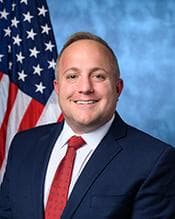
Russell Fry
Republican Representative
South Carolina
Cosponsors (19)
Keith Self (Republican)Greg Landsman (Democratic)Derek Schmidt (Republican)Eugene Simon Vindman (Democratic)Debbie Dingell (Democratic)Earl L. "Buddy" Carter (Republican)Ted Lieu (Democratic)Thomas H. Kean (Republican)Henry C. "Hank" Johnson (Democratic)Christopher H. Smith (Republican)Ann Wagner (Republican)John H. Rutherford (Republican)Sarah McBride (Democratic)Max L. Miller (Republican)Kevin Kiley (Independent)Mike Thompson (Democratic)Burgess Owens (Republican)Mark Harris (Republican)Jesús G. "Chuy" García (Democratic)
Judiciary Committee
- Introduced
- In Committee
- On Floor
- Passed Chamber
- Enacted
The Trafficking Survivors Relief Act establishes mechanisms for victims of human trafficking to obtain relief from certain federal criminal records. It permits individuals convicted of a level A offense , defined as a non-violent federal offense, to move the court to vacate their conviction if the offense was a direct result of having been a victim of trafficking. Similarly, it allows for the expungement of arrests for level A offenses under the same condition. For arrests related to level B offenses , which are violent federal crimes not involving child victims, expungement is possible if the conduct was directly related to trafficking and additional conditions are met, such as acquittal or dismissal of charges. Motions for relief require supporting evidence, including affidavits from anti-human trafficking service providers, and courts must hold hearings if the government opposes the motion. If a motion is granted, vacated convictions are not considered federal convictions, and expunged arrests are not regarded as federal arrests, restoring the movant's prior status. The Act also allows courts to reduce imprisonment terms for covered prisoners if their offense was a direct result of being trafficked. All motions and related documents are filed under seal to ensure the movant's confidentiality, and no fees can be charged for filing these motions. Furthermore, the bill creates a new human trafficking defense , allowing defendants in federal prosecutions to establish duress by demonstrating they were a victim of trafficking at the time of the offense. Importantly, failure to assert this defense during trial does not prevent its use as a mitigating factor during sentencing or in post-conviction relief proceedings, nor does it disqualify victims from federally funded aid programs. The Act mandates reporting from United States Attorneys and the Government Accountability Office on its implementation, including the number of motions filed and their outcomes, and training on human trafficking indicators. It clarifies that grants for legal representation can be used for post-conviction relief and applies to any conviction or arrest occurring before, on, or after its enactment, without conflicting with existing crime victims' rights.
Suggested Questions
Get AI-generated questions to help you understand this bill better
Timeline
Introduced in House
Referred to the House Committee on the Judiciary.
Committee Consideration and Mark-up Session Held
Ordered to be Reported (Amended) by Voice Vote.
Placed on the Union Calendar, Calendar No. 299.
Reported (Amended) by the Committee on Judiciary. H. Rept. 119-347.
Mr. Fry moved to suspend the rules and pass the bill, as amended.
Considered under suspension of the rules. (consideration: CR H4919-4923)
DEBATE - The House proceeded with forty minutes of debate on H.R. 4323.
Passed/agreed to in House: On motion to suspend the rules and pass the bill, as amended Agreed to by voice vote. (text: CR H4919-4921)
On motion to suspend the rules and pass the bill, as amended Agreed to by voice vote. (text: CR H4919-4921)
Motion to reconsider laid on the table Agreed to without objection.
Received in the Senate.
Received in the Senate, read twice.
Passed/agreed to in Senate: Passed Senate without amendment by Unanimous Consent.
Passed Senate without amendment by Unanimous Consent. (consideration: CR S8894)
Message on Senate action sent to the House.
Presented to President.
Signed by President.
Became Public Law No: 119-73.
Crime and Law Enforcement
Congressional oversightCrime victimsCriminal justice information and recordsCriminal procedure and sentencingEvidence and witnessesGovernment information and archivesGovernment studies and investigationsHuman traffickingJudicial procedure and administrationLegal fees and court costsSmuggling and trafficking
Trafficking Survivors Relief Act
USA119th CongressHR-4323| House
| Updated: 1/23/2026
The Trafficking Survivors Relief Act establishes mechanisms for victims of human trafficking to obtain relief from certain federal criminal records. It permits individuals convicted of a level A offense , defined as a non-violent federal offense, to move the court to vacate their conviction if the offense was a direct result of having been a victim of trafficking. Similarly, it allows for the expungement of arrests for level A offenses under the same condition. For arrests related to level B offenses , which are violent federal crimes not involving child victims, expungement is possible if the conduct was directly related to trafficking and additional conditions are met, such as acquittal or dismissal of charges. Motions for relief require supporting evidence, including affidavits from anti-human trafficking service providers, and courts must hold hearings if the government opposes the motion. If a motion is granted, vacated convictions are not considered federal convictions, and expunged arrests are not regarded as federal arrests, restoring the movant's prior status. The Act also allows courts to reduce imprisonment terms for covered prisoners if their offense was a direct result of being trafficked. All motions and related documents are filed under seal to ensure the movant's confidentiality, and no fees can be charged for filing these motions. Furthermore, the bill creates a new human trafficking defense , allowing defendants in federal prosecutions to establish duress by demonstrating they were a victim of trafficking at the time of the offense. Importantly, failure to assert this defense during trial does not prevent its use as a mitigating factor during sentencing or in post-conviction relief proceedings, nor does it disqualify victims from federally funded aid programs. The Act mandates reporting from United States Attorneys and the Government Accountability Office on its implementation, including the number of motions filed and their outcomes, and training on human trafficking indicators. It clarifies that grants for legal representation can be used for post-conviction relief and applies to any conviction or arrest occurring before, on, or after its enactment, without conflicting with existing crime victims' rights.
Suggested Questions
Get AI-generated questions to help you understand this bill better
Timeline
Introduced in House
Referred to the House Committee on the Judiciary.
Committee Consideration and Mark-up Session Held
Ordered to be Reported (Amended) by Voice Vote.
Placed on the Union Calendar, Calendar No. 299.
Reported (Amended) by the Committee on Judiciary. H. Rept. 119-347.
Mr. Fry moved to suspend the rules and pass the bill, as amended.
Considered under suspension of the rules. (consideration: CR H4919-4923)
DEBATE - The House proceeded with forty minutes of debate on H.R. 4323.
Passed/agreed to in House: On motion to suspend the rules and pass the bill, as amended Agreed to by voice vote. (text: CR H4919-4921)
On motion to suspend the rules and pass the bill, as amended Agreed to by voice vote. (text: CR H4919-4921)
Motion to reconsider laid on the table Agreed to without objection.
Received in the Senate.
Received in the Senate, read twice.
Passed/agreed to in Senate: Passed Senate without amendment by Unanimous Consent.
Passed Senate without amendment by Unanimous Consent. (consideration: CR S8894)
Message on Senate action sent to the House.
Presented to President.
Signed by President.
Became Public Law No: 119-73.
Russell Fry
Republican Representative
South Carolina
Cosponsors (19)
Keith Self (Republican)Greg Landsman (Democratic)Derek Schmidt (Republican)Eugene Simon Vindman (Democratic)Debbie Dingell (Democratic)Earl L. "Buddy" Carter (Republican)Ted Lieu (Democratic)Thomas H. Kean (Republican)Henry C. "Hank" Johnson (Democratic)Christopher H. Smith (Republican)Ann Wagner (Republican)John H. Rutherford (Republican)Sarah McBride (Democratic)Max L. Miller (Republican)Kevin Kiley (Independent)Mike Thompson (Democratic)Burgess Owens (Republican)Mark Harris (Republican)Jesús G. "Chuy" García (Democratic)
Judiciary Committee
Crime and Law Enforcement
Related Bills
- Introduced
- In Committee
- On Floor
- Passed Chamber
- Enacted
Congressional oversightCrime victimsCriminal justice information and recordsCriminal procedure and sentencingEvidence and witnessesGovernment information and archivesGovernment studies and investigationsHuman traffickingJudicial procedure and administrationLegal fees and court costsSmuggling and trafficking