Trafficking Survivors Relief Act of 2025
USA119th CongressHR-1379| House
| Updated: 2/14/2025
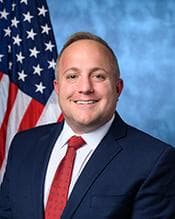
Russell Fry
Republican Representative
South Carolina
Cosponsors (17)
Robert Garcia (Democratic)Greg Landsman (Democratic)Derek Schmidt (Republican)Debbie Dingell (Democratic)Andy Biggs (Republican)Ted Lieu (Democratic)Henry C. "Hank" Johnson (Democratic)Emilia Strong Sykes (Democratic)Ann Wagner (Republican)Ami Bera (Democratic)Nicholas J. Begich (Republican)Byron Donalds (Republican)Wesley Hunt (Republican)Brian K. Fitzpatrick (Republican)Deborah K. Ross (Democratic)Kevin Kiley (Independent)Michael Lawler (Republican)
Judiciary Committee
- Introduced
- In Committee
- On Floor
- Passed Chamber
- Enacted
The Trafficking Survivors Relief Act of 2025 aims to provide significant relief for victims of human trafficking by addressing criminal records incurred as a direct consequence of their exploitation. It establishes a new federal process allowing these individuals to seek the vacating of certain convictions and the expungement of specific arrests. This initiative recognizes that traffickers often force victims into criminal activity, and seeks to mitigate the long-term impact of such records. Under the bill, a person convicted of a level A offense (a non-violent federal offense) may move to vacate the conviction if it was a direct result of being a trafficking victim. Similarly, individuals arrested for a level A offense can seek expungement of their arrest records if the conduct was directly related to their trafficking. For arrests involving level C offenses (any federal offense not a level A offense), expungement is possible if the conduct was trafficking-related and charges were dismissed, acquitted, or reduced to a level A offense that was subsequently resolved favorably. Motions for relief must be in writing and include supporting evidence. An affidavit or sworn testimony from a licensed anti-human trafficking service provider or clinician can be sufficient evidence if deemed credible and no other evidence is readily available. All motions and related documents are to be filed under seal, and identifying information about the movant is protected from public inspection, ensuring confidentiality for survivors. Beyond vacating convictions and expunging arrests, the bill also allows for sentence reductions for covered prisoners (imprisoned for level A or B offenses) if their offense was a direct result of trafficking. It further introduces a new human trafficking defense for federal offenses, creating a rebuttable presumption of duress if the defendant establishes by clear and convincing evidence that they were a trafficking victim at the time of the offense. This defense can also be used as a mitigating factor in sentencing or post-conviction relief proceedings. The Act mandates reporting from United States Attorneys on motions filed and from the Attorney General on human trafficking training for prosecutors. The Government Accountability Office (GAO) is also required to assess the impact of these provisions and recommend improvements. Furthermore, the bill clarifies that federal grants for legal representation may be used for post-conviction relief for trafficking survivors. Congress expresses its understanding that this Act is a crucial first step in addressing the evolving tactics of human traffickers who exploit forced criminality. It reaffirms a commitment to continuously seek solutions to thwart traffickers and protect survivors, while ensuring that the provisions do not conflict with existing crime victims' rights.
View Full TextSuggested Questions
Get AI-generated questions to help you understand this bill better
Timeline
Introduced in House
Referred to the House Committee on the Judiciary.
Crime and Law Enforcement
Congressional oversightCrime victimsCriminal justice information and recordsCriminal procedure and sentencingEvidence and witnessesGovernment information and archivesGovernment studies and investigationsHuman traffickingJudicial procedure and administrationLegal fees and court costsSmuggling and trafficking
Trafficking Survivors Relief Act of 2025
USA119th CongressHR-1379| House
| Updated: 2/14/2025
The Trafficking Survivors Relief Act of 2025 aims to provide significant relief for victims of human trafficking by addressing criminal records incurred as a direct consequence of their exploitation. It establishes a new federal process allowing these individuals to seek the vacating of certain convictions and the expungement of specific arrests. This initiative recognizes that traffickers often force victims into criminal activity, and seeks to mitigate the long-term impact of such records. Under the bill, a person convicted of a level A offense (a non-violent federal offense) may move to vacate the conviction if it was a direct result of being a trafficking victim. Similarly, individuals arrested for a level A offense can seek expungement of their arrest records if the conduct was directly related to their trafficking. For arrests involving level C offenses (any federal offense not a level A offense), expungement is possible if the conduct was trafficking-related and charges were dismissed, acquitted, or reduced to a level A offense that was subsequently resolved favorably. Motions for relief must be in writing and include supporting evidence. An affidavit or sworn testimony from a licensed anti-human trafficking service provider or clinician can be sufficient evidence if deemed credible and no other evidence is readily available. All motions and related documents are to be filed under seal, and identifying information about the movant is protected from public inspection, ensuring confidentiality for survivors. Beyond vacating convictions and expunging arrests, the bill also allows for sentence reductions for covered prisoners (imprisoned for level A or B offenses) if their offense was a direct result of trafficking. It further introduces a new human trafficking defense for federal offenses, creating a rebuttable presumption of duress if the defendant establishes by clear and convincing evidence that they were a trafficking victim at the time of the offense. This defense can also be used as a mitigating factor in sentencing or post-conviction relief proceedings. The Act mandates reporting from United States Attorneys on motions filed and from the Attorney General on human trafficking training for prosecutors. The Government Accountability Office (GAO) is also required to assess the impact of these provisions and recommend improvements. Furthermore, the bill clarifies that federal grants for legal representation may be used for post-conviction relief for trafficking survivors. Congress expresses its understanding that this Act is a crucial first step in addressing the evolving tactics of human traffickers who exploit forced criminality. It reaffirms a commitment to continuously seek solutions to thwart traffickers and protect survivors, while ensuring that the provisions do not conflict with existing crime victims' rights.
View Full TextSuggested Questions
Get AI-generated questions to help you understand this bill better
Timeline
Introduced in House
Referred to the House Committee on the Judiciary.
Russell Fry
Republican Representative
South Carolina
Cosponsors (17)
Robert Garcia (Democratic)Greg Landsman (Democratic)Derek Schmidt (Republican)Debbie Dingell (Democratic)Andy Biggs (Republican)Ted Lieu (Democratic)Henry C. "Hank" Johnson (Democratic)Emilia Strong Sykes (Democratic)Ann Wagner (Republican)Ami Bera (Democratic)Nicholas J. Begich (Republican)Byron Donalds (Republican)Wesley Hunt (Republican)Brian K. Fitzpatrick (Republican)Deborah K. Ross (Democratic)Kevin Kiley (Independent)Michael Lawler (Republican)
Judiciary Committee
Crime and Law Enforcement
Related Bills
- Introduced
- In Committee
- On Floor
- Passed Chamber
- Enacted
Congressional oversightCrime victimsCriminal justice information and recordsCriminal procedure and sentencingEvidence and witnessesGovernment information and archivesGovernment studies and investigationsHuman traffickingJudicial procedure and administrationLegal fees and court costsSmuggling and trafficking