Resources for Victims of Gun Violence Act of 2025
USA119th CongressHR-2837| House
| Updated: 4/10/2025
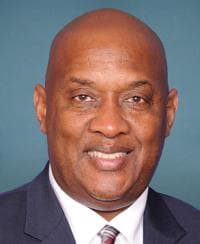
Dwight Evans
Democratic Representative
Pennsylvania
Cosponsors (52)
Kim Schrier (Democratic)Nikema Williams (Democratic)Yassamin Ansari (Democratic)Becca Balint (Democratic)Sylvia R. Garcia (Democratic)Robin L. Kelly (Democratic)Julie Johnson (Democratic)Mark Pocan (Democratic)Joyce Beatty (Democratic)Ed Case (Democratic)Shontel M. Brown (Democratic)Terri A. Sewell (Democratic)Steven Horsford (Democratic)Dina Titus (Democratic)Suzan K. DelBene (Democratic)Angie Craig (Democratic)Delia C. Ramirez (Democratic)Shri Thanedar (Democratic)Ro Khanna (Democratic)Henry C. "Hank" Johnson (Democratic)Sheila Cherfilus-McCormick (Democratic)Al Green (Democratic)Brendan F. Boyle (Democratic)Stephen F. Lynch (Democratic)Jill N. Tokuda (Democratic)Doris O. Matsui (Democratic)Suhas Subramanyam (Democratic)Daniel S. Goldman (Democratic)Morgan McGarvey (Democratic)Raja Krishnamoorthi (Democratic)Sydney Kamlager-Dove (Democratic)Betty McCollum (Democratic)Eleanor Holmes Norton (Democratic)Bonnie Watson Coleman (Democratic)Mary Gay Scanlon (Democratic)Wesley Bell (Democratic)Norma J. Torres (Democratic)Timothy M. Kennedy (Democratic)Donald S. Beyer (Democratic)Sean Casten (Democratic)Janice D. Schakowsky (Democratic)Julia Brownley (Democratic)Seth Magaziner (Democratic)Yvette D. Clarke (Democratic)Seth Moulton (Democratic)Suzanne Bonamici (Democratic)Jared Moskowitz (Democratic)Lizzie Fletcher (Democratic)Nanette Diaz Barragán (Democratic)Jesús G. "Chuy" García (Democratic)Valerie P. Foushee (Democratic)Rashida Tlaib (Democratic)
Judiciary Committee
- Introduced
- In Committee
- On Floor
- Passed Chamber
- Enacted
This bill, titled the Resources for Victims of Gun Violence Act of 2025, establishes a Federal Advisory Council to Support Victims of Gun Violence, with the Department of Health and Human Services serving as the lead agency. The Council's membership will include various federal agency heads, along with 2 to 5 victims of gun violence and 2 to 5 victim assistance professionals appointed by the Secretary of Health and Human Services. The legislation broadly defines "gun violence" to encompass various incidents, including suicide, homicide, domestic violence, hate crimes, mass shootings, and unintentional shootings, as well as threats or exposure to such acts. A "victim of gun violence" includes individuals wounded, threatened, or who witnessed an act, as well as relatives, classmates, coworkers, or associates of those killed or injured. The Advisory Council is charged with several key duties, including surveying victims and professionals to understand their needs, reviewing existing programs to identify effective practices, and assessing compensation funds for mass shooting victims. It will also identify, promote, coordinate, and disseminate information and resources to help victims address their medical, financial, educational, workplace, housing, transportation, mental health, and legal needs, as well as access government programs. This crucial information will be made available online and distributed in hard copy to Members of Congress, Social Security Administration field offices, and relevant state agencies for health, education, and legal offices. The Council must prepare an initial report within 180 days, followed by a follow-up report two years later, detailing best practices, identifying gaps in support, and recommending any necessary legislative authority. Furthermore, the Council will establish a public input process, conducting outreach to entities and individuals, including those from communities disproportionately affected by gun violence, to gather recommendations for improving victim support. The Advisory Council is set to terminate five years after the bill's enactment, and no additional funds are authorized for its implementation.
View Full TextSuggested Questions
Get AI-generated questions to help you understand this bill better
Timeline
Introduced in House
Referred to the House Committee on the Judiciary.
Crime and Law Enforcement
Resources for Victims of Gun Violence Act of 2025
USA119th CongressHR-2837| House
| Updated: 4/10/2025
This bill, titled the Resources for Victims of Gun Violence Act of 2025, establishes a Federal Advisory Council to Support Victims of Gun Violence, with the Department of Health and Human Services serving as the lead agency. The Council's membership will include various federal agency heads, along with 2 to 5 victims of gun violence and 2 to 5 victim assistance professionals appointed by the Secretary of Health and Human Services. The legislation broadly defines "gun violence" to encompass various incidents, including suicide, homicide, domestic violence, hate crimes, mass shootings, and unintentional shootings, as well as threats or exposure to such acts. A "victim of gun violence" includes individuals wounded, threatened, or who witnessed an act, as well as relatives, classmates, coworkers, or associates of those killed or injured. The Advisory Council is charged with several key duties, including surveying victims and professionals to understand their needs, reviewing existing programs to identify effective practices, and assessing compensation funds for mass shooting victims. It will also identify, promote, coordinate, and disseminate information and resources to help victims address their medical, financial, educational, workplace, housing, transportation, mental health, and legal needs, as well as access government programs. This crucial information will be made available online and distributed in hard copy to Members of Congress, Social Security Administration field offices, and relevant state agencies for health, education, and legal offices. The Council must prepare an initial report within 180 days, followed by a follow-up report two years later, detailing best practices, identifying gaps in support, and recommending any necessary legislative authority. Furthermore, the Council will establish a public input process, conducting outreach to entities and individuals, including those from communities disproportionately affected by gun violence, to gather recommendations for improving victim support. The Advisory Council is set to terminate five years after the bill's enactment, and no additional funds are authorized for its implementation.
View Full TextSuggested Questions
Get AI-generated questions to help you understand this bill better
Timeline
Introduced in House
Referred to the House Committee on the Judiciary.
Dwight Evans
Democratic Representative
Pennsylvania
Cosponsors (52)
Kim Schrier (Democratic)Nikema Williams (Democratic)Yassamin Ansari (Democratic)Becca Balint (Democratic)Sylvia R. Garcia (Democratic)Robin L. Kelly (Democratic)Julie Johnson (Democratic)Mark Pocan (Democratic)Joyce Beatty (Democratic)Ed Case (Democratic)Shontel M. Brown (Democratic)Terri A. Sewell (Democratic)Steven Horsford (Democratic)Dina Titus (Democratic)Suzan K. DelBene (Democratic)Angie Craig (Democratic)Delia C. Ramirez (Democratic)Shri Thanedar (Democratic)Ro Khanna (Democratic)Henry C. "Hank" Johnson (Democratic)Sheila Cherfilus-McCormick (Democratic)Al Green (Democratic)Brendan F. Boyle (Democratic)Stephen F. Lynch (Democratic)Jill N. Tokuda (Democratic)Doris O. Matsui (Democratic)Suhas Subramanyam (Democratic)Daniel S. Goldman (Democratic)Morgan McGarvey (Democratic)Raja Krishnamoorthi (Democratic)Sydney Kamlager-Dove (Democratic)Betty McCollum (Democratic)Eleanor Holmes Norton (Democratic)Bonnie Watson Coleman (Democratic)Mary Gay Scanlon (Democratic)Wesley Bell (Democratic)Norma J. Torres (Democratic)Timothy M. Kennedy (Democratic)Donald S. Beyer (Democratic)Sean Casten (Democratic)Janice D. Schakowsky (Democratic)Julia Brownley (Democratic)Seth Magaziner (Democratic)Yvette D. Clarke (Democratic)Seth Moulton (Democratic)Suzanne Bonamici (Democratic)Jared Moskowitz (Democratic)Lizzie Fletcher (Democratic)Nanette Diaz Barragán (Democratic)Jesús G. "Chuy" García (Democratic)Valerie P. Foushee (Democratic)Rashida Tlaib (Democratic)
Judiciary Committee
Crime and Law Enforcement
- Introduced
- In Committee
- On Floor
- Passed Chamber
- Enacted