Homeland Security Improvement Act
USA119th CongressHR-1678| House
| Updated: 2/27/2025
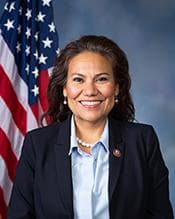
Veronica Escobar
Democratic Representative
Texas
Homeland Security Committee, Ways and Means Committee, Border Security and Enforcement Subcommittee, Judiciary Committee
- Introduced
- In Committee
- On Floor
- Passed Chamber
- Enacted
This legislation seeks to significantly enhance transparency, accountability, and community engagement within the Department of Homeland Security's border security operations. It proposes the creation of a new, independent Department of Homeland Security Border Oversight Commission , comprising 30 members with diverse expertise and regional representation from both northern and southern border communities. This Commission will be tasked with developing recommendations for improving border enforcement policies, evaluating their impact on border communities, and assessing training programs for U.S. Customs and Border Protection (CBP) and U.S. Immigration and Customs Enforcement (ICE) agents. A key provision of the bill is the establishment of an Ombudsman for Border and Immigration-Related Concerns within DHS, reporting directly to the Secretary. This Ombudsman will provide an independent and neutral process for receiving, investigating, and resolving complaints from individuals and organizations regarding DHS border and immigration activities. The office will also conduct inspections of facilities, assist vulnerable individuals, and propose administrative practice changes to mitigate identified problems, ensuring a standardized and publicly accessible complaint process. The bill mandates comprehensive training and continuing education for all CBP and ICE agents and officers. This includes extensive initial training, annual continuing education, and specialized instruction for supervisors. The curriculum will cover critical areas such as: Community relations , including best practices in policing and grievance referral. Interdiction , focusing on appropriate use of force, de-escalation tactics, and non-lethal force certification. Vulnerable populations , with instruction on identifying and responding to children, victims of trafficking, and trauma survivors. Cultural and societal issues , promoting understanding of diverse immigrant communities and asylum law ethics. Standards of professional conduct , emphasizing civil rights, ethical behavior, and non-racially biased questioning. To improve accountability, the legislation requires enhanced data collection on border enforcement activities . Law enforcement officials conducting patrol stops or detentions must record details such as date, time, location, perceived demographics, items seized, and outcomes. CBP is also mandated to collect data on checkpoints, and this compiled information will be used for policy decisions and made publicly available through annual reports to Congress. Furthermore, the bill addresses the management of ports of entry, requiring the DHS Secretary to assess staffing, technology, and operational guidelines, with a focus on facilitating trade and protecting civil rights. Based on this assessment, updated standards will be established, including increased staffing and improved access for vulnerable populations. The legislation also includes several reporting requirements from CBP, ICE, and the Government Accountability Office (GAO) on topics such as migrant deaths, use of force policies, body-worn camera implementation, and the impact of border technologies on communities. Crucially, the bill includes a direct prohibition on the separation of children from their parents or legal guardians solely for immigration deterrence or enforcement purposes. Exceptions are narrowly defined, requiring a determination by a State court or child welfare agency that removal is in the child's best interest due to abuse, neglect, or danger. Any such separation must be independently reviewed by a qualified child welfare expert within 48 hours, and unlawful separations can lead to a cause of action for injunctive relief and a financial penalty.
View Full TextSuggested Questions
Get AI-generated questions to help you understand this bill better
Timeline
Introduced in House
Referred to the Subcommittee on Border Security and Enforcement.
Referred to the Committee on Homeland Security, and in addition to the Committees on Ways and Means, and the Judiciary, for a period to be subsequently determined by the Speaker, in each case for consideration of such provisions as fall within the jurisdiction of the committee concerned.
Immigration
Homeland Security Improvement Act
USA119th CongressHR-1678| House
| Updated: 2/27/2025
This legislation seeks to significantly enhance transparency, accountability, and community engagement within the Department of Homeland Security's border security operations. It proposes the creation of a new, independent Department of Homeland Security Border Oversight Commission , comprising 30 members with diverse expertise and regional representation from both northern and southern border communities. This Commission will be tasked with developing recommendations for improving border enforcement policies, evaluating their impact on border communities, and assessing training programs for U.S. Customs and Border Protection (CBP) and U.S. Immigration and Customs Enforcement (ICE) agents. A key provision of the bill is the establishment of an Ombudsman for Border and Immigration-Related Concerns within DHS, reporting directly to the Secretary. This Ombudsman will provide an independent and neutral process for receiving, investigating, and resolving complaints from individuals and organizations regarding DHS border and immigration activities. The office will also conduct inspections of facilities, assist vulnerable individuals, and propose administrative practice changes to mitigate identified problems, ensuring a standardized and publicly accessible complaint process. The bill mandates comprehensive training and continuing education for all CBP and ICE agents and officers. This includes extensive initial training, annual continuing education, and specialized instruction for supervisors. The curriculum will cover critical areas such as: Community relations , including best practices in policing and grievance referral. Interdiction , focusing on appropriate use of force, de-escalation tactics, and non-lethal force certification. Vulnerable populations , with instruction on identifying and responding to children, victims of trafficking, and trauma survivors. Cultural and societal issues , promoting understanding of diverse immigrant communities and asylum law ethics. Standards of professional conduct , emphasizing civil rights, ethical behavior, and non-racially biased questioning. To improve accountability, the legislation requires enhanced data collection on border enforcement activities . Law enforcement officials conducting patrol stops or detentions must record details such as date, time, location, perceived demographics, items seized, and outcomes. CBP is also mandated to collect data on checkpoints, and this compiled information will be used for policy decisions and made publicly available through annual reports to Congress. Furthermore, the bill addresses the management of ports of entry, requiring the DHS Secretary to assess staffing, technology, and operational guidelines, with a focus on facilitating trade and protecting civil rights. Based on this assessment, updated standards will be established, including increased staffing and improved access for vulnerable populations. The legislation also includes several reporting requirements from CBP, ICE, and the Government Accountability Office (GAO) on topics such as migrant deaths, use of force policies, body-worn camera implementation, and the impact of border technologies on communities. Crucially, the bill includes a direct prohibition on the separation of children from their parents or legal guardians solely for immigration deterrence or enforcement purposes. Exceptions are narrowly defined, requiring a determination by a State court or child welfare agency that removal is in the child's best interest due to abuse, neglect, or danger. Any such separation must be independently reviewed by a qualified child welfare expert within 48 hours, and unlawful separations can lead to a cause of action for injunctive relief and a financial penalty.
View Full TextSuggested Questions
Get AI-generated questions to help you understand this bill better
Timeline
Introduced in House
Referred to the Subcommittee on Border Security and Enforcement.
Referred to the Committee on Homeland Security, and in addition to the Committees on Ways and Means, and the Judiciary, for a period to be subsequently determined by the Speaker, in each case for consideration of such provisions as fall within the jurisdiction of the committee concerned.
Veronica Escobar
Democratic Representative
Texas
Homeland Security Committee, Ways and Means Committee, Border Security and Enforcement Subcommittee, Judiciary Committee
Immigration
Related Bills
- Introduced
- In Committee
- On Floor
- Passed Chamber
- Enacted