WARN Act
USA119th CongressHR-1076| House
| Updated: 2/6/2025
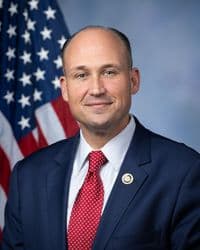
Nicholas A. Langworthy
Republican Representative
New York
Cosponsors (41)
Dwight Evans (Democratic)Kim Schrier (Democratic)April McClain Delaney (Democratic)Chris Pappas (Democratic)Shomari Figures (Democratic)Ashley Hinson (Republican)Kimberlyn King-Hinds (Republican)Gregory F. Murphy (Republican)Greg Landsman (Democratic)Laura Gillen (Democratic)Kristen McDonald Rivet (Democratic)Troy A. Carter (Democratic)Derek Schmidt (Republican)Eugene Simon Vindman (Democratic)Debbie Dingell (Democratic)Janelle S. Bynum (Democratic)Thomas R. Suozzi (Democratic)Anna Paulina Luna (Republican)Daniel Meuser (Republican)André Carson (Democratic)Mike D. Rogers (Republican)Hillary J. Scholten (Democratic)Josh Harder (Democratic)Eleanor Holmes Norton (Democratic)Sharice Davids (Democratic)Norma J. Torres (Democratic)Salud O. Carbajal (Democratic)Josh Riley (Democratic)Joe Neguse (Democratic)James C. Moylan (Republican)Maggie Goodlander (Democratic)Bennie G. Thompson (Democratic)Randy K. Sr. Weber (Republican)Jared Moskowitz (Democratic)Josh Gottheimer (Democratic)Nanette Diaz Barragán (Democratic)Michael Lawler (Republican)Kevin Mullin (Democratic)Harold Rogers (Republican)Rashida Tlaib (Democratic)Tracey Mann (Republican)
Transportation and Infrastructure Committee, Economic Development, Public Buildings, and Emergency Management Subcommittee
- Introduced
- In Committee
- On Floor
- Passed Chamber
- Enacted
The Weather Alert Response and Notification Act, or WARN Act , mandates that the Comptroller General of the United States conduct a comprehensive study on the effectiveness of emergency alerting systems. This study will examine local, State, territory, and Federal systems to determine how well they disseminate timely and relevant information during weather-related emergencies to enhance public safety. The Comptroller General is specifically tasked with evaluating the efficacy of various alert mediums, including platforms like social media, for communicating critical information such as travel bans and mass power outages during extreme weather events. The study will also assess existing guidance and training for developing clear, relevant, and actionable alert content. Furthermore, it will determine potential improvements to public alerting, including outdoor siren systems, based on input from emergency managers, local officials, and community groups. A detailed report on these findings must be submitted to relevant congressional committees within 18 months of the Act's enactment.
View Full TextSuggested Questions
Get AI-generated questions to help you understand this bill better
Timeline
Introduced in House
Referred to the Subcommittee on Economic Development, Public Buildings, and Emergency Management.
Referred to the House Committee on Transportation and Infrastructure.
Emergency Management
WARN Act
USA119th CongressHR-1076| House
| Updated: 2/6/2025
The Weather Alert Response and Notification Act, or WARN Act , mandates that the Comptroller General of the United States conduct a comprehensive study on the effectiveness of emergency alerting systems. This study will examine local, State, territory, and Federal systems to determine how well they disseminate timely and relevant information during weather-related emergencies to enhance public safety. The Comptroller General is specifically tasked with evaluating the efficacy of various alert mediums, including platforms like social media, for communicating critical information such as travel bans and mass power outages during extreme weather events. The study will also assess existing guidance and training for developing clear, relevant, and actionable alert content. Furthermore, it will determine potential improvements to public alerting, including outdoor siren systems, based on input from emergency managers, local officials, and community groups. A detailed report on these findings must be submitted to relevant congressional committees within 18 months of the Act's enactment.
View Full TextSuggested Questions
Get AI-generated questions to help you understand this bill better
Timeline
Introduced in House
Referred to the Subcommittee on Economic Development, Public Buildings, and Emergency Management.
Referred to the House Committee on Transportation and Infrastructure.
Nicholas A. Langworthy
Republican Representative
New York
Cosponsors (41)
Dwight Evans (Democratic)Kim Schrier (Democratic)April McClain Delaney (Democratic)Chris Pappas (Democratic)Shomari Figures (Democratic)Ashley Hinson (Republican)Kimberlyn King-Hinds (Republican)Gregory F. Murphy (Republican)Greg Landsman (Democratic)Laura Gillen (Democratic)Kristen McDonald Rivet (Democratic)Troy A. Carter (Democratic)Derek Schmidt (Republican)Eugene Simon Vindman (Democratic)Debbie Dingell (Democratic)Janelle S. Bynum (Democratic)Thomas R. Suozzi (Democratic)Anna Paulina Luna (Republican)Daniel Meuser (Republican)André Carson (Democratic)Mike D. Rogers (Republican)Hillary J. Scholten (Democratic)Josh Harder (Democratic)Eleanor Holmes Norton (Democratic)Sharice Davids (Democratic)Norma J. Torres (Democratic)Salud O. Carbajal (Democratic)Josh Riley (Democratic)Joe Neguse (Democratic)James C. Moylan (Republican)Maggie Goodlander (Democratic)Bennie G. Thompson (Democratic)Randy K. Sr. Weber (Republican)Jared Moskowitz (Democratic)Josh Gottheimer (Democratic)Nanette Diaz Barragán (Democratic)Michael Lawler (Republican)Kevin Mullin (Democratic)Harold Rogers (Republican)Rashida Tlaib (Democratic)Tracey Mann (Republican)
Transportation and Infrastructure Committee, Economic Development, Public Buildings, and Emergency Management Subcommittee
Emergency Management
Related Bills
- Introduced
- In Committee
- On Floor
- Passed Chamber
- Enacted