WARN Act
USA118th CongressHR-2892| House
| Updated: 12/10/2024
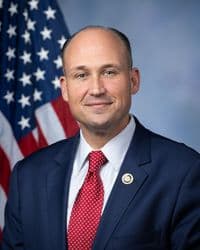
Nicholas A. Langworthy
Republican Representative
New York
Cosponsors (23)
Jonathan L. Jackson (Democratic)Chris Pappas (Democratic)Abigail Davis Spanberger (Democratic)David J. Trone (Democratic)Brian Higgins (Democratic)John S. Duarte (Republican)Derek Kilmer (Democratic)Mariannette Miller-Meeks (Republican)Troy A. Carter (Democratic)Debbie Dingell (Democratic)Anna Paulina Luna (Republican)Jill N. Tokuda (Democratic)Joseph D. Morelle (Democratic)Mike D. Rogers (Republican)Josh Harder (Democratic)Eleanor Holmes Norton (Democratic)Russell Fry (Republican)James C. Moylan (Republican)Randy K. Sr. Weber (Republican)Jared Moskowitz (Democratic)Josh Gottheimer (Democratic)Michael Lawler (Republican)Jenniffer González-Colón (Republican)
Transportation and Infrastructure Committee, Homeland Security and Governmental Affairs Committee, Economic Development, Public Buildings, and Emergency Management Subcommittee
- Introduced
- In Committee
- On Floor
- Passed Chamber
- Enacted
Weather Alert Response and Notification Act or the WARN Act This bill directs the Government Accountability Office (GAO) to study the effectiveness of local, state, and federal alerting systems in disseminating timely and relevant information during weather-related emergencies. In conducting the study, the GAO must (1) evaluate the efficacy of various alert mediums, including platforms such as social media; (2) assess the guidance and training for developing alert content; and (3) determine whether improvements could be made to public alerting based on input from a sample of emergency managers, local officials, and community groups.
Suggested Questions
Get AI-generated questions to help you understand this bill better
Timeline
Introduced in House
Referred to the House Committee on Transportation and Infrastructure.
Referred to the Subcommittee on Economic Development, Public Buildings, and Emergency Management.
Ordered to be Reported in the Nature of a Substitute by Voice Vote.
Committee Consideration and Mark-up Session Held
Subcommittee on Economic Development, Public Buildings, and Emergency Management Discharged
Placed on the Union Calendar, Calendar No. 666.
Reported (Amended) by the Committee on Transportation and Infrastructure. H. Rept. 118-814.
Mr. Graves (LA) moved to suspend the rules and pass the bill, as amended.
Considered under suspension of the rules. (consideration: CR H6531-6532)
DEBATE - The House proceeded with forty minutes of debate on H.R. 2892.
Passed/agreed to in House: On motion to suspend the rules and pass the bill, as amended Agreed to by voice vote. (text: CR H6531-6532)
On motion to suspend the rules and pass the bill, as amended Agreed to by voice vote. (text: CR H6531-6532)
Motion to reconsider laid on the table Agreed to without objection.
The title of the measure was amended. Agreed to without objection.
Received in the Senate and Read twice and referred to the Committee on Homeland Security and Governmental Affairs.
Emergency Management
Congressional oversightEmergency communications systemsGovernment Accountability Office (GAO)Government information and archivesGovernment studies and investigations
WARN Act
USA118th CongressHR-2892| House
| Updated: 12/10/2024
Weather Alert Response and Notification Act or the WARN Act This bill directs the Government Accountability Office (GAO) to study the effectiveness of local, state, and federal alerting systems in disseminating timely and relevant information during weather-related emergencies. In conducting the study, the GAO must (1) evaluate the efficacy of various alert mediums, including platforms such as social media; (2) assess the guidance and training for developing alert content; and (3) determine whether improvements could be made to public alerting based on input from a sample of emergency managers, local officials, and community groups.
Suggested Questions
Get AI-generated questions to help you understand this bill better
Timeline
Introduced in House
Referred to the House Committee on Transportation and Infrastructure.
Referred to the Subcommittee on Economic Development, Public Buildings, and Emergency Management.
Ordered to be Reported in the Nature of a Substitute by Voice Vote.
Committee Consideration and Mark-up Session Held
Subcommittee on Economic Development, Public Buildings, and Emergency Management Discharged
Placed on the Union Calendar, Calendar No. 666.
Reported (Amended) by the Committee on Transportation and Infrastructure. H. Rept. 118-814.
Mr. Graves (LA) moved to suspend the rules and pass the bill, as amended.
Considered under suspension of the rules. (consideration: CR H6531-6532)
DEBATE - The House proceeded with forty minutes of debate on H.R. 2892.
Passed/agreed to in House: On motion to suspend the rules and pass the bill, as amended Agreed to by voice vote. (text: CR H6531-6532)
On motion to suspend the rules and pass the bill, as amended Agreed to by voice vote. (text: CR H6531-6532)
Motion to reconsider laid on the table Agreed to without objection.
The title of the measure was amended. Agreed to without objection.
Received in the Senate and Read twice and referred to the Committee on Homeland Security and Governmental Affairs.
Nicholas A. Langworthy
Republican Representative
New York
Cosponsors (23)
Jonathan L. Jackson (Democratic)Chris Pappas (Democratic)Abigail Davis Spanberger (Democratic)David J. Trone (Democratic)Brian Higgins (Democratic)John S. Duarte (Republican)Derek Kilmer (Democratic)Mariannette Miller-Meeks (Republican)Troy A. Carter (Democratic)Debbie Dingell (Democratic)Anna Paulina Luna (Republican)Jill N. Tokuda (Democratic)Joseph D. Morelle (Democratic)Mike D. Rogers (Republican)Josh Harder (Democratic)Eleanor Holmes Norton (Democratic)Russell Fry (Republican)James C. Moylan (Republican)Randy K. Sr. Weber (Republican)Jared Moskowitz (Democratic)Josh Gottheimer (Democratic)Michael Lawler (Republican)Jenniffer González-Colón (Republican)
Transportation and Infrastructure Committee, Homeland Security and Governmental Affairs Committee, Economic Development, Public Buildings, and Emergency Management Subcommittee
Emergency Management
- Introduced
- In Committee
- On Floor
- Passed Chamber
- Enacted
Congressional oversightEmergency communications systemsGovernment Accountability Office (GAO)Government information and archivesGovernment studies and investigations