CARA 3.0 Act of 2021
USA117th CongressS-987| Senate
| Updated: 3/25/2021
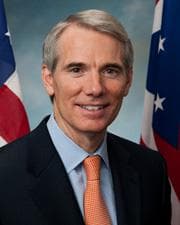
Rob Portman
Republican Senator
Ohio
Cosponsors (5)
Health, Education, Labor, and Pensions Committee
- Introduced
- In Committee
- On Floor
- Passed Chamber
- Enacted
CARA 3.0 Act of 2021 This bill addresses substance use disorders by expanding access to treatment and recovery services, providing for housing protections, and requiring other activities. Specifically, the bill reauthorizes, establishes, and expands support for treatment and recovery services. This includes increasing access to treatment in the criminal justice system and other settings and for particular populations, such as pregnant and postpartum individuals and youth and young adults. Additionally, the bill expands Medicare and Medicaid coverage for treatment, including by expanding telehealth access to medication to treat substance use disorders. The bill also temporarily requires that non-opioid pain treatment options be reimbursed separately, instead of on a packaged basis, under Medicare. As a condition of receiving certain federal funding, states must mandate the use of prescription drug monitoring programs (PDMPs) by prescribers and dispensers and impose additional PDMP requirements. Moreover, prescribers of potentially addictive drugs must complete continuing education requirements. The bill also revises the registration process for providers who prescribe certain medications to treat substance use disorders, including by eliminating the provider's patient limit for such medications. In addition, the Substance Abuse and Mental Health Services Administration must carry out activities to promote access to high-quality recovery housing. The bill also sets out protections for individuals with substance use disorders who live in, or apply to live in, federally assisted housing. Furthermore, the bill requires other activities to address substance use, such as support for workforce education and training; public awareness campaigns and similar outreach; and research on prevention strategies, insurance coverage, and treatment modalities.
View Full TextSuggested Questions
Get AI-generated questions to help you understand this bill better
Timeline
Introduced in Senate
Read twice and referred to the Committee on Health, Education, Labor, and Pensions.
Latest Companion Bill Action
HR 117-4341Referred to the Subcommittee on Crime, Terrorism, and Homeland Security.
Health
Advisory bodiesChild healthChild safety and welfareCommunity life and organizationCongressional oversightCorrectional facilities and imprisonmentCrime preventionCriminal investigation, prosecution, interrogationCriminal justice information and recordsDepartment of Health and Human ServicesDetention of personsDrug, alcohol, tobacco useDrug safety, medical device, and laboratory regulationDrug therapyDrug trafficking and controlled substancesEconomic developmentEducation programs fundingElementary and secondary educationEmergency medical services and trauma careEmployment and training programsExecutive agency funding and structureGovernment information and archivesGovernment lending and loan guaranteesGovernment studies and investigationsHealth care costs and insuranceHealth care coverage and accessHealth care qualityHealth facilities and institutionsHealth information and medical recordsHealth personnelHealth programs administration and fundingHealth promotion and preventive careHealth technology, devices, suppliesHigher educationHome and outpatient careHospital careIntergovernmental relationsInternet and video servicesInternet, web applications, social mediaJuvenile crime and gang violenceLaw enforcement administration and fundingLicensing and registrationsLong-term, rehabilitative, and terminal careMedicaidMedical educationMedical ethicsMedical researchMedical tests and diagnostic methodsMedicareMental healthPerformance measurementPoverty and welfare assistancePrescription drugsPublic housingRural conditions and developmentSocial work, volunteer service, charitable organizationsSpecialized courtsState and local government operationsSurgery and anesthesiaTelephone and wireless communicationVeterans' education, employment, rehabilitationVeterans' medical careWomen's healthWorker safety and health
CARA 3.0 Act of 2021
USA117th CongressS-987| Senate
| Updated: 3/25/2021
CARA 3.0 Act of 2021 This bill addresses substance use disorders by expanding access to treatment and recovery services, providing for housing protections, and requiring other activities. Specifically, the bill reauthorizes, establishes, and expands support for treatment and recovery services. This includes increasing access to treatment in the criminal justice system and other settings and for particular populations, such as pregnant and postpartum individuals and youth and young adults. Additionally, the bill expands Medicare and Medicaid coverage for treatment, including by expanding telehealth access to medication to treat substance use disorders. The bill also temporarily requires that non-opioid pain treatment options be reimbursed separately, instead of on a packaged basis, under Medicare. As a condition of receiving certain federal funding, states must mandate the use of prescription drug monitoring programs (PDMPs) by prescribers and dispensers and impose additional PDMP requirements. Moreover, prescribers of potentially addictive drugs must complete continuing education requirements. The bill also revises the registration process for providers who prescribe certain medications to treat substance use disorders, including by eliminating the provider's patient limit for such medications. In addition, the Substance Abuse and Mental Health Services Administration must carry out activities to promote access to high-quality recovery housing. The bill also sets out protections for individuals with substance use disorders who live in, or apply to live in, federally assisted housing. Furthermore, the bill requires other activities to address substance use, such as support for workforce education and training; public awareness campaigns and similar outreach; and research on prevention strategies, insurance coverage, and treatment modalities.
View Full TextSuggested Questions
Get AI-generated questions to help you understand this bill better
Timeline
Introduced in Senate
Read twice and referred to the Committee on Health, Education, Labor, and Pensions.
Latest Companion Bill Action
HR 117-4341Referred to the Subcommittee on Crime, Terrorism, and Homeland Security.
Rob Portman
Republican Senator
Ohio
Cosponsors (5)
Health, Education, Labor, and Pensions Committee
Health
Related Bills
- Introduced
- In Committee
- On Floor
- Passed Chamber
- Enacted
Advisory bodiesChild healthChild safety and welfareCommunity life and organizationCongressional oversightCorrectional facilities and imprisonmentCrime preventionCriminal investigation, prosecution, interrogationCriminal justice information and recordsDepartment of Health and Human ServicesDetention of personsDrug, alcohol, tobacco useDrug safety, medical device, and laboratory regulationDrug therapyDrug trafficking and controlled substancesEconomic developmentEducation programs fundingElementary and secondary educationEmergency medical services and trauma careEmployment and training programsExecutive agency funding and structureGovernment information and archivesGovernment lending and loan guaranteesGovernment studies and investigationsHealth care costs and insuranceHealth care coverage and accessHealth care qualityHealth facilities and institutionsHealth information and medical recordsHealth personnelHealth programs administration and fundingHealth promotion and preventive careHealth technology, devices, suppliesHigher educationHome and outpatient careHospital careIntergovernmental relationsInternet and video servicesInternet, web applications, social mediaJuvenile crime and gang violenceLaw enforcement administration and fundingLicensing and registrationsLong-term, rehabilitative, and terminal careMedicaidMedical educationMedical ethicsMedical researchMedical tests and diagnostic methodsMedicareMental healthPerformance measurementPoverty and welfare assistancePrescription drugsPublic housingRural conditions and developmentSocial work, volunteer service, charitable organizationsSpecialized courtsState and local government operationsSurgery and anesthesiaTelephone and wireless communicationVeterans' education, employment, rehabilitationVeterans' medical careWomen's healthWorker safety and health