COVID–19 RELIEF for Small Businesses Act of 2020
USA116th CongressS-3554| Senate
| Updated: 3/20/2020
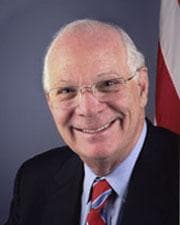
Benjamin L. Cardin
Democratic Senator
Maryland
Cosponsors (9)
Small Business and Entrepreneurship Committee
- Introduced
- In Committee
- On Floor
- Passed Chamber
- Enacted
COVID-19 Recovery by Enhancing Loan, Investment, and Education Funds for Small Businesses Act of 2020 or the COVID-19 RELIEF for Small Businesses Act of 2020 This bill establishes measures to provide assistance to small businesses impacted by COVID-19 (i.e., coronavirus disease 2019). Specifically, the Small Business Administration (SBA) must (1) provide economic injury grants for certain small businesses that have suffered substantial economic injury resulting from COVID-19; (2) establish a program to make direct loans to small businesses, up to 50% of which may be forgiven; and (3) pay the principal, interest, and associated fees on certain SBA loans, including microloans, for a six-month period. The bill also temporarily increases guarantee amounts and loan sizes for certain SBA loans, temporarily waives or reduces certain fees on SBA loans, and permanently waives the guarantee fee on SBA loans for veterans; revises the Microloan Program to increase available funds, extend repayment terms, and waive certain requirements for technical assistance grants; provides additional funding for small business economic development programs; revises and makes permanent the SBA's Intermediary Lending Program, the Community Advantage Loan Program, the Small Business Innovation Research Program, and the Small Business Technology Transfer Program; establishes the Innovation Centers Program whereby the SBA shall enter into cooperative agreements with certain entities to spur innovation and economic growth in underserved and rural communities; and establishes the Office of Emerging Markets to oversee the planning, coordination, and implementation of SBA efforts to enhance the economic well-being of small businesses in emerging markets. The federal government must grant certain flexibilities (e.g., additional performance time) to small business federal contractors and expedite the contract award process.
View Full TextSuggested Questions
Get AI-generated questions to help you understand this bill better
Timeline
Introduced in Senate
Read twice and referred to the Committee on Small Business and Entrepreneurship.
Commerce
Accounting and auditingAdministrative law and regulatory proceduresAdvanced technology and technological innovationsAgricultural marketing and promotionAppropriationsBank accounts, deposits, capitalBusiness educationBusiness investment and capitalBuy American requirementsCardiovascular and respiratory healthCommutingCompetitiveness, trade promotion, trade deficitsComputers and information technologyCongressional oversightDisability and paralysisDisaster relief and insuranceEconomic developmentEconomic performance and conditionsEmergency medical services and trauma careEmployee benefits and pensionsEmployee hiringEmployee leaveEmployment taxesExecutive agency funding and structureFederal officialsGovernment employee pay, benefits, personnel managementGovernment information and archivesGovernment lending and loan guaranteesGovernment studies and investigationsIndustrial facilitiesInfectious and parasitic diseasesInterest, dividends, interest ratesManufacturingMilitary personnel and dependentsMinority and disadvantaged businessesNational Guard and reservesPublic contracts and procurementResearch and developmentRight of privacyRural conditions and developmentSales and excise taxesSmall businessSmall Business AdministrationSocial work, volunteer service, charitable organizationsState and local government operationsState and local taxationTax administration and collection, taxpayersTechnology transfer and commercializationUser charges and feesVeterans' education, employment, rehabilitationVeterans' loans, housing, homeless programsWages and earningsWomen in business
COVID–19 RELIEF for Small Businesses Act of 2020
USA116th CongressS-3554| Senate
| Updated: 3/20/2020
COVID-19 Recovery by Enhancing Loan, Investment, and Education Funds for Small Businesses Act of 2020 or the COVID-19 RELIEF for Small Businesses Act of 2020 This bill establishes measures to provide assistance to small businesses impacted by COVID-19 (i.e., coronavirus disease 2019). Specifically, the Small Business Administration (SBA) must (1) provide economic injury grants for certain small businesses that have suffered substantial economic injury resulting from COVID-19; (2) establish a program to make direct loans to small businesses, up to 50% of which may be forgiven; and (3) pay the principal, interest, and associated fees on certain SBA loans, including microloans, for a six-month period. The bill also temporarily increases guarantee amounts and loan sizes for certain SBA loans, temporarily waives or reduces certain fees on SBA loans, and permanently waives the guarantee fee on SBA loans for veterans; revises the Microloan Program to increase available funds, extend repayment terms, and waive certain requirements for technical assistance grants; provides additional funding for small business economic development programs; revises and makes permanent the SBA's Intermediary Lending Program, the Community Advantage Loan Program, the Small Business Innovation Research Program, and the Small Business Technology Transfer Program; establishes the Innovation Centers Program whereby the SBA shall enter into cooperative agreements with certain entities to spur innovation and economic growth in underserved and rural communities; and establishes the Office of Emerging Markets to oversee the planning, coordination, and implementation of SBA efforts to enhance the economic well-being of small businesses in emerging markets. The federal government must grant certain flexibilities (e.g., additional performance time) to small business federal contractors and expedite the contract award process.
View Full TextSuggested Questions
Get AI-generated questions to help you understand this bill better
Timeline
Introduced in Senate
Read twice and referred to the Committee on Small Business and Entrepreneurship.
Benjamin L. Cardin
Democratic Senator
Maryland
Cosponsors (9)
Small Business and Entrepreneurship Committee
Commerce
Related Bills
- HR 116-7773: Unlocking Opportunities in Emerging Markets Act of 2020
- S 116-2360: Unlocking Opportunities in Emerging Markets Act of 2019
- HR 116-6303: Increasing Access to Capital Act of 2020
- S 116-2717: UPLIFT Act of 2019
- S 116-3518: COVID–19 Recovery Grants for Small Businesses Act
- HR 116-6291: Microloan Emergency Assistance Act of 2020
- HR 116-6307: Easing Disruption for America’s Small Contractor Act of 2020
- HR 116-6320: Small Contractor Stability Act of 2020
- Introduced
- In Committee
- On Floor
- Passed Chamber
- Enacted
Accounting and auditingAdministrative law and regulatory proceduresAdvanced technology and technological innovationsAgricultural marketing and promotionAppropriationsBank accounts, deposits, capitalBusiness educationBusiness investment and capitalBuy American requirementsCardiovascular and respiratory healthCommutingCompetitiveness, trade promotion, trade deficitsComputers and information technologyCongressional oversightDisability and paralysisDisaster relief and insuranceEconomic developmentEconomic performance and conditionsEmergency medical services and trauma careEmployee benefits and pensionsEmployee hiringEmployee leaveEmployment taxesExecutive agency funding and structureFederal officialsGovernment employee pay, benefits, personnel managementGovernment information and archivesGovernment lending and loan guaranteesGovernment studies and investigationsIndustrial facilitiesInfectious and parasitic diseasesInterest, dividends, interest ratesManufacturingMilitary personnel and dependentsMinority and disadvantaged businessesNational Guard and reservesPublic contracts and procurementResearch and developmentRight of privacyRural conditions and developmentSales and excise taxesSmall businessSmall Business AdministrationSocial work, volunteer service, charitable organizationsState and local government operationsState and local taxationTax administration and collection, taxpayersTechnology transfer and commercializationUser charges and feesVeterans' education, employment, rehabilitationVeterans' loans, housing, homeless programsWages and earningsWomen in business