COVID–19 Relief for Small Businesses Act of 2020
USA116th CongressHR-6312| House
| Updated: 3/19/2020
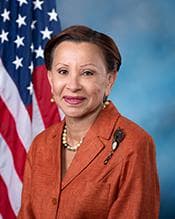
Nydia M. Velázquez
Democratic Representative
New York
Cosponsors (2)
Small Business Committee
- Introduced
- In Committee
- On Floor
- Passed Chamber
- Enacted
COVID-19 Relief for Small Businesses Act of 2020 This bill establishes measures to support small businesses impacted by COVID-19 (i.e., coronavirus disease 2019). Specifically, the SBA must temporarily make or guarantee loans for specified uses to small businesses in a state or territory with a case of COVID-19, up to 50% of which may be forgiven; pay the principal, interest, and associated fees owed on certain small business loans for a six-month period; provide grants to small businesses suffering substantial economic injury because of COVID-19; provide grants to small business development centers, women's business centers, and chapters of the Service Corps of Retired Executives for specified purposes; reimburse grant recipients under the State Trade Expansion Program for an amount of losses related to COVID-19; provide SBA resources and services in the 10 most commonly spoken languages, other than English, in the United States, including Mandarin, Cantonese, Japanese, and Korean. In addition, the SBA may make economic injury disaster loans to small businesses in response to COVID-19 and waive certain requirements on such loans. The bill also temporarily increases guarantee amounts and loan sizes for certain SBA loans, temporarily waives or reduces certain fees on SBA loans, and permanently waives the guarantee fee on SBA loans for veterans; revises the Microloan Program; provides additional leverage for small businesses affected by COVID-19; reestablishes the New Markets Venture Capital Program; and requires a federal agency to provide additional performance time to small business contractors and to pay such contractors regardless of delay due to COVID-19.
View Full TextSuggested Questions
Get AI-generated questions to help you understand this bill better
Timeline
Introduced in House
Referred to the House Committee on Small Business.
Commerce
Administrative law and regulatory proceduresAppropriationsBank accounts, deposits, capitalBanking and financial institutions regulationBusiness investment and capitalBusiness recordsCardiovascular and respiratory healthCommutingCompetitiveness, trade promotion, trade deficitsComputers and information technologyCongressional oversightCredit and credit marketsDisaster relief and insuranceEmergency medical services and trauma careEmployee benefits and pensionsEmployee hiringEmployee leaveEmployment taxesExecutive agency funding and structureFinancial crises and stabilizationForeign language and bilingual programsGovernment employee pay, benefits, personnel managementGovernment information and archivesGovernment lending and loan guaranteesHealth promotion and preventive careIndustrial facilitiesInfectious and parasitic diseasesInterest, dividends, interest ratesLife, casualty, property insuranceManufacturingMinority and disadvantaged businessesMuseums, exhibitions, cultural centersPublic contracts and procurementSales and excise taxesSelf-employedSmall businessSmall Business AdministrationState and local financeState and local taxationTax administration and collection, taxpayersUser charges and feesVeterans' education, employment, rehabilitationVeterans' loans, housing, homeless programsWages and earningsWomen in business
COVID–19 Relief for Small Businesses Act of 2020
USA116th CongressHR-6312| House
| Updated: 3/19/2020
COVID-19 Relief for Small Businesses Act of 2020 This bill establishes measures to support small businesses impacted by COVID-19 (i.e., coronavirus disease 2019). Specifically, the SBA must temporarily make or guarantee loans for specified uses to small businesses in a state or territory with a case of COVID-19, up to 50% of which may be forgiven; pay the principal, interest, and associated fees owed on certain small business loans for a six-month period; provide grants to small businesses suffering substantial economic injury because of COVID-19; provide grants to small business development centers, women's business centers, and chapters of the Service Corps of Retired Executives for specified purposes; reimburse grant recipients under the State Trade Expansion Program for an amount of losses related to COVID-19; provide SBA resources and services in the 10 most commonly spoken languages, other than English, in the United States, including Mandarin, Cantonese, Japanese, and Korean. In addition, the SBA may make economic injury disaster loans to small businesses in response to COVID-19 and waive certain requirements on such loans. The bill also temporarily increases guarantee amounts and loan sizes for certain SBA loans, temporarily waives or reduces certain fees on SBA loans, and permanently waives the guarantee fee on SBA loans for veterans; revises the Microloan Program; provides additional leverage for small businesses affected by COVID-19; reestablishes the New Markets Venture Capital Program; and requires a federal agency to provide additional performance time to small business contractors and to pay such contractors regardless of delay due to COVID-19.
View Full TextSuggested Questions
Get AI-generated questions to help you understand this bill better
Timeline
Introduced in House
Referred to the House Committee on Small Business.
Nydia M. Velázquez
Democratic Representative
New York
Cosponsors (2)
Small Business Committee
Commerce
Related Bills
- HR 116-6268: SBA Business Stabilization Direct Loan Program Act of 2020
- HR 116-6341: Small Business Relief Guaranteed Loan Program Act of 2020
- HR 116-6303: Increasing Access to Capital Act of 2020
- HR 116-6344: Expediting the EIDL Program Act of 2020
- HR 116-6345: STEP Reimbursement Act of 2020
- HR 116-6304: Small Business Repayment Relief Act of 2020
- HR 116-6291: Microloan Emergency Assistance Act of 2020
- S 116-3519: A bill to authorize the Administrator of the Small Business Administration to subsidize payments on loans guaranteed under the 7(a) and 504 loan programs or made using funds under the microloan program, and for other purposes.
- HR 116-6307: Easing Disruption for America’s Small Contractor Act of 2020
- HR 116-6342: SBIC Capital Infusion Act of 2020
- Introduced
- In Committee
- On Floor
- Passed Chamber
- Enacted
Administrative law and regulatory proceduresAppropriationsBank accounts, deposits, capitalBanking and financial institutions regulationBusiness investment and capitalBusiness recordsCardiovascular and respiratory healthCommutingCompetitiveness, trade promotion, trade deficitsComputers and information technologyCongressional oversightCredit and credit marketsDisaster relief and insuranceEmergency medical services and trauma careEmployee benefits and pensionsEmployee hiringEmployee leaveEmployment taxesExecutive agency funding and structureFinancial crises and stabilizationForeign language and bilingual programsGovernment employee pay, benefits, personnel managementGovernment information and archivesGovernment lending and loan guaranteesHealth promotion and preventive careIndustrial facilitiesInfectious and parasitic diseasesInterest, dividends, interest ratesLife, casualty, property insuranceManufacturingMinority and disadvantaged businessesMuseums, exhibitions, cultural centersPublic contracts and procurementSales and excise taxesSelf-employedSmall businessSmall Business AdministrationState and local financeState and local taxationTax administration and collection, taxpayersUser charges and feesVeterans' education, employment, rehabilitationVeterans' loans, housing, homeless programsWages and earningsWomen in business