Recognizing the significance of the Greensboro Four sit-in.
USA116th CongressHRES-816| House
| Updated: 2/7/2020
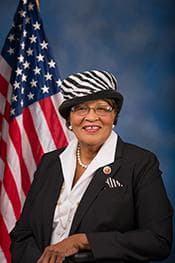
Alma S. Adams
Democratic Representative
North Carolina
Cosponsors (1)
Judiciary Committee, Constitution and Limited Government Subcommittee, Education and Workforce Committee
- Introduced
- In Committee
- On Floor
- Passed Chamber
- Enacted
This resolution recognizes the contribution of the Greensboro Four to the civil rights movement and the significant role they played as a catalyst for the mobilization of college students coalescing in the formation of the Student Non-Violent Coordinating Committee. The resolution (1) recognizes that ethnic and racial diversity of the United States enriches and strengthens the nation, and (2) encourages states to include the history and contributions of the Greensboro Four in their educational curricula.
View Full TextSuggested Questions
Get AI-generated questions to help you understand this bill better
Timeline
Introduced in House
Referred to the Committee on Education and Labor, and in addition to the Committee on the Judiciary, for a period to be subsequently determined by the Speaker, in each case for consideration of such provisions as fall within the jurisdiction of the committee concerned.
Sponsor introductory remarks on measure. (CR H579)
Referred to the Subcommittee on the Constitution, Civil Rights, and Civil Liberties.
Civil Rights and Liberties, Minority Issues
Congressional tributesElementary and secondary educationHigher educationNorth CarolinaProtest and dissentRacial and ethnic relationsTeaching, teachers, curriculaU.S. history
Recognizing the significance of the Greensboro Four sit-in.
USA116th CongressHRES-816| House
| Updated: 2/7/2020
This resolution recognizes the contribution of the Greensboro Four to the civil rights movement and the significant role they played as a catalyst for the mobilization of college students coalescing in the formation of the Student Non-Violent Coordinating Committee. The resolution (1) recognizes that ethnic and racial diversity of the United States enriches and strengthens the nation, and (2) encourages states to include the history and contributions of the Greensboro Four in their educational curricula.
View Full TextSuggested Questions
Get AI-generated questions to help you understand this bill better
Timeline
Introduced in House
Referred to the Committee on Education and Labor, and in addition to the Committee on the Judiciary, for a period to be subsequently determined by the Speaker, in each case for consideration of such provisions as fall within the jurisdiction of the committee concerned.
Sponsor introductory remarks on measure. (CR H579)
Referred to the Subcommittee on the Constitution, Civil Rights, and Civil Liberties.
Alma S. Adams
Democratic Representative
North Carolina
Cosponsors (1)
Judiciary Committee, Constitution and Limited Government Subcommittee, Education and Workforce Committee
Civil Rights and Liberties, Minority Issues
- Introduced
- In Committee
- On Floor
- Passed Chamber
- Enacted
Congressional tributesElementary and secondary educationHigher educationNorth CarolinaProtest and dissentRacial and ethnic relationsTeaching, teachers, curriculaU.S. history