To provide for a temporary debt collection moratorium during the COVID-19 emergency period, and for other purposes.
USA116th CongressHR-6423| House
| Updated: 3/31/2020
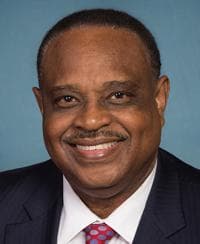
Al Lawson
Democratic Representative
Florida
Financial Services Committee
- Introduced
- In Committee
- On Floor
- Passed Chamber
- Enacted
This bill places restrictions on the collection of debt owed by a consumer, nonprofit organization, or small business during the COVID-19 (i.e., coronavirus disease 2019) emergency period and the following 120 days. Among other things, debt collectors may not during this period charge fees or apply a higher interest rate as a result of nonpayment, commence or continue litigation to collect a debt, enforce a security interest through a repossession or foreclosure, report past due debt to a credit reporting agency, seize assets, or terminate utility service. The bill also prohibits during this period a confession of judgment or similar agreement as a condition to a loan or extension of credit. (A confession of judgment is an agreement to a judgment of liability without notice and opportunity to be heard in court in the event of the default of a borrower.)
View Full TextSuggested Questions
Get AI-generated questions to help you understand this bill better
Timeline
Introduced in House
Referred to the House Committee on Financial Services.
Finance and Financial Sector
Cardiovascular and respiratory healthCivil actions and liabilityConsumer creditDebt collectionEmergency medical services and trauma careInfectious and parasitic diseasesInterest, dividends, interest ratesSmall businessSocial work, volunteer service, charitable organizations
To provide for a temporary debt collection moratorium during the COVID-19 emergency period, and for other purposes.
USA116th CongressHR-6423| House
| Updated: 3/31/2020
This bill places restrictions on the collection of debt owed by a consumer, nonprofit organization, or small business during the COVID-19 (i.e., coronavirus disease 2019) emergency period and the following 120 days. Among other things, debt collectors may not during this period charge fees or apply a higher interest rate as a result of nonpayment, commence or continue litigation to collect a debt, enforce a security interest through a repossession or foreclosure, report past due debt to a credit reporting agency, seize assets, or terminate utility service. The bill also prohibits during this period a confession of judgment or similar agreement as a condition to a loan or extension of credit. (A confession of judgment is an agreement to a judgment of liability without notice and opportunity to be heard in court in the event of the default of a borrower.)
View Full TextSuggested Questions
Get AI-generated questions to help you understand this bill better
Timeline
Introduced in House
Referred to the House Committee on Financial Services.
Al Lawson
Democratic Representative
Florida
Financial Services Committee
Finance and Financial Sector
Related Bills
- Introduced
- In Committee
- On Floor
- Passed Chamber
- Enacted
Cardiovascular and respiratory healthCivil actions and liabilityConsumer creditDebt collectionEmergency medical services and trauma careInfectious and parasitic diseasesInterest, dividends, interest ratesSmall businessSocial work, volunteer service, charitable organizations