Financial Protections and Assistance for America’s Consumers, States, Businesses, and Vulnerable Populations Act
USA116th CongressHR-6321| House
| Updated: 3/23/2020
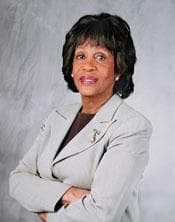
Maxine Waters
Democratic Representative
California
Committees (6)
• Small Business Committee• Ways and Means Committee• Agriculture Committee• Financial Services Committee• Judiciary Committee• Education and Workforce Committee
- Introduced
- In Committee
- On Floor
- Passed Chamber
- Enacted
Financial Protections and Assistance for America's Consumers, States, Businesses, and Vulnerable Populations Act This bill responds to the COVID-19 (i.e., coronavirus disease 2019) emergency and generally provides for financial assistance and other aid to individuals, businesses, and state and local governments for the duration of the emergency period. Among other things, the bill provides direct payments to individuals of up to $2,000 a month, subject to limits based on adjusted gross income; establishes digital wallets for individuals without bank accounts to receive such payments; provides for the suspension of specified housing and consumer loan payments, evictions, and foreclosures; creates financial assistance programs regarding housing, student loans, and utilities; establishes credit programs for small businesses, nonprofit organizations, farms, independent contractors, minority depository institutions, and community development financial institutions; authorizes funds for housing assistance, elderly assistance, and emergency production of medical supplies; and provides for investigation, oversight, and other requirements regarding COVID-19 aid. The bill also modifies existing provisions, including those regarding deposit insurance for transaction accounts, Federal Reserve Board purchases of municipal bonds, stock buybacks, required disclosures by issuers of securities, international aid programs, and agency guidance concerning pandemics and major disasters.
View Full TextSuggested Questions
Get AI-generated questions to help you understand this bill better
Timeline
Introduced in House
Referred to the Committee on Financial Services, and in addition to the Committees on Ways and Means, Education and Labor, Small Business, the Judiciary, and Agriculture, for a period to be subsequently determined by the Speaker, in each case for consideration of such provisions as fall within the jurisdiction of the committee concerned.
Finance and Financial Sector
Administrative law and regulatory proceduresAdvisory bodiesAfricaAgricultural prices, subsidies, creditAir qualityAlternative dispute resolution, mediation, arbitrationAppropriationsAtmospheric science and weatherBank accounts, deposits, capitalBanking and financial institutions regulationBusiness recordsCanadaCardiovascular and respiratory healthChild care and developmentCivil actions and liabilityConflicts and warsCongressional operations and organizationCongressional oversightConsumer creditConsumer Financial Protection BureauCorporate finance and managementDebt collectionDepartment of AgricultureDepartment of Housing and Urban DevelopmentDisability and paralysisDisaster relief and insuranceEconomic performance and conditionsEducation programs fundingEmergency medical services and trauma careEmployee benefits and pensionsEmployee hiringEmployee leaveExecutive agency funding and structureFederal Deposit Insurance Corporation (FDIC)Federal Housing Finance AgencyFederal Reserve SystemFinancial crises and stabilizationFinancial literacyFinancial services and investmentsFirst responders and emergency personnelForeign language and bilingual programsFraud offenses and financial crimesGovernment employee pay, benefits, personnel managementGovernment information and archivesGovernment lending and loan guaranteesGovernment studies and investigationsHealth care costs and insuranceHealth care coverage and accessHealth personnelHealth programs administration and fundingHealth promotion and preventive careHealth technology, devices, suppliesHigher educationHomelessness and emergency shelterHousing and community development fundingHousing discriminationHousing finance and home ownershipHousing supply and affordabilityIncome tax exclusionIndian social and development programsInfectious and parasitic diseasesInfrastructure developmentInterest, dividends, interest ratesInternational organizations and cooperationLandlord and tenantLatin AmericaLow- and moderate-income housingManufacturingMedical tests and diagnostic methodsMexicoMilitary procurement, research, weapons developmentMinority and disadvantaged businessesMinority healthMotor vehiclesMultilateral development programsNational Credit Union AdministrationNatural disastersPhotography and imagingPostal servicePoverty and welfare assistancePublic contracts and procurementPublic participation and lobbyingPublic utilities and utility ratesRefugees, asylum, displaced personsRetail and wholesale tradesSecuritiesSelf-employedSex, gender, sexual orientation discriminationSmall businessSocial work, volunteer service, charitable organizationsSolid waste and recyclingState and local financeStudent aid and college costsTax-exempt organizationsTelephone and wireless communicationTrade agreements and negotiationsUnemploymentU.S. territories and protectoratesVeterans' medical careWages and earningsWater qualityWater use and supplyWomen's healthWorker safety and healthWorld health
Financial Protections and Assistance for America’s Consumers, States, Businesses, and Vulnerable Populations Act
USA116th CongressHR-6321| House
| Updated: 3/23/2020
Financial Protections and Assistance for America's Consumers, States, Businesses, and Vulnerable Populations Act This bill responds to the COVID-19 (i.e., coronavirus disease 2019) emergency and generally provides for financial assistance and other aid to individuals, businesses, and state and local governments for the duration of the emergency period. Among other things, the bill provides direct payments to individuals of up to $2,000 a month, subject to limits based on adjusted gross income; establishes digital wallets for individuals without bank accounts to receive such payments; provides for the suspension of specified housing and consumer loan payments, evictions, and foreclosures; creates financial assistance programs regarding housing, student loans, and utilities; establishes credit programs for small businesses, nonprofit organizations, farms, independent contractors, minority depository institutions, and community development financial institutions; authorizes funds for housing assistance, elderly assistance, and emergency production of medical supplies; and provides for investigation, oversight, and other requirements regarding COVID-19 aid. The bill also modifies existing provisions, including those regarding deposit insurance for transaction accounts, Federal Reserve Board purchases of municipal bonds, stock buybacks, required disclosures by issuers of securities, international aid programs, and agency guidance concerning pandemics and major disasters.
View Full TextSuggested Questions
Get AI-generated questions to help you understand this bill better
Timeline
Introduced in House
Referred to the Committee on Financial Services, and in addition to the Committees on Ways and Means, Education and Labor, Small Business, the Judiciary, and Agriculture, for a period to be subsequently determined by the Speaker, in each case for consideration of such provisions as fall within the jurisdiction of the committee concerned.
Maxine Waters
Democratic Representative
California
Committees (6)
• Small Business Committee• Ways and Means Committee• Agriculture Committee• Financial Services Committee• Judiciary Committee• Education and Workforce Committee
Finance and Financial Sector
Related Bills
- HR 116-6333: To establish a Small Business Financial Assistance Program to support small businesses during the COVID-19 emergency, and for other purposes.
- HR 116-6371: To amend the Securities Exchange Act of 1934 to require issuers to disclose risks related to global pandemics, and for other purposes.
- S 116-2282: Tribal Access to Homeless Assistance Act of 2019
- HR 116-6380: To temporarily provide for Federal insurance of transaction accounts during the COVID-19 emergency.
- S 116-3508: Disaster Protection for Workers’ Credit Act of 2020
- HR 116-6382: Fair Housing Enforcement Emergency Act of 2020
- HR 116-6348: To fully implement the Initiative to Build Growth Equity Funds for Minority Businesses, and for other purposes.
- HR 116-6326: COVID-19 Emergency Housing Relief Act of 2020
- HR 116-6319: To establish a Congressional COVID-19 Aid Oversight Panel, to authorize the Special Inspector General for the Troubled Asset Relief Program to coordinate audits and investigations in connection with the receipt of Federal aid related to COVID-19, and for other purposes.
- HR 116-6381: To require the Board of Governors of the Federal Reserve System to provide zero-interest loans to minority depository institutions and community development financial institutions to combat COVID-19, and for other purposes.
- Introduced
- In Committee
- On Floor
- Passed Chamber
- Enacted
Administrative law and regulatory proceduresAdvisory bodiesAfricaAgricultural prices, subsidies, creditAir qualityAlternative dispute resolution, mediation, arbitrationAppropriationsAtmospheric science and weatherBank accounts, deposits, capitalBanking and financial institutions regulationBusiness recordsCanadaCardiovascular and respiratory healthChild care and developmentCivil actions and liabilityConflicts and warsCongressional operations and organizationCongressional oversightConsumer creditConsumer Financial Protection BureauCorporate finance and managementDebt collectionDepartment of AgricultureDepartment of Housing and Urban DevelopmentDisability and paralysisDisaster relief and insuranceEconomic performance and conditionsEducation programs fundingEmergency medical services and trauma careEmployee benefits and pensionsEmployee hiringEmployee leaveExecutive agency funding and structureFederal Deposit Insurance Corporation (FDIC)Federal Housing Finance AgencyFederal Reserve SystemFinancial crises and stabilizationFinancial literacyFinancial services and investmentsFirst responders and emergency personnelForeign language and bilingual programsFraud offenses and financial crimesGovernment employee pay, benefits, personnel managementGovernment information and archivesGovernment lending and loan guaranteesGovernment studies and investigationsHealth care costs and insuranceHealth care coverage and accessHealth personnelHealth programs administration and fundingHealth promotion and preventive careHealth technology, devices, suppliesHigher educationHomelessness and emergency shelterHousing and community development fundingHousing discriminationHousing finance and home ownershipHousing supply and affordabilityIncome tax exclusionIndian social and development programsInfectious and parasitic diseasesInfrastructure developmentInterest, dividends, interest ratesInternational organizations and cooperationLandlord and tenantLatin AmericaLow- and moderate-income housingManufacturingMedical tests and diagnostic methodsMexicoMilitary procurement, research, weapons developmentMinority and disadvantaged businessesMinority healthMotor vehiclesMultilateral development programsNational Credit Union AdministrationNatural disastersPhotography and imagingPostal servicePoverty and welfare assistancePublic contracts and procurementPublic participation and lobbyingPublic utilities and utility ratesRefugees, asylum, displaced personsRetail and wholesale tradesSecuritiesSelf-employedSex, gender, sexual orientation discriminationSmall businessSocial work, volunteer service, charitable organizationsSolid waste and recyclingState and local financeStudent aid and college costsTax-exempt organizationsTelephone and wireless communicationTrade agreements and negotiationsUnemploymentU.S. territories and protectoratesVeterans' medical careWages and earningsWater qualityWater use and supplyWomen's healthWorker safety and healthWorld health