Simple FAFSA Act of 2019
USA116th CongressHR-4478| House
| Updated: 9/24/2019
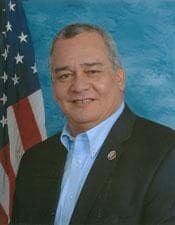
Gregorio Kilili Camacho Sablan
Democratic Representative
Northern Mariana Islands
Cosponsors (3)
Education and Workforce Committee
- Introduced
- In Committee
- On Floor
- Passed Chamber
- Enacted
Simple FAFSA Act of 2019 This bill revises the application process, eligibility requirements, and certain calculations related to the Free Application for Federal Student Aid (FAFSA). Specifically, the bill establishes three pathways for FAFSA applicants to submit income or asset information; establishes a certification process whereby a student who submits an initial FAFSA, and who certifies in the subsequent year that their dependency status has not changed, shall not be required to submit another FAFSA to maintain aid eligibility; requires the Department of Education (ED) to make the FAFSA form available in multiple languages and in formats that are accessible to individual with disabilities; repeals provisions that make ineligible for federal student aid any individual who fails to register with selective service or has committed drug-related offenses; prohibits ED from asking questions relating to whether an applicant for federal student aid has committed any drug-related offenses; expands eligibility for federal student aid to certain students who entered the United States prior to age 16; increases support for working students; requires ED to assign an applicant an expected family contribution of zero in certain situations (e.g., if the student received a federal means-tested benefit such as Medicaid during the previous twenty-four months); and requires ED to use data from the second preceding tax year to simplify the application process and determination of financial aid eligibility.
View Full TextSuggested Questions
Get AI-generated questions to help you understand this bill better
Timeline
Introduced in House
Referred to the House Committee on Education and Labor.
Sponsor introductory remarks on measure. (CR E1196)
Education
Government information and archivesHigher educationImmigrant health and welfareStudent aid and college costsTax administration and collection, taxpayers
Simple FAFSA Act of 2019
USA116th CongressHR-4478| House
| Updated: 9/24/2019
Simple FAFSA Act of 2019 This bill revises the application process, eligibility requirements, and certain calculations related to the Free Application for Federal Student Aid (FAFSA). Specifically, the bill establishes three pathways for FAFSA applicants to submit income or asset information; establishes a certification process whereby a student who submits an initial FAFSA, and who certifies in the subsequent year that their dependency status has not changed, shall not be required to submit another FAFSA to maintain aid eligibility; requires the Department of Education (ED) to make the FAFSA form available in multiple languages and in formats that are accessible to individual with disabilities; repeals provisions that make ineligible for federal student aid any individual who fails to register with selective service or has committed drug-related offenses; prohibits ED from asking questions relating to whether an applicant for federal student aid has committed any drug-related offenses; expands eligibility for federal student aid to certain students who entered the United States prior to age 16; increases support for working students; requires ED to assign an applicant an expected family contribution of zero in certain situations (e.g., if the student received a federal means-tested benefit such as Medicaid during the previous twenty-four months); and requires ED to use data from the second preceding tax year to simplify the application process and determination of financial aid eligibility.
View Full TextSuggested Questions
Get AI-generated questions to help you understand this bill better
Timeline
Introduced in House
Referred to the House Committee on Education and Labor.
Sponsor introductory remarks on measure. (CR E1196)
Gregorio Kilili Camacho Sablan
Democratic Representative
Northern Mariana Islands
Cosponsors (3)
Education and Workforce Committee
Education
Related Bills
- Introduced
- In Committee
- On Floor
- Passed Chamber
- Enacted
Government information and archivesHigher educationImmigrant health and welfareStudent aid and college costsTax administration and collection, taxpayers