College Affordability Act
USA116th CongressHR-4674| House
| Updated: 12/28/2020
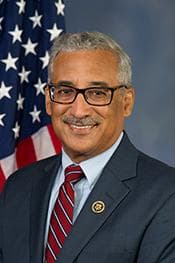
Robert C. "Bobby" Scott
Democratic Representative
Virginia
Cosponsors (158)
Brenda L. Lawrence (Democratic)Al Lawson (Democratic)Kim Schrier (Democratic)Donald Norcross (Democratic)Tim Ryan (Democratic)John Garamendi (Democratic)Gilbert Ray Cisneros (Democratic)Sylvia R. Garcia (Democratic)Ruben Gallego (Democratic)Chris Pappas (Democratic)Jared Huffman (Democratic)Marc A. Veasey (Democratic)Adam B. Schiff (Democratic)Barbara Lee (Democratic)Mikie Sherrill (Democratic)Robin L. Kelly (Democratic)Joseph P. Kennedy (Democratic)Raúl M. Grijalva (Democratic)Tom Malinowski (Democratic)Mark Pocan (Democratic)Karen Bass (Democratic)James R. Langevin (Democratic)Joyce Beatty (Democratic)David N. Cicilline (Democratic)David J. Trone (Democratic)Emanuel Cleaver (Democratic)Brian Higgins (Democratic)Darren Soto (Democratic)Sheila Jackson Lee (Democratic)John A. Yarmuth (Democratic)Ben Ray Luján (Democratic)Carolyn B. Maloney (Democratic)Bill Foster (Democratic)Debra A. Haaland (Democratic)Joe Courtney (Democratic)Sanford D. Bishop (Democratic)Ilhan Omar (Democratic)Eliot L. Engel (Democratic)David Scott (Democratic)Frederica S. Wilson (Democratic)Juan Vargas (Democratic)Terri A. Sewell (Democratic)Bobby L. Rush (Democratic)Gregorio Kilili Camacho Sablan (Democratic)Steven Horsford (Democratic)Andy Levin (Democratic)Jimmy Panetta (Democratic)Eric Swalwell (Democratic)Debbie Dingell (Democratic)Madeleine Dean (Democratic)Katherine M. Clark (Democratic)Steve Cohen (Democratic)Tony Cárdenas (Democratic)Susan A. Davis (Democratic)Suzan K. DelBene (Democratic)Jennifer Wexton (Democratic)Angie Craig (Democratic)Donald M. Payne (Democratic)Thomas R. Suozzi (Democratic)Haley M. Stevens (Democratic)Adriano Espaillat (Democratic)Ann Kirkpatrick (Democratic)Danny K. Davis (Democratic)Lucille Roybal-Allard (Democratic)Peter A. DeFazio (Democratic)Daniel T. Kildee (Democratic)Ted Lieu (Democratic)Ro Khanna (Democratic)A. Donald McEachin (Democratic)Alan S. Lowenthal (Democratic)Ann M. Kuster (Democratic)Sean Patrick Maloney (Democratic)Kurt Schrader (Democratic)Henry C. "Hank" Johnson (Democratic)André Carson (Democratic)Brendan F. Boyle (Democratic)Matt Cartwright (Democratic)Joaquin Castro (Democratic)Stephen F. Lynch (Democratic)Mark DeSaulnier (Democratic)Harley Rouda (Democratic)Joseph D. Morelle (Democratic)G. K. Butterfield (Democratic)Elaine G. Luria (Democratic)Jahana Hayes (Democratic)David E. Price (Democratic)Hakeem S. Jeffries (Democratic)Raja Krishnamoorthi (Democratic)Filemon Vela (Democratic)Marcia L. Fudge (Democratic)Jerrold Nadler (Democratic)John Lewis (Democratic)Alma S. Adams (Democratic)Anna G. Eshoo (Democratic)Josh Harder (Democratic)Mark Takano (Democratic)Lucy McBath (Democratic)Pramila Jayapal (Democratic)Kathy Castor (Democratic)Betty McCollum (Democratic)Eleanor Holmes Norton (Democratic)Sharice Davids (Democratic)Brad Sherman (Democratic)Bonnie Watson Coleman (Democratic)Mary Gay Scanlon (Democratic)Richard E. Neal (Democratic)Henry Cuellar (Democratic)Salud O. Carbajal (Democratic)Jamie Raskin (Democratic)Joe Neguse (Democratic)Mike Quigley (Democratic)Lois Frankel (Democratic)Sean Casten (Democratic)Diana DeGette (Democratic)Janice D. Schakowsky (Democratic)Andy Kim (Democratic)James P. McGovern (Democratic)Maxine Waters (Democratic)Michael F. Q. San Nicolas (Democratic)Adam Smith (Democratic)Nydia M. Velázquez (Democratic)Julia Brownley (Democratic)William R. Keating (Democratic)Eddie Bernice Johnson (Democratic)Yvette D. Clarke (Democratic)Jose E. Serrano (Democratic)Albio Sires (Democratic)Cedric L. Richmond (Democratic)Bennie G. Thompson (Democratic)Earl Blumenauer (Democratic)Lori Trahan (Democratic)TJ Cox (Democratic)Charlie Crist (Democratic)Seth Moulton (Democratic)Mike Thompson (Democratic)Elissa Slotkin (Democratic)Suzanne Bonamici (Democratic)Linda T. Sánchez (Democratic)Ed Perlmutter (Democratic)Zoe Lofgren (Democratic)Nanette Diaz Barragán (Democratic)Jesús G. "Chuy" García (Democratic)Donna E. Shalala (Democratic)Jason Crow (Democratic)Gwen Moore (Democratic)Jimmy Gomez (Democratic)Susie Lee (Democratic)Grace Meng (Democratic)Cheri Bustos (Democratic)Lloyd Doggett (Democratic)Debbie Wasserman Schultz (Democratic)Gerald E. Connolly (Democratic)Lauren Underwood (Democratic)Bill Pascrell (Democratic)Grace F. Napolitano (Democratic)Susan Wild (Democratic)Mike Levin (Democratic)Judy Chu (Democratic)
Education and Workforce Committee
- Introduced
- In Committee
- On Floor
- Passed Chamber
- Enacted
College Affordability Act This bill reauthorizes and revises the Higher Education Act of 1965 (HEA) and addresses additional issues related to higher education, including to revise federal student financial aid programs, consolidate federal student loans and expand loan forgiveness, increase college access and success for certain students, and revise accountability measures. Specifically, the bill revises financial aid programs, including to increase the maximum federal Pell Grant award, provide incentives for states to fund public institutions of higher education (IHEs), increase and make permanent funding for minority-serving IHEs, expand the availability of financial aid to postsecondary students, and extend eligibility for student aid to certain noncitizen students. The bill also revises federal student loan programs, including to replace existing student loan repayment plans with one income-based repayment plan and one fixed repayment plan, allow existing borrowers to lower their payments by switching to the new plans, expand public service loan forgiveness programs (e.g., TEACH grants), and create appeal processes for denied applications for loan forgiveness. In addition, the bill increases college access and success for certain students (e.g., students with low-income, children, or disabilities) through investments and practices, such as student support services and accelerated learning opportunities. The bill establishes consumer information requirements for prospective students. Further, it revises accountability measures for IHEs (including for-profit IHEs), job training programs, college accrediting agencies, and lenders. In particular, the bill updates the performance goals of the Office of Federal Student Aid and requires the Department of Education (ED) to be responsible for the oversight of the office. Finally, the bill prohibits ED from issuing or enforcing certain rules that weaken the enforcement of the prohibition of sex discrimination applicable under title IX of the Education Amendments of 1972.
Suggested Questions
Get AI-generated questions to help you understand this bill better
Timeline
Introduced in House
Referred to the House Committee on Education and Labor.
Committee Consideration and Mark-up Session Held.
Ordered to be Reported (Amended) by the Yeas and Nays: 28 - 22.
Committee Consideration and Mark-up Session Held.
Placed on the Union Calendar, Calendar No. 583.
Reported (Amended) by the Committee on Education and Labor. H. Rept. 116-700.
Education
Academic performance and assessmentsAdministrative law and regulatory proceduresAdoption and foster careAdvisory bodiesAmerican SamoaArea studies and international educationAssault and harassment offensesBusiness educationBusiness ethicsCensus and government statisticsCompetitiveness, trade promotion, trade deficitsComputer security and identity theftCongressional oversightConsumer affairsDepartment of EducationDiplomacy, foreign officials, Americans abroadDrug, alcohol, tobacco useDrug trafficking and controlled substancesEducational guidanceEducation of the disadvantagedEducation programs fundingEmployment and training programsExecutive agency funding and structureFraud offenses and financial crimesGovernment ethics and transparency, public corruptionGovernment information and archivesGovernment lending and loan guaranteesGovernment trust fundsGuamHealth personnelHealth programs administration and fundingHealth promotion and preventive careHigher educationHomelessness and emergency shelterIndian social and development programsInflation and pricesMarketing and advertisingMedical tests and diagnostic methodsMental healthMilitary personnel and dependentsMinority educationNorthern Mariana IslandsOceaniaPalauPerformance measurementPolicy sciencesPublic participation and lobbyingRight of privacySchool administrationScience and engineering educationSex, gender, sexual orientation discriminationSex offensesState and local government operationsStudent aid and college costsStudent recordsTax-exempt organizationsTeaching, teachers, curriculaU.S. territories and protectoratesVeterans' education, employment, rehabilitationVocational and technical educationWages and earnings
College Affordability Act
USA116th CongressHR-4674| House
| Updated: 12/28/2020
College Affordability Act This bill reauthorizes and revises the Higher Education Act of 1965 (HEA) and addresses additional issues related to higher education, including to revise federal student financial aid programs, consolidate federal student loans and expand loan forgiveness, increase college access and success for certain students, and revise accountability measures. Specifically, the bill revises financial aid programs, including to increase the maximum federal Pell Grant award, provide incentives for states to fund public institutions of higher education (IHEs), increase and make permanent funding for minority-serving IHEs, expand the availability of financial aid to postsecondary students, and extend eligibility for student aid to certain noncitizen students. The bill also revises federal student loan programs, including to replace existing student loan repayment plans with one income-based repayment plan and one fixed repayment plan, allow existing borrowers to lower their payments by switching to the new plans, expand public service loan forgiveness programs (e.g., TEACH grants), and create appeal processes for denied applications for loan forgiveness. In addition, the bill increases college access and success for certain students (e.g., students with low-income, children, or disabilities) through investments and practices, such as student support services and accelerated learning opportunities. The bill establishes consumer information requirements for prospective students. Further, it revises accountability measures for IHEs (including for-profit IHEs), job training programs, college accrediting agencies, and lenders. In particular, the bill updates the performance goals of the Office of Federal Student Aid and requires the Department of Education (ED) to be responsible for the oversight of the office. Finally, the bill prohibits ED from issuing or enforcing certain rules that weaken the enforcement of the prohibition of sex discrimination applicable under title IX of the Education Amendments of 1972.
Suggested Questions
Get AI-generated questions to help you understand this bill better
Timeline
Introduced in House
Referred to the House Committee on Education and Labor.
Committee Consideration and Mark-up Session Held.
Ordered to be Reported (Amended) by the Yeas and Nays: 28 - 22.
Committee Consideration and Mark-up Session Held.
Placed on the Union Calendar, Calendar No. 583.
Reported (Amended) by the Committee on Education and Labor. H. Rept. 116-700.
Robert C. "Bobby" Scott
Democratic Representative
Virginia
Cosponsors (158)
Brenda L. Lawrence (Democratic)Al Lawson (Democratic)Kim Schrier (Democratic)Donald Norcross (Democratic)Tim Ryan (Democratic)John Garamendi (Democratic)Gilbert Ray Cisneros (Democratic)Sylvia R. Garcia (Democratic)Ruben Gallego (Democratic)Chris Pappas (Democratic)Jared Huffman (Democratic)Marc A. Veasey (Democratic)Adam B. Schiff (Democratic)Barbara Lee (Democratic)Mikie Sherrill (Democratic)Robin L. Kelly (Democratic)Joseph P. Kennedy (Democratic)Raúl M. Grijalva (Democratic)Tom Malinowski (Democratic)Mark Pocan (Democratic)Karen Bass (Democratic)James R. Langevin (Democratic)Joyce Beatty (Democratic)David N. Cicilline (Democratic)David J. Trone (Democratic)Emanuel Cleaver (Democratic)Brian Higgins (Democratic)Darren Soto (Democratic)Sheila Jackson Lee (Democratic)John A. Yarmuth (Democratic)Ben Ray Luján (Democratic)Carolyn B. Maloney (Democratic)Bill Foster (Democratic)Debra A. Haaland (Democratic)Joe Courtney (Democratic)Sanford D. Bishop (Democratic)Ilhan Omar (Democratic)Eliot L. Engel (Democratic)David Scott (Democratic)Frederica S. Wilson (Democratic)Juan Vargas (Democratic)Terri A. Sewell (Democratic)Bobby L. Rush (Democratic)Gregorio Kilili Camacho Sablan (Democratic)Steven Horsford (Democratic)Andy Levin (Democratic)Jimmy Panetta (Democratic)Eric Swalwell (Democratic)Debbie Dingell (Democratic)Madeleine Dean (Democratic)Katherine M. Clark (Democratic)Steve Cohen (Democratic)Tony Cárdenas (Democratic)Susan A. Davis (Democratic)Suzan K. DelBene (Democratic)Jennifer Wexton (Democratic)Angie Craig (Democratic)Donald M. Payne (Democratic)Thomas R. Suozzi (Democratic)Haley M. Stevens (Democratic)Adriano Espaillat (Democratic)Ann Kirkpatrick (Democratic)Danny K. Davis (Democratic)Lucille Roybal-Allard (Democratic)Peter A. DeFazio (Democratic)Daniel T. Kildee (Democratic)Ted Lieu (Democratic)Ro Khanna (Democratic)A. Donald McEachin (Democratic)Alan S. Lowenthal (Democratic)Ann M. Kuster (Democratic)Sean Patrick Maloney (Democratic)Kurt Schrader (Democratic)Henry C. "Hank" Johnson (Democratic)André Carson (Democratic)Brendan F. Boyle (Democratic)Matt Cartwright (Democratic)Joaquin Castro (Democratic)Stephen F. Lynch (Democratic)Mark DeSaulnier (Democratic)Harley Rouda (Democratic)Joseph D. Morelle (Democratic)G. K. Butterfield (Democratic)Elaine G. Luria (Democratic)Jahana Hayes (Democratic)David E. Price (Democratic)Hakeem S. Jeffries (Democratic)Raja Krishnamoorthi (Democratic)Filemon Vela (Democratic)Marcia L. Fudge (Democratic)Jerrold Nadler (Democratic)John Lewis (Democratic)Alma S. Adams (Democratic)Anna G. Eshoo (Democratic)Josh Harder (Democratic)Mark Takano (Democratic)Lucy McBath (Democratic)Pramila Jayapal (Democratic)Kathy Castor (Democratic)Betty McCollum (Democratic)Eleanor Holmes Norton (Democratic)Sharice Davids (Democratic)Brad Sherman (Democratic)Bonnie Watson Coleman (Democratic)Mary Gay Scanlon (Democratic)Richard E. Neal (Democratic)Henry Cuellar (Democratic)Salud O. Carbajal (Democratic)Jamie Raskin (Democratic)Joe Neguse (Democratic)Mike Quigley (Democratic)Lois Frankel (Democratic)Sean Casten (Democratic)Diana DeGette (Democratic)Janice D. Schakowsky (Democratic)Andy Kim (Democratic)James P. McGovern (Democratic)Maxine Waters (Democratic)Michael F. Q. San Nicolas (Democratic)Adam Smith (Democratic)Nydia M. Velázquez (Democratic)Julia Brownley (Democratic)William R. Keating (Democratic)Eddie Bernice Johnson (Democratic)Yvette D. Clarke (Democratic)Jose E. Serrano (Democratic)Albio Sires (Democratic)Cedric L. Richmond (Democratic)Bennie G. Thompson (Democratic)Earl Blumenauer (Democratic)Lori Trahan (Democratic)TJ Cox (Democratic)Charlie Crist (Democratic)Seth Moulton (Democratic)Mike Thompson (Democratic)Elissa Slotkin (Democratic)Suzanne Bonamici (Democratic)Linda T. Sánchez (Democratic)Ed Perlmutter (Democratic)Zoe Lofgren (Democratic)Nanette Diaz Barragán (Democratic)Jesús G. "Chuy" García (Democratic)Donna E. Shalala (Democratic)Jason Crow (Democratic)Gwen Moore (Democratic)Jimmy Gomez (Democratic)Susie Lee (Democratic)Grace Meng (Democratic)Cheri Bustos (Democratic)Lloyd Doggett (Democratic)Debbie Wasserman Schultz (Democratic)Gerald E. Connolly (Democratic)Lauren Underwood (Democratic)Bill Pascrell (Democratic)Grace F. Napolitano (Democratic)Susan Wild (Democratic)Mike Levin (Democratic)Judy Chu (Democratic)
Education and Workforce Committee
Education
Related Bills
- HR 116-4188: Native American Language Vitalization Act
- HR 116-2632: CCAMPIS Reauthorization Act
- HR 116-792: Opportunities for Success Act of 2019
- HR 116-3489: Higher Education Mental Health Act of 2019
- HR 116-5148: Higher Education Standards Improvement Act
- HR 116-3334: Expanding Access to Graduate Education Act of 2019
- HR 116-4298: Pell Grant Restoration Act
- HR 116-4670: Simplifying Student Loans Act
- S 116-789: Higher Education Access and Success for Homeless and Foster Youth Act
- HR 116-4648: Transparency in Off-Campus Housing Act
- Introduced
- In Committee
- On Floor
- Passed Chamber
- Enacted
Academic performance and assessmentsAdministrative law and regulatory proceduresAdoption and foster careAdvisory bodiesAmerican SamoaArea studies and international educationAssault and harassment offensesBusiness educationBusiness ethicsCensus and government statisticsCompetitiveness, trade promotion, trade deficitsComputer security and identity theftCongressional oversightConsumer affairsDepartment of EducationDiplomacy, foreign officials, Americans abroadDrug, alcohol, tobacco useDrug trafficking and controlled substancesEducational guidanceEducation of the disadvantagedEducation programs fundingEmployment and training programsExecutive agency funding and structureFraud offenses and financial crimesGovernment ethics and transparency, public corruptionGovernment information and archivesGovernment lending and loan guaranteesGovernment trust fundsGuamHealth personnelHealth programs administration and fundingHealth promotion and preventive careHigher educationHomelessness and emergency shelterIndian social and development programsInflation and pricesMarketing and advertisingMedical tests and diagnostic methodsMental healthMilitary personnel and dependentsMinority educationNorthern Mariana IslandsOceaniaPalauPerformance measurementPolicy sciencesPublic participation and lobbyingRight of privacySchool administrationScience and engineering educationSex, gender, sexual orientation discriminationSex offensesState and local government operationsStudent aid and college costsStudent recordsTax-exempt organizationsTeaching, teachers, curriculaU.S. territories and protectoratesVeterans' education, employment, rehabilitationVocational and technical educationWages and earnings