AID Act
USA116th CongressHR-3101| House
| Updated: 6/24/2019
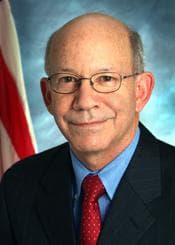
Peter A. DeFazio
Democratic Representative
Oregon
Agriculture Committee, Education and Workforce Committee, Nutrition and Foreign Agriculture Subcommittee
- Introduced
- In Committee
- On Floor
- Passed Chamber
- Enacted
Achieving Independence through Degrees Act or the AID Act This bill revises certain federal student-aid programs. Among other things, it expands access to Pell Grants, expands loan counseling requirements, revises the Federal Work-Study Program, updates the Free Application for Federal Student Aid (FAFSA) process, and extends Supplemental Nutrition Assistance Program (SNAP, formerly known as the food stamp program) benefits to certain students. First, it expands access to Pell Grants by (1) increasing the maximum award and indexing it for inflation, (2) increasing the semester eligibility limit to 15 semesters, and (3) extending eligibility to certain short-term workforce training programs. It modifies student loan counseling requirements applicable to institutions of higher education (IHEs) by requiring annual financial counseling and expanding exit counseling. The Department of Education (ED) must maintain an online counseling tool that provides annual and exit counseling. Additionally, it permanently reauthorizes the Federal Work-Study Program and otherwise revises the program, including by allocating program funds to IHEs based on the amount of Pell Grant funds received by each IHE. It establishes a pilot program that provides work-based learning opportunities for students who demonstrate exceptional financial need. It requires ED to allow students to complete FAFSA as independent students under special circumstances. It repeals a provision that makes students convicted of drug-related offenses ineligible for federal student aid and prohibits ED from asking about drug-related convictions on FAFSA. The bill also allows certain students, including those who have an expected family contribution of zero, to qualify for SNAP benefits.
View Full TextSuggested Questions
Get AI-generated questions to help you understand this bill better
Timeline
Introduced in House
Referred to the Committee on Education and Labor, and in addition to the Committee on Agriculture, for a period to be subsequently determined by the Speaker, in each case for consideration of such provisions as fall within the jurisdiction of the committee concerned.
Referred to the Subcommittee on Nutrition, Oversight, and Department Operations.
Education
Academic performance and assessmentsAdoption and foster careComputers and information technologyCongressional oversightConsumer affairsCriminal procedure and sentencingDepartment of EducationDrug trafficking and controlled substancesEducational facilities and institutionsEducational guidanceEmployee hiringEmployment and training programsExecutive agency funding and structureFinancial literacyFood assistance and reliefGovernment information and archivesGovernment lending and loan guaranteesGovernment studies and investigationsGovernment trust fundsHigher educationHomelessness and emergency shelterInflation and pricesInterest, dividends, interest ratesInternet and video servicesInternet, web applications, social mediaLicensing and registrationsNational Aeronautics and Space AdministrationPerformance measurementPoverty and welfare assistanceSchool administrationStudent aid and college costsTeaching, teachers, curriculaTemporary and part-time employmentVocational and technical educationYouth employment and child labor
AID Act
USA116th CongressHR-3101| House
| Updated: 6/24/2019
Achieving Independence through Degrees Act or the AID Act This bill revises certain federal student-aid programs. Among other things, it expands access to Pell Grants, expands loan counseling requirements, revises the Federal Work-Study Program, updates the Free Application for Federal Student Aid (FAFSA) process, and extends Supplemental Nutrition Assistance Program (SNAP, formerly known as the food stamp program) benefits to certain students. First, it expands access to Pell Grants by (1) increasing the maximum award and indexing it for inflation, (2) increasing the semester eligibility limit to 15 semesters, and (3) extending eligibility to certain short-term workforce training programs. It modifies student loan counseling requirements applicable to institutions of higher education (IHEs) by requiring annual financial counseling and expanding exit counseling. The Department of Education (ED) must maintain an online counseling tool that provides annual and exit counseling. Additionally, it permanently reauthorizes the Federal Work-Study Program and otherwise revises the program, including by allocating program funds to IHEs based on the amount of Pell Grant funds received by each IHE. It establishes a pilot program that provides work-based learning opportunities for students who demonstrate exceptional financial need. It requires ED to allow students to complete FAFSA as independent students under special circumstances. It repeals a provision that makes students convicted of drug-related offenses ineligible for federal student aid and prohibits ED from asking about drug-related convictions on FAFSA. The bill also allows certain students, including those who have an expected family contribution of zero, to qualify for SNAP benefits.
View Full TextSuggested Questions
Get AI-generated questions to help you understand this bill better
Timeline
Introduced in House
Referred to the Committee on Education and Labor, and in addition to the Committee on Agriculture, for a period to be subsequently determined by the Speaker, in each case for consideration of such provisions as fall within the jurisdiction of the committee concerned.
Referred to the Subcommittee on Nutrition, Oversight, and Department Operations.
Peter A. DeFazio
Democratic Representative
Oregon
Agriculture Committee, Education and Workforce Committee, Nutrition and Foreign Agriculture Subcommittee
Education
Related Bills
- HR 116-792: Opportunities for Success Act of 2019
- HR 116-3497: JOBS Act of 2019
- HR 116-1075: FAFSA Fairness Act of 2019
- S 116-839: JOBS Act of 2019
- HR 116-4876: Earning Experience Act of 2019
- HR 116-4674: College Affordability Act
- S 116-416: FAFSA Fairness Act of 2019
- S 116-1496: Empowering Students Through Enhanced Financial Counseling Act
- HR 116-2129: Empowering Students Through Enhanced Financial Counseling Act
- S 116-5079: SUCCESS Act
- Introduced
- In Committee
- On Floor
- Passed Chamber
- Enacted
Academic performance and assessmentsAdoption and foster careComputers and information technologyCongressional oversightConsumer affairsCriminal procedure and sentencingDepartment of EducationDrug trafficking and controlled substancesEducational facilities and institutionsEducational guidanceEmployee hiringEmployment and training programsExecutive agency funding and structureFinancial literacyFood assistance and reliefGovernment information and archivesGovernment lending and loan guaranteesGovernment studies and investigationsGovernment trust fundsHigher educationHomelessness and emergency shelterInflation and pricesInterest, dividends, interest ratesInternet and video servicesInternet, web applications, social mediaLicensing and registrationsNational Aeronautics and Space AdministrationPerformance measurementPoverty and welfare assistanceSchool administrationStudent aid and college costsTeaching, teachers, curriculaTemporary and part-time employmentVocational and technical educationYouth employment and child labor