Global Health Security Act of 2020
USA116th CongressHR-2166| House
| Updated: 9/23/2020
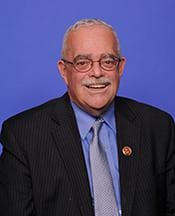
Gerald E. Connolly
Democratic Representative
Virginia
Cosponsors (82)
Steve Chabot (Republican)Tom Cole (Republican)Gilbert Ray Cisneros (Democratic)Mikie Sherrill (Democratic)Guy Reschenthaler (Republican)Joseph P. Kennedy (Democratic)Tom Malinowski (Democratic)Abigail Davis Spanberger (Democratic)Karen Bass (Democratic)James R. Langevin (Democratic)Joyce Beatty (Democratic)Lisa Blunt Rochester (Democratic)David N. Cicilline (Democratic)David J. Trone (Democratic)Ed Case (Democratic)Emanuel Cleaver (Democratic)Chrissy Houlahan (Democratic)Jackie Speier (Democratic)Darren Soto (Democratic)Sheila Jackson Lee (Democratic)Derek Kilmer (Democratic)Frederica S. Wilson (Democratic)Terri A. Sewell (Democratic)Bobby L. Rush (Democratic)Andy Levin (Democratic)Paul Cook (Republican)J. Luis Correa (Democratic)Dina Titus (Democratic)Madeleine Dean (Democratic)Suzan K. DelBene (Democratic)Jennifer Wexton (Democratic)Scott H. Peters (Democratic)Paul Tonko (Democratic)Angie Craig (Democratic)Thomas R. Suozzi (Democratic)Adriano Espaillat (Democratic)Peter A. DeFazio (Democratic)Vicente Gonzalez (Democratic)Ted Lieu (Democratic)Ro Khanna (Democratic)Ann M. Kuster (Democratic)Sean Patrick Maloney (Democratic)Brendan F. Boyle (Democratic)Matt Cartwright (Democratic)Stephen F. Lynch (Democratic)Mark DeSaulnier (Democratic)Joe Wilson (Republican)Jim Cooper (Democratic)Ann Wagner (Republican)Dean Phillips (Democratic)Theodore E. Deutch (Democratic)Ami Bera (Democratic)Josh Harder (Democratic)Eleanor Holmes Norton (Democratic)Brad Sherman (Democratic)Bonnie Watson Coleman (Democratic)Denny Heck (Democratic)Jamie Raskin (Democratic)Jim Costa (Democratic)Donald S. Beyer (Democratic)Sean Casten (Democratic)James P. McGovern (Democratic)Ted S. Yoho (Republican)Julia Brownley (Democratic)William R. Keating (Democratic)Rick Larsen (Democratic)Albio Sires (Democratic)Brian K. Fitzpatrick (Republican)Colin Z. Allred (Democratic)Lori Trahan (Democratic)TJ Cox (Democratic)Elissa Slotkin (Democratic)Lizzie Fletcher (Democratic)Linda T. Sánchez (Democratic)Ed Perlmutter (Democratic)Zoe Lofgren (Democratic)Donna E. Shalala (Democratic)Grace Meng (Democratic)Grace F. Napolitano (Democratic)Susan Wild (Democratic)Mike Levin (Democratic)Francis Rooney (Republican)
Foreign Affairs Committee, Health, Education, Labor, and Pensions Committee, Intelligence and Special Operations Subcommittee, Armed Services Committee, Intelligence (Permanent Select) Committee
- Introduced
- In Committee
- On Floor
- Passed Chamber
- Enacted
Global Health Security Act of 2020 This bill directs the President to create the Global Health Security Agenda Interagency Review Council to implement the Global Health Security Agenda, an initiative launched by nearly 30 nations to address global infectious disease threats. The council's responsibilities include (1) providing policy recommendations on agenda-related goals, objectives, and implementation; (2) helping federal agencies with implementation; and (3) reviewing the progress and challenges in achieving U.S. commitments, including assistance to help other countries meet agenda targets. The bill also directs the federal agencies involved with the agenda to prioritize its implementation and to take certain steps to achieve that goal. The President shall also appoint a U.S. Coordinator for Global Health Security to coordinate and report on the interagency process for responding to global health security emergencies.
Suggested Questions
Get AI-generated questions to help you understand this bill better
Timeline
Introduced in House
Referred to the Committee on Foreign Affairs, and in addition to the Committees on Armed Services, and Intelligence (Permanent Select), for a period to be subsequently determined by the Speaker, in each case for consideration of such provisions as fall within the jurisdiction of the committee concerned.
Referred to the Subcommittee on Intelligence and Emerging Threats and Capabilities.
Committee Consideration and Mark-up Session Held.
Ordered to be Reported by Voice Vote.
Mr. Castro (TX) moved to suspend the rules and pass the bill, as amended.
Considered under suspension of the rules. (consideration: CR H4667-4671)
DEBATE - The House proceeded with forty minutes of debate on H.R. 2166.
Passed/agreed to in House: On motion to suspend the rules and pass the bill, as amended Agreed to by voice vote.
On motion to suspend the rules and pass the bill, as amended Agreed to by voice vote. (text: CR H4667-4668)
Motion to reconsider laid on the table Agreed to without objection.
Received in the Senate and Read twice and referred to the Committee on Health, Education, Labor, and Pensions.
International Affairs
Advisory bodiesAnimal and plant healthCongressional oversightEmergency medical services and trauma careExecutive agency funding and structureExecutive Office of the PresidentFederal officialsForeign aid and international reliefGovernment ethics and transparency, public corruptionGovernment information and archivesHealth promotion and preventive careInfectious and parasitic diseasesInternational organizations and cooperationPublic-private cooperationWorld health
Global Health Security Act of 2020
USA116th CongressHR-2166| House
| Updated: 9/23/2020
Global Health Security Act of 2020 This bill directs the President to create the Global Health Security Agenda Interagency Review Council to implement the Global Health Security Agenda, an initiative launched by nearly 30 nations to address global infectious disease threats. The council's responsibilities include (1) providing policy recommendations on agenda-related goals, objectives, and implementation; (2) helping federal agencies with implementation; and (3) reviewing the progress and challenges in achieving U.S. commitments, including assistance to help other countries meet agenda targets. The bill also directs the federal agencies involved with the agenda to prioritize its implementation and to take certain steps to achieve that goal. The President shall also appoint a U.S. Coordinator for Global Health Security to coordinate and report on the interagency process for responding to global health security emergencies.
Suggested Questions
Get AI-generated questions to help you understand this bill better
Timeline
Introduced in House
Referred to the Committee on Foreign Affairs, and in addition to the Committees on Armed Services, and Intelligence (Permanent Select), for a period to be subsequently determined by the Speaker, in each case for consideration of such provisions as fall within the jurisdiction of the committee concerned.
Referred to the Subcommittee on Intelligence and Emerging Threats and Capabilities.
Committee Consideration and Mark-up Session Held.
Ordered to be Reported by Voice Vote.
Mr. Castro (TX) moved to suspend the rules and pass the bill, as amended.
Considered under suspension of the rules. (consideration: CR H4667-4671)
DEBATE - The House proceeded with forty minutes of debate on H.R. 2166.
Passed/agreed to in House: On motion to suspend the rules and pass the bill, as amended Agreed to by voice vote.
On motion to suspend the rules and pass the bill, as amended Agreed to by voice vote. (text: CR H4667-4668)
Motion to reconsider laid on the table Agreed to without objection.
Received in the Senate and Read twice and referred to the Committee on Health, Education, Labor, and Pensions.
Gerald E. Connolly
Democratic Representative
Virginia
Cosponsors (82)
Steve Chabot (Republican)Tom Cole (Republican)Gilbert Ray Cisneros (Democratic)Mikie Sherrill (Democratic)Guy Reschenthaler (Republican)Joseph P. Kennedy (Democratic)Tom Malinowski (Democratic)Abigail Davis Spanberger (Democratic)Karen Bass (Democratic)James R. Langevin (Democratic)Joyce Beatty (Democratic)Lisa Blunt Rochester (Democratic)David N. Cicilline (Democratic)David J. Trone (Democratic)Ed Case (Democratic)Emanuel Cleaver (Democratic)Chrissy Houlahan (Democratic)Jackie Speier (Democratic)Darren Soto (Democratic)Sheila Jackson Lee (Democratic)Derek Kilmer (Democratic)Frederica S. Wilson (Democratic)Terri A. Sewell (Democratic)Bobby L. Rush (Democratic)Andy Levin (Democratic)Paul Cook (Republican)J. Luis Correa (Democratic)Dina Titus (Democratic)Madeleine Dean (Democratic)Suzan K. DelBene (Democratic)Jennifer Wexton (Democratic)Scott H. Peters (Democratic)Paul Tonko (Democratic)Angie Craig (Democratic)Thomas R. Suozzi (Democratic)Adriano Espaillat (Democratic)Peter A. DeFazio (Democratic)Vicente Gonzalez (Democratic)Ted Lieu (Democratic)Ro Khanna (Democratic)Ann M. Kuster (Democratic)Sean Patrick Maloney (Democratic)Brendan F. Boyle (Democratic)Matt Cartwright (Democratic)Stephen F. Lynch (Democratic)Mark DeSaulnier (Democratic)Joe Wilson (Republican)Jim Cooper (Democratic)Ann Wagner (Republican)Dean Phillips (Democratic)Theodore E. Deutch (Democratic)Ami Bera (Democratic)Josh Harder (Democratic)Eleanor Holmes Norton (Democratic)Brad Sherman (Democratic)Bonnie Watson Coleman (Democratic)Denny Heck (Democratic)Jamie Raskin (Democratic)Jim Costa (Democratic)Donald S. Beyer (Democratic)Sean Casten (Democratic)James P. McGovern (Democratic)Ted S. Yoho (Republican)Julia Brownley (Democratic)William R. Keating (Democratic)Rick Larsen (Democratic)Albio Sires (Democratic)Brian K. Fitzpatrick (Republican)Colin Z. Allred (Democratic)Lori Trahan (Democratic)TJ Cox (Democratic)Elissa Slotkin (Democratic)Lizzie Fletcher (Democratic)Linda T. Sánchez (Democratic)Ed Perlmutter (Democratic)Zoe Lofgren (Democratic)Donna E. Shalala (Democratic)Grace Meng (Democratic)Grace F. Napolitano (Democratic)Susan Wild (Democratic)Mike Levin (Democratic)Francis Rooney (Republican)
Foreign Affairs Committee, Health, Education, Labor, and Pensions Committee, Intelligence and Special Operations Subcommittee, Armed Services Committee, Intelligence (Permanent Select) Committee
International Affairs
Related Bills
- Introduced
- In Committee
- On Floor
- Passed Chamber
- Enacted
Advisory bodiesAnimal and plant healthCongressional oversightEmergency medical services and trauma careExecutive agency funding and structureExecutive Office of the PresidentFederal officialsForeign aid and international reliefGovernment ethics and transparency, public corruptionGovernment information and archivesHealth promotion and preventive careInfectious and parasitic diseasesInternational organizations and cooperationPublic-private cooperationWorld health