BUILD Act
USA115th CongressS-822| Senate
| Updated: 9/7/2017
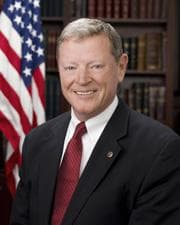
James M. Inhofe
Republican Senator
Oklahoma
Cosponsors (9)
Environment and Public Works Committee
- Introduced
- In Committee
- On Floor
- Passed Chamber
- Enacted
Brownfields Utilization, Investment, and Local Development Act of 2017 or the BUILD Act This bill amends the Comprehensive Environmental Response, Compensation, and Liability Act of 1980 to revise programs and funding regarding brownfields. (Brownfields are certain commercial properties that are hindered from reuse or redevelopment due to the presence of a hazardous substance, pollutant, or contaminant. Owners or operators of such sites may be financially liable for cleanup costs.) (Sec. 2) The bill makes certain nonprofit organizations and community development entities eligible for brownfields revitalization funding. (Sec. 3) The Environmental Protection Agency (EPA) must provide multipurpose grants to carry out inventory, characterization, assessment, planning, or remediation activities at brownfield sites. (Sec. 4) The brownfield site characterization and assessment grant program is revised to authorize eligible governmental entities to receive grants for property that was acquired before January 11, 2002, even if the entities do not qualify as bona fide prospective purchasers. (Sec. 5) The bill increases the cap on the amount that may be given in grants and loans for each site to be remediated. (Sec. 7) The EPA must (currently, may) award grants for training, research, and technical assistance to facilitate the inventory of brownfield sites, site assessments, remediation of brownfield sites, community involvement, or site preparation. The EPA may use up to a specified amount of the funding to assist small communities, Indian tribes, rural areas, or disadvantaged areas. (Sec. 8) The EPA must give consideration to waterfront brownfield sites located adjacent to bodies of water or federally designated floodplains when providing brownfield grants. (Sec. 9) The EPA must award grants to: (1) carry out inventory, characterization, assessment, planning, feasibility analysis, design, or remediation activities to locate a clean energy project at brownfield sites; and (2) capitalize a revolving loan fund for those purposes. A clean energy project means: (1) a facility that generates renewable electricity from wind, solar, or geothermal energy; and (2) any energy efficiency improvement project at a facility. (Sec. 11) The bill excludes state and local governments as owners or operators regarding property acquired through law enforcement activity, escheatment, and eminent domain. Alaska Native villages and corporations are excluded as owners or operators if they received contaminated property from the federal government. This exclusion does not apply to an entity that causes or contributes to a hazardous substance release. The bill allows tenants and lessees of a property to qualify as bona fide prospective purchasers. (Sec. 12) The bill: (1) reauthorizes through FY2020 and revises brownfields revitalization funding, and (2) reauthorizes through FY2020 state and tribal response programs (programs responding to brownfields).
Suggested Questions
Get AI-generated questions to help you understand this bill better
Timeline
Introduced in Senate
Read twice and referred to the Committee on Environment and Public Works.
Committee on Environment and Public Works. Ordered to be reported with an amendment in the nature of a substitute favorably.
Committee on Environment and Public Works. Reported by Senator Barrasso with an amendment in the nature of a substitute. With written report No. 115-148.
Placed on Senate Legislative Calendar under General Orders. Calendar No. 213.
Latest Companion Bill Action
HR 115-5953Received in the Senate and Read twice and referred to the Committee on Banking, Housing, and Urban Affairs.
Environmental Protection
Alternative and renewable resourcesElectric power generation and transmissionEnergy efficiency and conservationFloods and storm protectionGovernment buildings, facilities, and propertyHazardous wastes and toxic substancesHousing and community development fundingIndian lands and resources rightsLand use and conservationNavigation, waterways, harborsPollution liabilityRural conditions and developmentSmall townsTax-exempt organizations
BUILD Act
USA115th CongressS-822| Senate
| Updated: 9/7/2017
Brownfields Utilization, Investment, and Local Development Act of 2017 or the BUILD Act This bill amends the Comprehensive Environmental Response, Compensation, and Liability Act of 1980 to revise programs and funding regarding brownfields. (Brownfields are certain commercial properties that are hindered from reuse or redevelopment due to the presence of a hazardous substance, pollutant, or contaminant. Owners or operators of such sites may be financially liable for cleanup costs.) (Sec. 2) The bill makes certain nonprofit organizations and community development entities eligible for brownfields revitalization funding. (Sec. 3) The Environmental Protection Agency (EPA) must provide multipurpose grants to carry out inventory, characterization, assessment, planning, or remediation activities at brownfield sites. (Sec. 4) The brownfield site characterization and assessment grant program is revised to authorize eligible governmental entities to receive grants for property that was acquired before January 11, 2002, even if the entities do not qualify as bona fide prospective purchasers. (Sec. 5) The bill increases the cap on the amount that may be given in grants and loans for each site to be remediated. (Sec. 7) The EPA must (currently, may) award grants for training, research, and technical assistance to facilitate the inventory of brownfield sites, site assessments, remediation of brownfield sites, community involvement, or site preparation. The EPA may use up to a specified amount of the funding to assist small communities, Indian tribes, rural areas, or disadvantaged areas. (Sec. 8) The EPA must give consideration to waterfront brownfield sites located adjacent to bodies of water or federally designated floodplains when providing brownfield grants. (Sec. 9) The EPA must award grants to: (1) carry out inventory, characterization, assessment, planning, feasibility analysis, design, or remediation activities to locate a clean energy project at brownfield sites; and (2) capitalize a revolving loan fund for those purposes. A clean energy project means: (1) a facility that generates renewable electricity from wind, solar, or geothermal energy; and (2) any energy efficiency improvement project at a facility. (Sec. 11) The bill excludes state and local governments as owners or operators regarding property acquired through law enforcement activity, escheatment, and eminent domain. Alaska Native villages and corporations are excluded as owners or operators if they received contaminated property from the federal government. This exclusion does not apply to an entity that causes or contributes to a hazardous substance release. The bill allows tenants and lessees of a property to qualify as bona fide prospective purchasers. (Sec. 12) The bill: (1) reauthorizes through FY2020 and revises brownfields revitalization funding, and (2) reauthorizes through FY2020 state and tribal response programs (programs responding to brownfields).
Suggested Questions
Get AI-generated questions to help you understand this bill better
Timeline
Introduced in Senate
Read twice and referred to the Committee on Environment and Public Works.
Committee on Environment and Public Works. Ordered to be reported with an amendment in the nature of a substitute favorably.
Committee on Environment and Public Works. Reported by Senator Barrasso with an amendment in the nature of a substitute. With written report No. 115-148.
Placed on Senate Legislative Calendar under General Orders. Calendar No. 213.
Latest Companion Bill Action
HR 115-5953Received in the Senate and Read twice and referred to the Committee on Banking, Housing, and Urban Affairs.
James M. Inhofe
Republican Senator
Oklahoma
Cosponsors (9)
Environment and Public Works Committee
Environmental Protection
Related Bills
- HR 115-2479: To rebuild and modernize the Nation's infrastructure to expand access to broadband internet, rehabilitate drinking water infrastructure, modernize the electric grid and energy supply infrastructure, redevelop brownfields, strengthen health care infrastructure, create jobs, protect public health and the environment, and for other purposes.
- HR 115-1625: Consolidated Appropriations Act, 2018
- HR 115-1758: To amend the Comprehensive Environmental Response, Compensation, and Liability Act of 1980 to modify provisions relating to brownfield remediation grants, and for other purposes.
- HR 115-1747: To amend the Comprehensive Environmental Response, Compensation, and Liability Act of 1980 to reauthorize and improve the Brownfields revitalization program, and for other purposes.
- Introduced
- In Committee
- On Floor
- Passed Chamber
- Enacted
Alternative and renewable resourcesElectric power generation and transmissionEnergy efficiency and conservationFloods and storm protectionGovernment buildings, facilities, and propertyHazardous wastes and toxic substancesHousing and community development fundingIndian lands and resources rightsLand use and conservationNavigation, waterways, harborsPollution liabilityRural conditions and developmentSmall townsTax-exempt organizations