To amend the Comprehensive Environmental Response, Compensation, and Liability Act of 1980 to modify provisions relating to brownfield remediation grants, and for other purposes.
USA115th CongressHR-1758| House
| Updated: 11/21/2017
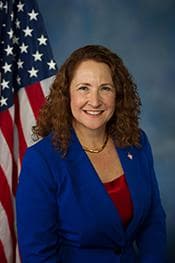
Elizabeth H. Esty
Democratic Representative
Connecticut
Transportation and Infrastructure Committee, Environment Subcommittee, Water Resources and Environment Subcommittee, Energy and Commerce Committee
- Introduced
- In Committee
- On Floor
- Passed Chamber
- Enacted
Brownfields Reauthorization Act of 2017 (Sec. 2) This bill modifies the Comprehensive Environmental Response, Compensation, and Liability Act of 1980 (CERCLA) to specify if a state or local government takes title to a brownfield site as a result of law enforcement activity, that government is not an owner or operator for the purposes of CERCLA. (Brownfields are certain commercial properties that are hindered from reuse or redevelopment due to the presence of a hazardous substance, pollutant, or contaminant.) (Sec. 3) The bill modifies brownfield program eligibility with respect to petroleum sites where no viable responsible party exists. Specifically, it eliminates the requirement that sites be of relatively low risk. (Sec. 4) The bill revises leaseholder status regarding bona fide prospective purchasers. (Sec. 5) The bill expands CERCLA eligibility for nonprofit organizations and qualified community development entities. (Sec. 6) The brownfield site characterization and assessment grant program and the brownfield remediation grant and loan program are revised by authorizing eligible governmental entities to receive grants and loans for property that was acquired before January 11, 2002, even if the entities do not qualify as bona fide prospective purchasers. (Sec. 7) The bill increases the cap on the amount that may be given in grants and loans for each site to be remediated. (Sec. 8) The Environmental Protection Agency (EPA) must establish a program to provide multipurpose grants to carry out inventory, characterization, assessment, planning, or remediation activities at brownfield sites. (Sec. 9) The bill allows grant recipients to use up to 5% of funds for administrative costs. (Sec. 10) The bill reauthorizes brownfields revitalization funding through FY2022. (Sec. 11) The bill reauthorizes state response programs through FY2022.
View Full TextSuggested Questions
Get AI-generated questions to help you understand this bill better
Timeline
Introduced in House
Referred to the Committee on Energy and Commerce, and in addition to the Committee on Transportation and Infrastructure, for a period to be subsequently determined by the Speaker, in each case for consideration of such provisions as fall within the jurisdiction of the committee concerned.
Referred to the Subcommittee on Water Resources and Environment.
Referred to the Subcommittee on Environment.
Committee Consideration and Mark-up Session Held.
Subcommittee on Water Resources and Environment Discharged.
Ordered to be Reported (Amended) by Voice Vote.
Reported (Amended) by the Committee on Transportation and Infrastructure. H. Rept. 115-419, Part I.
Environmental Protection
Government buildings, facilities, and propertyHazardous wastes and toxic substancesLand use and conservationPollution liabilityTax-exempt organizations
To amend the Comprehensive Environmental Response, Compensation, and Liability Act of 1980 to modify provisions relating to brownfield remediation grants, and for other purposes.
USA115th CongressHR-1758| House
| Updated: 11/21/2017
Brownfields Reauthorization Act of 2017 (Sec. 2) This bill modifies the Comprehensive Environmental Response, Compensation, and Liability Act of 1980 (CERCLA) to specify if a state or local government takes title to a brownfield site as a result of law enforcement activity, that government is not an owner or operator for the purposes of CERCLA. (Brownfields are certain commercial properties that are hindered from reuse or redevelopment due to the presence of a hazardous substance, pollutant, or contaminant.) (Sec. 3) The bill modifies brownfield program eligibility with respect to petroleum sites where no viable responsible party exists. Specifically, it eliminates the requirement that sites be of relatively low risk. (Sec. 4) The bill revises leaseholder status regarding bona fide prospective purchasers. (Sec. 5) The bill expands CERCLA eligibility for nonprofit organizations and qualified community development entities. (Sec. 6) The brownfield site characterization and assessment grant program and the brownfield remediation grant and loan program are revised by authorizing eligible governmental entities to receive grants and loans for property that was acquired before January 11, 2002, even if the entities do not qualify as bona fide prospective purchasers. (Sec. 7) The bill increases the cap on the amount that may be given in grants and loans for each site to be remediated. (Sec. 8) The Environmental Protection Agency (EPA) must establish a program to provide multipurpose grants to carry out inventory, characterization, assessment, planning, or remediation activities at brownfield sites. (Sec. 9) The bill allows grant recipients to use up to 5% of funds for administrative costs. (Sec. 10) The bill reauthorizes brownfields revitalization funding through FY2022. (Sec. 11) The bill reauthorizes state response programs through FY2022.
View Full TextSuggested Questions
Get AI-generated questions to help you understand this bill better
Timeline
Introduced in House
Referred to the Committee on Energy and Commerce, and in addition to the Committee on Transportation and Infrastructure, for a period to be subsequently determined by the Speaker, in each case for consideration of such provisions as fall within the jurisdiction of the committee concerned.
Referred to the Subcommittee on Water Resources and Environment.
Referred to the Subcommittee on Environment.
Committee Consideration and Mark-up Session Held.
Subcommittee on Water Resources and Environment Discharged.
Ordered to be Reported (Amended) by Voice Vote.
Reported (Amended) by the Committee on Transportation and Infrastructure. H. Rept. 115-419, Part I.
Elizabeth H. Esty
Democratic Representative
Connecticut
Transportation and Infrastructure Committee, Environment Subcommittee, Water Resources and Environment Subcommittee, Energy and Commerce Committee
Environmental Protection
Related Bills
- HR 115-2479: To rebuild and modernize the Nation's infrastructure to expand access to broadband internet, rehabilitate drinking water infrastructure, modernize the electric grid and energy supply infrastructure, redevelop brownfields, strengthen health care infrastructure, create jobs, protect public health and the environment, and for other purposes.
- HR 115-1625: Consolidated Appropriations Act, 2018
- S 115-822: BUILD Act
- HR 115-3017: Brownfields Enhancement, Economic Redevelopment, and Reauthorization Act of 2017
- HR 115-1747: To amend the Comprehensive Environmental Response, Compensation, and Liability Act of 1980 to reauthorize and improve the Brownfields revitalization program, and for other purposes.
- Introduced
- In Committee
- On Floor
- Passed Chamber
- Enacted
Government buildings, facilities, and propertyHazardous wastes and toxic substancesLand use and conservationPollution liabilityTax-exempt organizations