To expand economic opportunities, improve community policing, and promote common-sense gun violence prevention in underserved communities, and for other purposes.
USA115th CongressHR-5164| House
| Updated: 4/6/2018
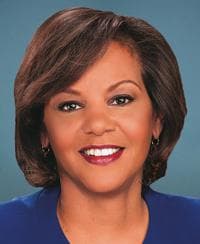
Robin L. Kelly
Democratic Representative
Illinois
Cosponsors (14)
David N. Cicilline (Democratic)Katherine M. Clark (Democratic)Danny K. Davis (Democratic)Lucille Roybal-Allard (Democratic)Al Green (Democratic)Hakeem S. Jeffries (Democratic)Eleanor Holmes Norton (Democratic)Diana DeGette (Democratic)Janice D. Schakowsky (Democratic)Maxine Waters (Democratic)Yvette D. Clarke (Democratic)Jose E. Serrano (Democratic)Gwen Moore (Democratic)Alcee L. Hastings (Democratic)
Committees (12)
• Small Business Committee• Ways and Means Committee• Agriculture Committee• Crime and Federal Government Surveillance Subcommittee• Rules Committee• Financial Services Committee• Health Subcommittee• Judiciary Committee• Energy and Commerce Committee• Education and Workforce Committee• Nutrition and Foreign Agriculture Subcommittee• Oversight and Government Reform Committee
- Introduced
- In Committee
- On Floor
- Passed Chamber
- Enacted
Urban Progress Act of 2018 This bill amends various provisions of law and sets forth new provisions to promote economic development, expand employment opportunities, reduce gun violence, and limit the impact of poverty. Among other things, it: makes permanent the work opportunity tax credit and increases it for employers who hire ex-felons; establishes grants to promote commercial development in underserved communities, to provide career training programs, and to support summer employment opportunities for youth; increases tax deductions for business start-up expenditures and for corporations' organizational expenditures; establishes a working group to develop a national plan to reduce child poverty; increases Supplemental Nutrition Assistance Program benefits, when school is not in session, for households with minor children; increases the child tax credit for low-income taxpayers; creates a process to expunge and seal certain youth criminal records; authorizes grants to prevent juvenile delinquency and criminal street gang activity; makes trafficking in firearms a stand-alone criminal offense; requires annual reports on the public health effects of gun violence; broadens the categories of prohibited persons who are barred from receiving or possessing firearms; requires states to submit mental health and criminal history records to the National Instant Criminal Background Check System; requires federal agencies and departments, including courts, to certify whether they provided disqualifying records of prohibited persons; prohibits firearm transfers between private parties unless a licensed dealer first conducts a background check; requires gun owners to report lost or stolen firearms; and prohibits licensed gun dealers from transferring firearms to unlicensed persons prior to background check completion.
View Full TextSuggested Questions
Get AI-generated questions to help you understand this bill better
Timeline
Introduced in House
Referred to the Committee on the Judiciary, and in addition to the Committees on Education and the Workforce, Financial Services, Ways and Means, Small Business, Oversight and Government Reform, Agriculture, Rules, and Energy and Commerce, for a period to be subsequently determined by the Speaker, in each case for consideration of such provisions as fall within the jurisdiction of the committee concerned.
Referred to the Subcommittee on Health.
Referred to the Subcommittee on Nutrition.
Referred to the Subcommittee on Crime, Terrorism, Homeland Security, and Investigations.
Social Welfare
Administrative law and regulatory proceduresAdult education and literacyAdvisory bodiesAssault and harassment offensesChild care and developmentChild healthChild safety and welfareCivil actions and liabilityCongressional oversightCorrectional facilities and imprisonmentCrime preventionCriminal investigation, prosecution, interrogationCriminal justice information and recordsCriminal procedure and sentencingDepartment of Health and Human ServicesDrug, alcohol, tobacco useDrug trafficking and controlled substancesEducation programs fundingElementary and secondary educationEmergency medical services and trauma careEmployee hiringEmployment and training programsEvidence and witnessesExecutive agency funding and structureFederal district courtsFirearms and explosivesGovernment information and archivesGovernment studies and investigationsHealth information and medical recordsHigher educationHomelessness and emergency shelterIncome tax creditsJuvenile crime and gang violenceLaw enforcement administration and fundingLicensing and registrationsMental healthNational Guard and reservesPerformance measurementPersonnel recordsPoverty and welfare assistancePreschool educationPublic-private cooperationResearch administration and fundingRetail and wholesale tradesSmuggling and traffickingTeenage pregnancyTemporary and part-time employmentUnemploymentU.S. Sentencing CommissionVeterans' education, employment, rehabilitationViolent crimeVocational and technical educationWages and earningsYouth employment and child labor
To expand economic opportunities, improve community policing, and promote common-sense gun violence prevention in underserved communities, and for other purposes.
USA115th CongressHR-5164| House
| Updated: 4/6/2018
Urban Progress Act of 2018 This bill amends various provisions of law and sets forth new provisions to promote economic development, expand employment opportunities, reduce gun violence, and limit the impact of poverty. Among other things, it: makes permanent the work opportunity tax credit and increases it for employers who hire ex-felons; establishes grants to promote commercial development in underserved communities, to provide career training programs, and to support summer employment opportunities for youth; increases tax deductions for business start-up expenditures and for corporations' organizational expenditures; establishes a working group to develop a national plan to reduce child poverty; increases Supplemental Nutrition Assistance Program benefits, when school is not in session, for households with minor children; increases the child tax credit for low-income taxpayers; creates a process to expunge and seal certain youth criminal records; authorizes grants to prevent juvenile delinquency and criminal street gang activity; makes trafficking in firearms a stand-alone criminal offense; requires annual reports on the public health effects of gun violence; broadens the categories of prohibited persons who are barred from receiving or possessing firearms; requires states to submit mental health and criminal history records to the National Instant Criminal Background Check System; requires federal agencies and departments, including courts, to certify whether they provided disqualifying records of prohibited persons; prohibits firearm transfers between private parties unless a licensed dealer first conducts a background check; requires gun owners to report lost or stolen firearms; and prohibits licensed gun dealers from transferring firearms to unlicensed persons prior to background check completion.
View Full TextSuggested Questions
Get AI-generated questions to help you understand this bill better
Timeline
Introduced in House
Referred to the Committee on the Judiciary, and in addition to the Committees on Education and the Workforce, Financial Services, Ways and Means, Small Business, Oversight and Government Reform, Agriculture, Rules, and Energy and Commerce, for a period to be subsequently determined by the Speaker, in each case for consideration of such provisions as fall within the jurisdiction of the committee concerned.
Referred to the Subcommittee on Health.
Referred to the Subcommittee on Nutrition.
Referred to the Subcommittee on Crime, Terrorism, Homeland Security, and Investigations.
Robin L. Kelly
Democratic Representative
Illinois
Cosponsors (14)
David N. Cicilline (Democratic)Katherine M. Clark (Democratic)Danny K. Davis (Democratic)Lucille Roybal-Allard (Democratic)Al Green (Democratic)Hakeem S. Jeffries (Democratic)Eleanor Holmes Norton (Democratic)Diana DeGette (Democratic)Janice D. Schakowsky (Democratic)Maxine Waters (Democratic)Yvette D. Clarke (Democratic)Jose E. Serrano (Democratic)Gwen Moore (Democratic)Alcee L. Hastings (Democratic)
Committees (12)
• Small Business Committee• Ways and Means Committee• Agriculture Committee• Crime and Federal Government Surveillance Subcommittee• Rules Committee• Financial Services Committee• Health Subcommittee• Judiciary Committee• Energy and Commerce Committee• Education and Workforce Committee• Nutrition and Foreign Agriculture Subcommittee• Oversight and Government Reform Committee
Social Welfare
Related Bills
- S 115-1923: A bill to prohibit firearms dealers from selling a firearm prior to the completion of a background check.
- HR 115-3381: To establish in the Administration for Children and Families of the Department of Health and Human Services the Federal Interagency Working Group on Reducing Child Poverty to develop a national strategy to eliminate child poverty in the United States, and for other purposes.
- HR 115-3616: To amend the Workforce Innovation and Opportunity Act to provide grants to States for summer employment programs for youth.
- S 115-2390: A bill to amend the Workforce Innovation and Opportunity Act to support community college and industry partnerships, and for other purposes.
- HR 115-420: To amend the Internal Revenue Code of 1986 to permanently increase the limitations on the deduction for start-up and organizational expenditures.
- HR 115-2207: To amend the Workforce Innovation and Opportunity Act to support community college and industry partnerships, and for other purposes.
- S 115-620: A bill to amend the Workforce Innovation and Opportunity Act to support community college and industry partnerships, and for other purposes.
- HR 115-5161: To require the Surgeon General of the Public Health Service to submit to Congress an annual report on the effects of gun violence on public health.
- HR 115-61: To provide for the expungement and sealing of youth criminal records, and for other purposes.
- HR 115-5163: To amend chapter 44 of title 18, United States Code, to prohibit the sale or other disposition of a firearm to, and the possession, shipment, transportation, or receipt of a firearm by, certain classes of high-risk individuals.
- Introduced
- In Committee
- On Floor
- Passed Chamber
- Enacted
Administrative law and regulatory proceduresAdult education and literacyAdvisory bodiesAssault and harassment offensesChild care and developmentChild healthChild safety and welfareCivil actions and liabilityCongressional oversightCorrectional facilities and imprisonmentCrime preventionCriminal investigation, prosecution, interrogationCriminal justice information and recordsCriminal procedure and sentencingDepartment of Health and Human ServicesDrug, alcohol, tobacco useDrug trafficking and controlled substancesEducation programs fundingElementary and secondary educationEmergency medical services and trauma careEmployee hiringEmployment and training programsEvidence and witnessesExecutive agency funding and structureFederal district courtsFirearms and explosivesGovernment information and archivesGovernment studies and investigationsHealth information and medical recordsHigher educationHomelessness and emergency shelterIncome tax creditsJuvenile crime and gang violenceLaw enforcement administration and fundingLicensing and registrationsMental healthNational Guard and reservesPerformance measurementPersonnel recordsPoverty and welfare assistancePreschool educationPublic-private cooperationResearch administration and fundingRetail and wholesale tradesSmuggling and traffickingTeenage pregnancyTemporary and part-time employmentUnemploymentU.S. Sentencing CommissionVeterans' education, employment, rehabilitationViolent crimeVocational and technical educationWages and earningsYouth employment and child labor