To reauthorize the Second Chance Act of 2007.
USA115th CongressHR-2899| House
| Updated: 9/13/2018
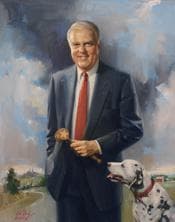
F. James Sensenbrenner
Republican Representative
Wisconsin
Cosponsors (44)
Steve Chabot (Republican)Mia B. Love (Republican)Tim Ryan (Democratic)Marcy Kaptur (Democratic)Robert C. "Bobby" Scott (Democratic)Robin L. Kelly (Democratic)Scott Taylor (Republican)Steve Stivers (Republican)David N. Cicilline (Democratic)Brian Higgins (Democratic)Sheila Jackson Lee (Democratic)Bobby L. Rush (Democratic)Steve Cohen (Democratic)Suzan K. DelBene (Democratic)Doug Collins (Republican)John P. Sarbanes (Democratic)Wm. Lacy Clay (Democratic)Carlos Curbelo (Republican)Danny K. Davis (Democratic)Michelle Lujan Grisham (Democratic)Alan S. Lowenthal (Democratic)Ann M. Kuster (Democratic)André Carson (Democratic)Mark DeSaulnier (Democratic)John Conyers (Democratic)Rodney Davis (Republican)Hakeem S. Jeffries (Democratic)Jerrold Nadler (Democratic)Glenn Grothman (Republican)Eleanor Holmes Norton (Democratic)Jason Lewis (Republican)Mark Walker (Republican)Tom Marino (Republican)Jamie Raskin (Democratic)Elijah E. Cummings (Democratic)Janice D. Schakowsky (Democratic)Michael R. Turner (Republican)Adam Smith (Democratic)Peter Welch (Democratic)Bob Goodlatte (Republican)Gwen Moore (Democratic)Jimmy Gomez (Democratic)Bill Johnson (Republican)Barbara Comstock (Republican)
Crime and Federal Government Surveillance Subcommittee, Judiciary Committee
- Introduced
- In Committee
- On Floor
- Passed Chamber
- Enacted
Second Chance Reauthorization Act of 2017 This bill amends the Omnibus Crime Control and Safe Streets Act of 1968 to: revise and reauthorize grant programs for offender reentry demonstration projects; family-based substance abuse treatment; and evaluating and improving educational methods at prisons, jails, and juvenile facilities; and repeal grant programs for offender reentry courts and drug treatment alternatives to incarceration. Additionally, the legislation amends the Second Chance Act of 2007 to: rename, revise, and reauthorize grant programs for technology career training demonstration projects and reentry mentoring services, reauthorize offender reentry research and the grant program for offender reentry substance abuse and criminal justice collaboration, reauthorize and modify eligibility for an elderly offender early release pilot program, and repeal grant programs for the responsible reintegration of offenders and the study of Depot Naltrexone to treat heroin addiction. It amends the federal criminal code to establish partnerships between prisons and faith- or community-based nonprofit organizations to conduct activities to reduce recidivism. The Department of Justice (DOJ) Office of Inspector General must conduct annual audits of selected grant recipients to prevent waste, fraud, and abuse of funds. The bill prohibits grants to nonprofit organizations that hold money in an offshore account to avoid tax liability. It also prohibits a grantee from using grant funds to lobby DOJ or a state, local, or tribal government regarding the award of grant funding. DOJ, in collaboration with interested persons, providers, and organizations, and state, local, and tribal governments, must coordinate and report to Congress on federal reentry programs, policies, and practices. The bill limits the use of grants for conferences that use more than $20,000 in DOJ funds.
View Full TextSuggested Questions
Get AI-generated questions to help you understand this bill better
Timeline
Introduced in House
Referred to the House Committee on the Judiciary.
Referred to the Subcommittee on Crime, Terrorism, Homeland Security, and Investigations.
Committee Consideration and Mark-up Session Held.
Crime and Law Enforcement
Accounting and auditingAdministrative law and regulatory proceduresAdult education and literacyCongressional oversightCorrectional facilities and imprisonmentCrime preventionCrime victimsCriminal investigation, prosecution, interrogationCriminal procedure and sentencingDepartment of JusticeDrug, alcohol, tobacco useDrug therapyElementary and secondary educationEmergency medical services and trauma careEmployment and training programsExecutive agency funding and structureFamily servicesFraud offenses and financial crimesGovernment studies and investigationsHealth care coverage and accessHomelessness and emergency shelterIndian social and development programsJuvenile crime and gang violenceLaw enforcement administration and fundingLow- and moderate-income housingMental healthPerformance measurementPoverty and welfare assistanceResearch administration and fundingSocial work, volunteer service, charitable organizationsState and local courtsVeterans' education, employment, rehabilitationVeterans' loans, housing, homeless programsVeterans' medical careVeterans' pensions and compensationVocational and technical education
To reauthorize the Second Chance Act of 2007.
USA115th CongressHR-2899| House
| Updated: 9/13/2018
Second Chance Reauthorization Act of 2017 This bill amends the Omnibus Crime Control and Safe Streets Act of 1968 to: revise and reauthorize grant programs for offender reentry demonstration projects; family-based substance abuse treatment; and evaluating and improving educational methods at prisons, jails, and juvenile facilities; and repeal grant programs for offender reentry courts and drug treatment alternatives to incarceration. Additionally, the legislation amends the Second Chance Act of 2007 to: rename, revise, and reauthorize grant programs for technology career training demonstration projects and reentry mentoring services, reauthorize offender reentry research and the grant program for offender reentry substance abuse and criminal justice collaboration, reauthorize and modify eligibility for an elderly offender early release pilot program, and repeal grant programs for the responsible reintegration of offenders and the study of Depot Naltrexone to treat heroin addiction. It amends the federal criminal code to establish partnerships between prisons and faith- or community-based nonprofit organizations to conduct activities to reduce recidivism. The Department of Justice (DOJ) Office of Inspector General must conduct annual audits of selected grant recipients to prevent waste, fraud, and abuse of funds. The bill prohibits grants to nonprofit organizations that hold money in an offshore account to avoid tax liability. It also prohibits a grantee from using grant funds to lobby DOJ or a state, local, or tribal government regarding the award of grant funding. DOJ, in collaboration with interested persons, providers, and organizations, and state, local, and tribal governments, must coordinate and report to Congress on federal reentry programs, policies, and practices. The bill limits the use of grants for conferences that use more than $20,000 in DOJ funds.
View Full TextSuggested Questions
Get AI-generated questions to help you understand this bill better
Timeline
Introduced in House
Referred to the House Committee on the Judiciary.
Referred to the Subcommittee on Crime, Terrorism, Homeland Security, and Investigations.
Committee Consideration and Mark-up Session Held.
F. James Sensenbrenner
Republican Representative
Wisconsin
Cosponsors (44)
Steve Chabot (Republican)Mia B. Love (Republican)Tim Ryan (Democratic)Marcy Kaptur (Democratic)Robert C. "Bobby" Scott (Democratic)Robin L. Kelly (Democratic)Scott Taylor (Republican)Steve Stivers (Republican)David N. Cicilline (Democratic)Brian Higgins (Democratic)Sheila Jackson Lee (Democratic)Bobby L. Rush (Democratic)Steve Cohen (Democratic)Suzan K. DelBene (Democratic)Doug Collins (Republican)John P. Sarbanes (Democratic)Wm. Lacy Clay (Democratic)Carlos Curbelo (Republican)Danny K. Davis (Democratic)Michelle Lujan Grisham (Democratic)Alan S. Lowenthal (Democratic)Ann M. Kuster (Democratic)André Carson (Democratic)Mark DeSaulnier (Democratic)John Conyers (Democratic)Rodney Davis (Republican)Hakeem S. Jeffries (Democratic)Jerrold Nadler (Democratic)Glenn Grothman (Republican)Eleanor Holmes Norton (Democratic)Jason Lewis (Republican)Mark Walker (Republican)Tom Marino (Republican)Jamie Raskin (Democratic)Elijah E. Cummings (Democratic)Janice D. Schakowsky (Democratic)Michael R. Turner (Republican)Adam Smith (Democratic)Peter Welch (Democratic)Bob Goodlatte (Republican)Gwen Moore (Democratic)Jimmy Gomez (Democratic)Bill Johnson (Republican)Barbara Comstock (Republican)
Crime and Federal Government Surveillance Subcommittee, Judiciary Committee
Crime and Law Enforcement
Related Bills
- Introduced
- In Committee
- On Floor
- Passed Chamber
- Enacted
Accounting and auditingAdministrative law and regulatory proceduresAdult education and literacyCongressional oversightCorrectional facilities and imprisonmentCrime preventionCrime victimsCriminal investigation, prosecution, interrogationCriminal procedure and sentencingDepartment of JusticeDrug, alcohol, tobacco useDrug therapyElementary and secondary educationEmergency medical services and trauma careEmployment and training programsExecutive agency funding and structureFamily servicesFraud offenses and financial crimesGovernment studies and investigationsHealth care coverage and accessHomelessness and emergency shelterIndian social and development programsJuvenile crime and gang violenceLaw enforcement administration and fundingLow- and moderate-income housingMental healthPerformance measurementPoverty and welfare assistanceResearch administration and fundingSocial work, volunteer service, charitable organizationsState and local courtsVeterans' education, employment, rehabilitationVeterans' loans, housing, homeless programsVeterans' medical careVeterans' pensions and compensationVocational and technical education