To repeal the exemption for hydraulic fracturing in the Safe Drinking Water Act, and for other purposes.
USA115th CongressHR-2012| House
| Updated: 4/7/2017
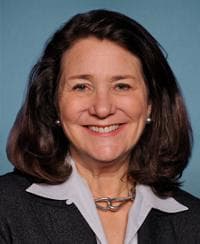
Diana DeGette
Democratic Representative
Colorado
Cosponsors (62)
Dwight Evans (Democratic)Tim Ryan (Democratic)Jared Huffman (Democratic)Robert C. "Bobby" Scott (Democratic)Adam B. Schiff (Democratic)Barbara Lee (Democratic)Nita M. Lowey (Democratic)Joseph P. Kennedy (Democratic)Raúl M. Grijalva (Democratic)Mark Pocan (Democratic)Jackie Speier (Democratic)Darren Soto (Democratic)John A. Yarmuth (Democratic)Carolyn B. Maloney (Democratic)Pete Aguilar (Democratic)Eliot L. Engel (Democratic)Eric Swalwell (Democratic)Niki Tsongas (Democratic)Katherine M. Clark (Democratic)Steve Cohen (Democratic)Paul Tonko (Democratic)John P. Sarbanes (Democratic)Michael E. Capuano (Democratic)Peter A. DeFazio (Democratic)Daniel T. Kildee (Democratic)Ted Lieu (Democratic)Ro Khanna (Democratic)Alan S. Lowenthal (Democratic)Matt Cartwright (Democratic)Jerrold Nadler (Democratic)Sander M. Levin (Democratic)Anna G. Eshoo (Democratic)Mark Takano (Democratic)Kathy Castor (Democratic)Betty McCollum (Democratic)Eleanor Holmes Norton (Democratic)Jamie Raskin (Democratic)Elijah E. Cummings (Democratic)Mike Quigley (Democratic)Donald S. Beyer (Democratic)Louise McIntosh Slaughter (Democratic)Janice D. Schakowsky (Democratic)James P. McGovern (Democratic)Maxine Waters (Democratic)Adam Smith (Democratic)William R. Keating (Democratic)Eddie Bernice Johnson (Democratic)Jose E. Serrano (Democratic)Jared Polis (Democratic)Peter Welch (Democratic)Earl Blumenauer (Democratic)Seth Moulton (Democratic)Suzanne Bonamici (Democratic)Zoe Lofgren (Democratic)Nanette Diaz Barragán (Democratic)Frank Pallone (Democratic)Grace Meng (Democratic)Alcee L. Hastings (Democratic)Gerald E. Connolly (Democratic)Chellie Pingree (Democratic)Grace F. Napolitano (Democratic)Judy Chu (Democratic)
Environment Subcommittee, Energy and Commerce Committee
- Introduced
- In Committee
- On Floor
- Passed Chamber
- Enacted
Fracturing Responsibility and Awareness of Chemicals Act of 2017 This bill repeals the exemption for hydraulic fracturing operations related to oil, gas, or geothermal production activities under the Safe Drinking Water Act. Hydraulic fracturing, or fracking, is a process to extract underground resources such as oil or gas from a geologic formation by injecting water, a propping agent (e.g., sand), and chemical additives into a well under enough pressure to fracture the geological formation. The chemicals intended for use in underground injections must be disclosed before the hydraulic fracturing operations commence. The chemicals actually used must also be disclosed at the end of the operations. The disclosure must be made to state underground injection programs or the Environmental Protection Agency (EPA) if the EPA has primary enforcement responsibility in the state. The state or the EPA must make the disclosure available to the public. When a medical emergency exists and the proprietary chemical formula of a chemical used in the operations is necessary for medical treatment, hydraulic fracturing operations must disclose the formula or the specific chemical identity of a trade secret chemical to the state, the EPA, or the treating physician or nurse upon request, regardless of whether a written statement of need or a confidentiality agreement has been provided. Hydraulic fracturing operations may require a written statement of need and a confidentiality agreement as soon thereafter as circumstances permit.
View Full TextSuggested Questions
Get AI-generated questions to help you understand this bill better
Timeline
Introduced in House
Referred to the House Committee on Energy and Commerce.
Referred to the Subcommittee on Environment.
Environmental Protection
Administrative law and regulatory proceduresAlternative and renewable resourcesBusiness recordsEmergency medical services and trauma careEnvironmental Protection Agency (EPA)Environmental regulatory proceduresGovernment information and archivesHazardous wastes and toxic substancesOil and gasWater qualityWater use and supply
To repeal the exemption for hydraulic fracturing in the Safe Drinking Water Act, and for other purposes.
USA115th CongressHR-2012| House
| Updated: 4/7/2017
Fracturing Responsibility and Awareness of Chemicals Act of 2017 This bill repeals the exemption for hydraulic fracturing operations related to oil, gas, or geothermal production activities under the Safe Drinking Water Act. Hydraulic fracturing, or fracking, is a process to extract underground resources such as oil or gas from a geologic formation by injecting water, a propping agent (e.g., sand), and chemical additives into a well under enough pressure to fracture the geological formation. The chemicals intended for use in underground injections must be disclosed before the hydraulic fracturing operations commence. The chemicals actually used must also be disclosed at the end of the operations. The disclosure must be made to state underground injection programs or the Environmental Protection Agency (EPA) if the EPA has primary enforcement responsibility in the state. The state or the EPA must make the disclosure available to the public. When a medical emergency exists and the proprietary chemical formula of a chemical used in the operations is necessary for medical treatment, hydraulic fracturing operations must disclose the formula or the specific chemical identity of a trade secret chemical to the state, the EPA, or the treating physician or nurse upon request, regardless of whether a written statement of need or a confidentiality agreement has been provided. Hydraulic fracturing operations may require a written statement of need and a confidentiality agreement as soon thereafter as circumstances permit.
View Full TextSuggested Questions
Get AI-generated questions to help you understand this bill better
Timeline
Introduced in House
Referred to the House Committee on Energy and Commerce.
Referred to the Subcommittee on Environment.
Diana DeGette
Democratic Representative
Colorado
Cosponsors (62)
Dwight Evans (Democratic)Tim Ryan (Democratic)Jared Huffman (Democratic)Robert C. "Bobby" Scott (Democratic)Adam B. Schiff (Democratic)Barbara Lee (Democratic)Nita M. Lowey (Democratic)Joseph P. Kennedy (Democratic)Raúl M. Grijalva (Democratic)Mark Pocan (Democratic)Jackie Speier (Democratic)Darren Soto (Democratic)John A. Yarmuth (Democratic)Carolyn B. Maloney (Democratic)Pete Aguilar (Democratic)Eliot L. Engel (Democratic)Eric Swalwell (Democratic)Niki Tsongas (Democratic)Katherine M. Clark (Democratic)Steve Cohen (Democratic)Paul Tonko (Democratic)John P. Sarbanes (Democratic)Michael E. Capuano (Democratic)Peter A. DeFazio (Democratic)Daniel T. Kildee (Democratic)Ted Lieu (Democratic)Ro Khanna (Democratic)Alan S. Lowenthal (Democratic)Matt Cartwright (Democratic)Jerrold Nadler (Democratic)Sander M. Levin (Democratic)Anna G. Eshoo (Democratic)Mark Takano (Democratic)Kathy Castor (Democratic)Betty McCollum (Democratic)Eleanor Holmes Norton (Democratic)Jamie Raskin (Democratic)Elijah E. Cummings (Democratic)Mike Quigley (Democratic)Donald S. Beyer (Democratic)Louise McIntosh Slaughter (Democratic)Janice D. Schakowsky (Democratic)James P. McGovern (Democratic)Maxine Waters (Democratic)Adam Smith (Democratic)William R. Keating (Democratic)Eddie Bernice Johnson (Democratic)Jose E. Serrano (Democratic)Jared Polis (Democratic)Peter Welch (Democratic)Earl Blumenauer (Democratic)Seth Moulton (Democratic)Suzanne Bonamici (Democratic)Zoe Lofgren (Democratic)Nanette Diaz Barragán (Democratic)Frank Pallone (Democratic)Grace Meng (Democratic)Alcee L. Hastings (Democratic)Gerald E. Connolly (Democratic)Chellie Pingree (Democratic)Grace F. Napolitano (Democratic)Judy Chu (Democratic)
Environment Subcommittee, Energy and Commerce Committee
Environmental Protection
Related Bills
- HR 115-6768: To re-establish certain hydraulic fracturing chemical disclosure rules, standards for well construction, and waste management rules, and for other purposes.
- HR 115-1068: To enable needed drinking water standards, reduce lead in drinking water, plan for and address threats from climate change, terrorism, and source water contamination, invest in drinking water infrastructure, increase compliance with drinking water standards, foster greater community right to know about drinking water quality, and promote technological solutions for drinking water challenges.
- HR 115-4426: To reform Federal onshore and offshore fossil fuel leasing, exploration, and development; promote renewable energy on public lands; prepare for the impacts of climate change; increase industry accountability; improve returns to taxpayers for the development of Federal energy resources; and protect special places, and for other purposes.
- Introduced
- In Committee
- On Floor
- Passed Chamber
- Enacted
Administrative law and regulatory proceduresAlternative and renewable resourcesBusiness recordsEmergency medical services and trauma careEnvironmental Protection Agency (EPA)Environmental regulatory proceduresGovernment information and archivesHazardous wastes and toxic substancesOil and gasWater qualityWater use and supply