To reform Federal onshore and offshore fossil fuel leasing, exploration, and development; promote renewable energy on public lands; prepare for the impacts of climate change; increase industry accountability; improve returns to taxpayers for the development of Federal energy resources; and protect special places, and for other purposes.
USA115th CongressHR-4426| House
| Updated: 5/22/2018
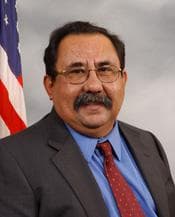
Raúl M. Grijalva
Democratic Representative
Arizona
Cosponsors (34)
Val Butler Demings (Democratic)Ruben Gallego (Democratic)Jared Huffman (Democratic)Barbara Lee (Democratic)Darren Soto (Democratic)Sheila Jackson Lee (Democratic)Madeleine Z. Bordallo (Democratic)Frederica S. Wilson (Democratic)Niki Tsongas (Democratic)Wm. Lacy Clay (Democratic)Lucille Roybal-Allard (Democratic)Ro Khanna (Democratic)A. Donald McEachin (Democratic)Alan S. Lowenthal (Democratic)Matt Cartwright (Democratic)Mark DeSaulnier (Democratic)Keith Ellison (Democratic)John Lewis (Democratic)Anna G. Eshoo (Democratic)Eleanor Holmes Norton (Democratic)Jamie Raskin (Democratic)Mike Quigley (Democratic)Donald S. Beyer (Democratic)Janice D. Schakowsky (Democratic)Nydia M. Velázquez (Democratic)Jerry McNerney (Democratic)Jared Polis (Democratic)Bennie G. Thompson (Democratic)Zoe Lofgren (Democratic)Nanette Diaz Barragán (Democratic)Jimmy Gomez (Democratic)Gerald E. Connolly (Democratic)Grace F. Napolitano (Democratic)Judy Chu (Democratic)
Committees (16)
• Federal Lands Subcommittee• Transportation and Infrastructure Committee• Forestry and Horticulture Subcommittee• Environment Subcommittee• Energy and Mineral Resources Subcommittee• Ways and Means Committee• Indian and Insular Affairs Subcommittee• Energy Subcommittee• Agriculture Committee• Water Resources and Environment Subcommittee• Economic Development, Public Buildings, and Emergency Management Subcommittee• Science, Space, and Technology Committee• Energy and Commerce Committee• Education and Workforce Committee• Coast Guard and Maritime Transportation Subcommittee• Natural Resources Committee
- Introduced
- In Committee
- On Floor
- Passed Chamber
- Enacted
Sustainable Energy Development Reform Act This bill addresses sustainable energy development, including to (1) increase royalty rates and penalties for oil and gas leasing; (2) increase the amount of renewable energy on public land and waters; (3) prepare and manage for the impacts of climate change; (4) revise the onshore and offshore fossil fuel leasing, exploration, and development program; and (5) include the Arctic National Wildlife Refuge as a component of the National Wilderness Preservation System and reauthorize the Land and Water Conservation Fund. Having Open Access to Relevant Data Act or the Hoard Act The bill requires the Department of the Interior to submit to Congress a report on the number and age of unused approved oil and gas drilling permits and the average cost to the Bureau of Land Management of approving such permits.
View Full TextSuggested Questions
Get AI-generated questions to help you understand this bill better
Timeline
Introduced in House
Referred to the Committee on Natural Resources, and in addition to the Committees on Energy and Commerce, Transportation and Infrastructure, Agriculture, Education and the Workforce, Ways and Means, and Science, Space, and Technology, for a period to be subsequently determined by the Speaker, in each case for consideration of such provisions as fall within the jurisdiction of the committee concerned.
Referred to the Subcommittee on Environment.
Referred to the Subcommittee on Coast Guard and Maritime Transportation.
Referred to the Subcommittee on Economic Development, Public Buildings and Emergency Management.
Referred to the Subcommittee on Water Resources and Environment.
Referred to the Subcommittee on Indian, Insular and Alaska Native Affairs.
Referred to the Subcommittee on Energy and Mineral Resources.
Referred to the Subcommittee on Federal Lands.
Referred to the Subcommittee on Conservation and Forestry.
Referred to the Subcommittee on Energy.
Energy
Administrative law and regulatory proceduresAdministrative remediesAdvisory bodiesAir qualityAlternative and renewable resourcesAsiaAtmospheric science and weatherBuilding constructionBusiness recordsCensus and government statisticsClimate change and greenhouse gasesCoalCongressional oversightCustoms enforcementDepartment of CommerceDepartment of EnergyDepartment of the InteriorEcologyEconomic developmentEmergency medical services and trauma careEmergency planning and evacuationEmployee benefits and pensionsEmployment and training programsEnergy efficiency and conservationEnergy revenues and royaltiesEnvironmental assessment, monitoring, researchEnvironmental Protection Agency (EPA)Environmental regulatory proceduresExecutive agency funding and structureForests, forestry, treesFree trade and trade barriersGovernment buildings, facilities, and propertyGovernment information and archivesGreat LakesHazardous wastes and toxic substancesHistorical and cultural resourcesHousing and community development fundingHunting and fishingIndian lands and resources rightsIndian social and development programsLand transfersLand use and conservationLicensing and registrationsMarine and coastal resources, fisheriesMarine pollutionMiningMinority employmentMuseums, exhibitions, cultural centersNational and community serviceNatural disastersOil and gasOutdoor recreationParks, recreation areas, trailsSales and excise taxesScientific communicationSeashores and lakeshoresSoil pollutionSolid waste and recyclingSouth KoreaState and local financeState and local government operationsTax administration and collection, taxpayersTrade agreements and negotiationsTravel and tourismUser charges and feesWater qualityWater use and supplyWilderness and natural areas, wildlife refuges, wild rivers, habitatsWildlife conservation and habitat protectionYouth employment and child labor
To reform Federal onshore and offshore fossil fuel leasing, exploration, and development; promote renewable energy on public lands; prepare for the impacts of climate change; increase industry accountability; improve returns to taxpayers for the development of Federal energy resources; and protect special places, and for other purposes.
USA115th CongressHR-4426| House
| Updated: 5/22/2018
Sustainable Energy Development Reform Act This bill addresses sustainable energy development, including to (1) increase royalty rates and penalties for oil and gas leasing; (2) increase the amount of renewable energy on public land and waters; (3) prepare and manage for the impacts of climate change; (4) revise the onshore and offshore fossil fuel leasing, exploration, and development program; and (5) include the Arctic National Wildlife Refuge as a component of the National Wilderness Preservation System and reauthorize the Land and Water Conservation Fund. Having Open Access to Relevant Data Act or the Hoard Act The bill requires the Department of the Interior to submit to Congress a report on the number and age of unused approved oil and gas drilling permits and the average cost to the Bureau of Land Management of approving such permits.
View Full TextSuggested Questions
Get AI-generated questions to help you understand this bill better
Timeline
Introduced in House
Referred to the Committee on Natural Resources, and in addition to the Committees on Energy and Commerce, Transportation and Infrastructure, Agriculture, Education and the Workforce, Ways and Means, and Science, Space, and Technology, for a period to be subsequently determined by the Speaker, in each case for consideration of such provisions as fall within the jurisdiction of the committee concerned.
Referred to the Subcommittee on Environment.
Referred to the Subcommittee on Coast Guard and Maritime Transportation.
Referred to the Subcommittee on Economic Development, Public Buildings and Emergency Management.
Referred to the Subcommittee on Water Resources and Environment.
Referred to the Subcommittee on Indian, Insular and Alaska Native Affairs.
Referred to the Subcommittee on Energy and Mineral Resources.
Referred to the Subcommittee on Federal Lands.
Referred to the Subcommittee on Conservation and Forestry.
Referred to the Subcommittee on Energy.
Raúl M. Grijalva
Democratic Representative
Arizona
Cosponsors (34)
Val Butler Demings (Democratic)Ruben Gallego (Democratic)Jared Huffman (Democratic)Barbara Lee (Democratic)Darren Soto (Democratic)Sheila Jackson Lee (Democratic)Madeleine Z. Bordallo (Democratic)Frederica S. Wilson (Democratic)Niki Tsongas (Democratic)Wm. Lacy Clay (Democratic)Lucille Roybal-Allard (Democratic)Ro Khanna (Democratic)A. Donald McEachin (Democratic)Alan S. Lowenthal (Democratic)Matt Cartwright (Democratic)Mark DeSaulnier (Democratic)Keith Ellison (Democratic)John Lewis (Democratic)Anna G. Eshoo (Democratic)Eleanor Holmes Norton (Democratic)Jamie Raskin (Democratic)Mike Quigley (Democratic)Donald S. Beyer (Democratic)Janice D. Schakowsky (Democratic)Nydia M. Velázquez (Democratic)Jerry McNerney (Democratic)Jared Polis (Democratic)Bennie G. Thompson (Democratic)Zoe Lofgren (Democratic)Nanette Diaz Barragán (Democratic)Jimmy Gomez (Democratic)Gerald E. Connolly (Democratic)Grace F. Napolitano (Democratic)Judy Chu (Democratic)
Committees (16)
• Federal Lands Subcommittee• Transportation and Infrastructure Committee• Forestry and Horticulture Subcommittee• Environment Subcommittee• Energy and Mineral Resources Subcommittee• Ways and Means Committee• Indian and Insular Affairs Subcommittee• Energy Subcommittee• Agriculture Committee• Water Resources and Environment Subcommittee• Economic Development, Public Buildings, and Emergency Management Subcommittee• Science, Space, and Technology Committee• Energy and Commerce Committee• Education and Workforce Committee• Coast Guard and Maritime Transportation Subcommittee• Natural Resources Committee
Energy
Related Bills
- HR 115-502: Land and Water Conservation Fund Reauthorization and Fairness Act
- HR 115-4568: Enhancing Geothermal Production on Federal Lands Act
- HR 115-3913: To amend the Surface Mining Control and Reclamation Act of 1977 to transfer certain funds to the 1974 United Mine Workers of America Pension Plan, and for other purposes.
- S 115-1911: A bill to amend the Surface Mining Control and Reclamation Act of 1977 to transfer certain funds to the 1974 United Mine Workers of America Pension Plan, and for other purposes.
- HR 115-6768: To re-establish certain hydraulic fracturing chemical disclosure rules, standards for well construction, and waste management rules, and for other purposes.
- HR 115-2713: To amend the Surface Mining Control and Reclamation Act of 1977 to transfer certain funds to the 1974 United Mine Workers of America Pension Plan, and for other purposes.
- HR 115-4490: To establish an integrated national approach to respond to ongoing and expected effects of extreme weather and climate change by protecting, managing, and conserving the fish, wildlife, and plants of the United States, and to maximize Government efficiency and reduce costs, in cooperation with State, local, and Tribal Governments and other entities, and for other purposes.
- HR 115-1731: RECLAIM Act of 2017
- HR 115-4103: To require the Secretary of the Interior to submit an annual report to Congress on certain statistics related to applications for a permit to drill an oil or gas well, and for other purposes.
- HR 115-825: Public Land Renewable Energy Development Act of 2017
- Introduced
- In Committee
- On Floor
- Passed Chamber
- Enacted
Administrative law and regulatory proceduresAdministrative remediesAdvisory bodiesAir qualityAlternative and renewable resourcesAsiaAtmospheric science and weatherBuilding constructionBusiness recordsCensus and government statisticsClimate change and greenhouse gasesCoalCongressional oversightCustoms enforcementDepartment of CommerceDepartment of EnergyDepartment of the InteriorEcologyEconomic developmentEmergency medical services and trauma careEmergency planning and evacuationEmployee benefits and pensionsEmployment and training programsEnergy efficiency and conservationEnergy revenues and royaltiesEnvironmental assessment, monitoring, researchEnvironmental Protection Agency (EPA)Environmental regulatory proceduresExecutive agency funding and structureForests, forestry, treesFree trade and trade barriersGovernment buildings, facilities, and propertyGovernment information and archivesGreat LakesHazardous wastes and toxic substancesHistorical and cultural resourcesHousing and community development fundingHunting and fishingIndian lands and resources rightsIndian social and development programsLand transfersLand use and conservationLicensing and registrationsMarine and coastal resources, fisheriesMarine pollutionMiningMinority employmentMuseums, exhibitions, cultural centersNational and community serviceNatural disastersOil and gasOutdoor recreationParks, recreation areas, trailsSales and excise taxesScientific communicationSeashores and lakeshoresSoil pollutionSolid waste and recyclingSouth KoreaState and local financeState and local government operationsTax administration and collection, taxpayersTrade agreements and negotiationsTravel and tourismUser charges and feesWater qualityWater use and supplyWilderness and natural areas, wildlife refuges, wild rivers, habitatsWildlife conservation and habitat protectionYouth employment and child labor