A resolution designating the week of April 20 through 26, 2026, as "National Dark Sky Week".
USA119th CongressSRES-701| Senate
| Updated: 4/29/2026
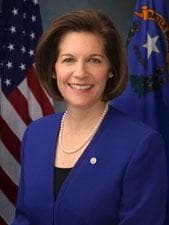
Catherine Cortez Masto
Democratic Senator
Nevada
- Introduced
- In Committee
- On Floor
- Passed Chamber
- Enacted
This resolution officially designates the week of April 20 through 26, 2026 , as "National Dark Sky Week." The designation aims to highlight the importance of preserving the natural night sky for various reasons, including outdoor recreation, stargazing, cultural heritage, and scientific discovery. It encourages Federal agencies to coordinate efforts to expand safe and informative dark skies opportunities, supporting local communities and all people of the United States. Furthermore, the resolution calls upon communities, educators, scientists, and local governments to raise awareness about the value of dark skies. It also promotes that individuals and organizations adopt responsible outdoor lighting practices to mitigate light pollution, which can disrupt wildlife, waste energy, and obscure celestial phenomena.
View Full TextSuggested Questions
Get AI-generated questions to help you understand this bill better
Timeline
Submitted in the Senate, considered, and agreed to without amendment and with a preamble by Unanimous Consent.
Submitted in the Senate, considered, and agreed to without amendment and with a preamble by Unanimous Consent. (consideration: CR S2109; text: CR S2134-2135)
Passed/agreed to in Senate: Submitted in the Senate, considered, and agreed to without amendment and with a preamble by Unanimous Consent.
Environmental Protection
Atmospheric science and weatherEnvironmental educationLighting, heating, cooling
A resolution designating the week of April 20 through 26, 2026, as "National Dark Sky Week".
USA119th CongressSRES-701| Senate
| Updated: 4/29/2026
This resolution officially designates the week of April 20 through 26, 2026 , as "National Dark Sky Week." The designation aims to highlight the importance of preserving the natural night sky for various reasons, including outdoor recreation, stargazing, cultural heritage, and scientific discovery. It encourages Federal agencies to coordinate efforts to expand safe and informative dark skies opportunities, supporting local communities and all people of the United States. Furthermore, the resolution calls upon communities, educators, scientists, and local governments to raise awareness about the value of dark skies. It also promotes that individuals and organizations adopt responsible outdoor lighting practices to mitigate light pollution, which can disrupt wildlife, waste energy, and obscure celestial phenomena.
View Full TextSuggested Questions
Get AI-generated questions to help you understand this bill better
Timeline
Submitted in the Senate, considered, and agreed to without amendment and with a preamble by Unanimous Consent.
Submitted in the Senate, considered, and agreed to without amendment and with a preamble by Unanimous Consent. (consideration: CR S2109; text: CR S2134-2135)
Passed/agreed to in Senate: Submitted in the Senate, considered, and agreed to without amendment and with a preamble by Unanimous Consent.
Catherine Cortez Masto
Democratic Senator
Nevada
Environmental Protection
- Introduced
- In Committee
- On Floor
- Passed Chamber
- Enacted
Atmospheric science and weatherEnvironmental educationLighting, heating, cooling