A resolution recognizing June 2025, as "LGBTQ Pride Month".
USA119th CongressSRES-312| Senate
| Updated: 7/9/2025
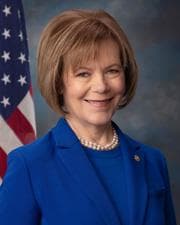
Tina Smith
Democratic Senator
Minnesota
Cosponsors (45)
Jeanne Shaheen (Democratic)Mazie K. Hirono (Democratic)Angela D. Alsobrooks (Democratic)Tammy Duckworth (Democratic)Margaret Wood Hassan (Democratic)Ruben Gallego (Democratic)Adam B. Schiff (Democratic)Jon Ossoff (Democratic)Catherine Cortez Masto (Democratic)Richard J. Durbin (Democratic)Edward J. Markey (Democratic)Lisa Blunt Rochester (Democratic)Jack Reed (Democratic)Kirsten E. Gillibrand (Democratic)Elizabeth Warren (Democratic)Ben Ray Luján (Democratic)Alex Padilla (Democratic)Christopher A. Coons (Democratic)Mark R. Warner (Democratic)Angus S. King (Independent)Amy Klobuchar (Democratic)John W. Hickenlooper (Democratic)Tim Kaine (Democratic)Sheldon Whitehouse (Democratic)Jacky Rosen (Democratic)Chris Van Hollen (Democratic)Christopher Murphy (Democratic)Martin Heinrich (Democratic)Michael F. Bennet (Democratic)Patty Murray (Democratic)John Fetterman (Democratic)Bernard Sanders (Independent)Brian Schatz (Democratic)Andy Kim (Democratic)Maria Cantwell (Democratic)Tammy Baldwin (Democratic)Cory A. Booker (Democratic)Peter Welch (Democratic)Jeff Merkley (Democratic)Elissa Slotkin (Democratic)Raphael G. Warnock (Democratic)Gary C. Peters (Democratic)Ron Wyden (Democratic)Richard Blumenthal (Democratic)Mark Kelly (Democratic)
Judiciary Committee
- Introduced
- In Committee
- On Floor
- Passed Chamber
- Enacted
This Senate Resolution formally recognizes June 2025 as "LGBTQ Pride Month" , aiming to celebrate the significant contributions of lesbian, gay, bisexual, transgender, and queer individuals across all sectors of American society. It highlights their diverse presence and the enrichment they bring to the nation's culture and progress, despite a history of marginalization and systemic injustice. The resolution details the historical struggles faced by the LGBTQ community, including the "Lavender Scare" and "Don't Ask, Don't Tell" policies, which led to numerous dismissals from federal service and the military. It also recalls the criminalization of same-sex relationships, the devastating impact of the HIV epidemic, and ongoing disparities in employment, healthcare, and housing, noting that many states lack explicit anti-discrimination protections and face a disproportionate risk of violence and hate crimes. Significant legal milestones are recognized, including the Supreme Court's rulings in Obergefell v. Hodges affirming marriage equality and Bostock v. Clayton County prohibiting employment discrimination, alongside the enactment of the Respect for Marriage Act. Ultimately, the Senate resolves to support the rights, freedoms, and equal treatment of LGBTQ individuals both domestically and globally, affirming that LGBTQ rights are human rights and encouraging the celebration of Pride Month to understand their struggles and honor their contributions.
View Full TextSuggested Questions
Get AI-generated questions to help you understand this bill better
Timeline
Introduced in Senate
Referred to the Committee on the Judiciary.
Referred to the Committee on the Judiciary. (text: CR S4084-4085)
Star Print ordered on the resolution.
Civil Rights and Liberties, Minority Issues
Commemorative events and holidaysSex, gender, sexual orientation discrimination
A resolution recognizing June 2025, as "LGBTQ Pride Month".
USA119th CongressSRES-312| Senate
| Updated: 7/9/2025
This Senate Resolution formally recognizes June 2025 as "LGBTQ Pride Month" , aiming to celebrate the significant contributions of lesbian, gay, bisexual, transgender, and queer individuals across all sectors of American society. It highlights their diverse presence and the enrichment they bring to the nation's culture and progress, despite a history of marginalization and systemic injustice. The resolution details the historical struggles faced by the LGBTQ community, including the "Lavender Scare" and "Don't Ask, Don't Tell" policies, which led to numerous dismissals from federal service and the military. It also recalls the criminalization of same-sex relationships, the devastating impact of the HIV epidemic, and ongoing disparities in employment, healthcare, and housing, noting that many states lack explicit anti-discrimination protections and face a disproportionate risk of violence and hate crimes. Significant legal milestones are recognized, including the Supreme Court's rulings in Obergefell v. Hodges affirming marriage equality and Bostock v. Clayton County prohibiting employment discrimination, alongside the enactment of the Respect for Marriage Act. Ultimately, the Senate resolves to support the rights, freedoms, and equal treatment of LGBTQ individuals both domestically and globally, affirming that LGBTQ rights are human rights and encouraging the celebration of Pride Month to understand their struggles and honor their contributions.
View Full TextSuggested Questions
Get AI-generated questions to help you understand this bill better
Timeline
Introduced in Senate
Referred to the Committee on the Judiciary.
Referred to the Committee on the Judiciary. (text: CR S4084-4085)
Star Print ordered on the resolution.
Tina Smith
Democratic Senator
Minnesota
Cosponsors (45)
Jeanne Shaheen (Democratic)Mazie K. Hirono (Democratic)Angela D. Alsobrooks (Democratic)Tammy Duckworth (Democratic)Margaret Wood Hassan (Democratic)Ruben Gallego (Democratic)Adam B. Schiff (Democratic)Jon Ossoff (Democratic)Catherine Cortez Masto (Democratic)Richard J. Durbin (Democratic)Edward J. Markey (Democratic)Lisa Blunt Rochester (Democratic)Jack Reed (Democratic)Kirsten E. Gillibrand (Democratic)Elizabeth Warren (Democratic)Ben Ray Luján (Democratic)Alex Padilla (Democratic)Christopher A. Coons (Democratic)Mark R. Warner (Democratic)Angus S. King (Independent)Amy Klobuchar (Democratic)John W. Hickenlooper (Democratic)Tim Kaine (Democratic)Sheldon Whitehouse (Democratic)Jacky Rosen (Democratic)Chris Van Hollen (Democratic)Christopher Murphy (Democratic)Martin Heinrich (Democratic)Michael F. Bennet (Democratic)Patty Murray (Democratic)John Fetterman (Democratic)Bernard Sanders (Independent)Brian Schatz (Democratic)Andy Kim (Democratic)Maria Cantwell (Democratic)Tammy Baldwin (Democratic)Cory A. Booker (Democratic)Peter Welch (Democratic)Jeff Merkley (Democratic)Elissa Slotkin (Democratic)Raphael G. Warnock (Democratic)Gary C. Peters (Democratic)Ron Wyden (Democratic)Richard Blumenthal (Democratic)Mark Kelly (Democratic)
Judiciary Committee
Civil Rights and Liberties, Minority Issues
- Introduced
- In Committee
- On Floor
- Passed Chamber
- Enacted
Commemorative events and holidaysSex, gender, sexual orientation discrimination