Fighter Force Preservation and Recapitalization Act of 2025
USA119th CongressS-873| Senate
| Updated: 3/5/2025
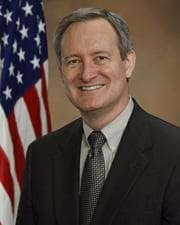
Mike Crapo
Republican Senator
Idaho
Cosponsors (18)
Rick Scott (Republican)Angela D. Alsobrooks (Democratic)Ruben Gallego (Democratic)Jim Banks (Republican)James E. Risch (Republican)Alex Padilla (Democratic)Todd Young (Republican)Amy Klobuchar (Democratic)John W. Hickenlooper (Democratic)Ted Cruz (Republican)Chris Van Hollen (Democratic)John Kennedy (Republican)Michael F. Bennet (Democratic)Tina Smith (Democratic)Cory A. Booker (Democratic)Elissa Slotkin (Democratic)Gary C. Peters (Democratic)Mark Kelly (Democratic)
Armed Services Committee
- Introduced
- In Committee
- On Floor
- Passed Chamber
- Enacted
This bill, known as the Fighter Force Preservation and Recapitalization Act of 2025 , aims to strengthen the fighter aircraft capabilities of the Air Force and its reserve components. It amends title 10, United States Code, to increase the minimum required fighter aircraft inventory from 1,800 to 1,900 total aircraft and from 1,145 to 1,200 primary mission aircraft, extending the compliance deadline from October 1, 2026, to October 1, 2030. The legislation permits temporary reductions in the total inventory for recapitalization purposes, provided the inventory does not fall below 1,800 aircraft and the reduction does not exceed two years, with prior notification to congressional defense committees. The bill mandates the Secretary of the Air Force to submit quarterly reports through September 30, 2030, detailing the status of the fighter aircraft inventory. These reports must include information on new advanced, fifth-generation, and next-generation fighter aircraft received, their assignment to Regular Air Force, Air Force Reserve, and Air National Guard units, and any legacy aircraft retired. Furthermore, it requires that for every four new advanced capability fighter aircraft accepted, at least three must be assigned to existing, service-retained Air Force squadrons. A key provision preserves a minimum of 25 Air National Guard fighter squadrons until October 1, 2030, prohibiting the retirement or placement into XJ status of their assigned legacy or fifth-generation fighter aircraft. Exceptions are made for aircraft deemed no longer mission capable and uneconomical to repair, and for one-for-one replacements with new advanced aircraft. The Secretary of the Air Force, in consultation with the Director of the Air National Guard, must also develop an annual recapitalization plan for the Air National Guard fighter fleet, aiming for a similar rate as active components and assessing budgetary and readiness effects. The bill defines various types of fighter aircraft, including advanced capability , fifth-generation , next-generation air dominance , and legacy capability fighter aircraft. To ensure compliance, if the Secretary of the Air Force fails to submit a required report by the deadline, no funds may be obligated or expended for the Secretary's travel until the report is submitted.
View Full TextSuggested Questions
Get AI-generated questions to help you understand this bill better
Timeline
Introduced in Senate
Read twice and referred to the Committee on Armed Services.
Armed Forces and National Security
Fighter Force Preservation and Recapitalization Act of 2025
USA119th CongressS-873| Senate
| Updated: 3/5/2025
This bill, known as the Fighter Force Preservation and Recapitalization Act of 2025 , aims to strengthen the fighter aircraft capabilities of the Air Force and its reserve components. It amends title 10, United States Code, to increase the minimum required fighter aircraft inventory from 1,800 to 1,900 total aircraft and from 1,145 to 1,200 primary mission aircraft, extending the compliance deadline from October 1, 2026, to October 1, 2030. The legislation permits temporary reductions in the total inventory for recapitalization purposes, provided the inventory does not fall below 1,800 aircraft and the reduction does not exceed two years, with prior notification to congressional defense committees. The bill mandates the Secretary of the Air Force to submit quarterly reports through September 30, 2030, detailing the status of the fighter aircraft inventory. These reports must include information on new advanced, fifth-generation, and next-generation fighter aircraft received, their assignment to Regular Air Force, Air Force Reserve, and Air National Guard units, and any legacy aircraft retired. Furthermore, it requires that for every four new advanced capability fighter aircraft accepted, at least three must be assigned to existing, service-retained Air Force squadrons. A key provision preserves a minimum of 25 Air National Guard fighter squadrons until October 1, 2030, prohibiting the retirement or placement into XJ status of their assigned legacy or fifth-generation fighter aircraft. Exceptions are made for aircraft deemed no longer mission capable and uneconomical to repair, and for one-for-one replacements with new advanced aircraft. The Secretary of the Air Force, in consultation with the Director of the Air National Guard, must also develop an annual recapitalization plan for the Air National Guard fighter fleet, aiming for a similar rate as active components and assessing budgetary and readiness effects. The bill defines various types of fighter aircraft, including advanced capability , fifth-generation , next-generation air dominance , and legacy capability fighter aircraft. To ensure compliance, if the Secretary of the Air Force fails to submit a required report by the deadline, no funds may be obligated or expended for the Secretary's travel until the report is submitted.
View Full TextSuggested Questions
Get AI-generated questions to help you understand this bill better
Timeline
Introduced in Senate
Read twice and referred to the Committee on Armed Services.
Mike Crapo
Republican Senator
Idaho
Cosponsors (18)
Rick Scott (Republican)Angela D. Alsobrooks (Democratic)Ruben Gallego (Democratic)Jim Banks (Republican)James E. Risch (Republican)Alex Padilla (Democratic)Todd Young (Republican)Amy Klobuchar (Democratic)John W. Hickenlooper (Democratic)Ted Cruz (Republican)Chris Van Hollen (Democratic)John Kennedy (Republican)Michael F. Bennet (Democratic)Tina Smith (Democratic)Cory A. Booker (Democratic)Elissa Slotkin (Democratic)Gary C. Peters (Democratic)Mark Kelly (Democratic)
Armed Services Committee
Armed Forces and National Security
- Introduced
- In Committee
- On Floor
- Passed Chamber
- Enacted