Protecting Rural Seniors’ Access to Care Act
USA119th CongressS-750| Senate
| Updated: 2/26/2025
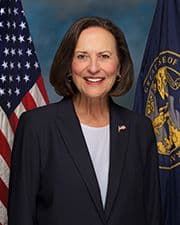
Deb Fischer
Republican Senator
Nebraska
Cosponsors (2)
Finance Committee
- Introduced
- In Committee
- On Floor
- Passed Chamber
- Enacted
This bill, titled the "Protecting Rural Seniors' Access to Care Act," aims to address concerns regarding nursing home regulations and workforce. Its primary provision prohibits the Secretary of Health and Human Services (HHS) from implementing, enforcing, or otherwise giving effect to the final rule on Minimum Staffing Standards for Long-Term Care Facilities and Medicaid Institutional Payment Transparency Reporting , which was published in May 2024. This prohibition also extends to any substantially similar future rules. A second key provision mandates the establishment of an Advisory Panel on the Nursing Home Workforce within 60 days of the bill's enactment. This 17-member panel will comprise diverse representatives, including nurses, physicians, administrators, and experts from various geographic areas, with specific emphasis on rural representation. The panel's meetings will be publicly accessible, including virtual access and published recordings. The panel's duties include submitting an initial report within 60 days of its first meeting, and annually thereafter. These reports will assess the state of the nursing home workforce, particularly in rural and underserved areas , analyzing workforce shortages and barriers to access for Medicare and Medicaid beneficiaries. The panel will also analyze the impact of HHS regulations on the workforce and provide recommendations to strengthen it, focusing on decreasing regulatory burdens and increasing financial investments in training for health professionals.
Suggested Questions
Get AI-generated questions to help you understand this bill better
Timeline
Introduced in Senate
Read twice and referred to the Committee on Finance. (Sponsor introductory remarks on measure: CR S1399-1400)
Health
Administrative law and regulatory proceduresAdvisory bodiesAgingCongressional oversightDepartment of Health and Human ServicesEmployee hiringHealth care coverage and accessHealth personnelIntergovernmental relationsLong-term, rehabilitative, and terminal careMedicaidMedicareNursingRural conditions and developmentState and local government operations
Protecting Rural Seniors’ Access to Care Act
USA119th CongressS-750| Senate
| Updated: 2/26/2025
This bill, titled the "Protecting Rural Seniors' Access to Care Act," aims to address concerns regarding nursing home regulations and workforce. Its primary provision prohibits the Secretary of Health and Human Services (HHS) from implementing, enforcing, or otherwise giving effect to the final rule on Minimum Staffing Standards for Long-Term Care Facilities and Medicaid Institutional Payment Transparency Reporting , which was published in May 2024. This prohibition also extends to any substantially similar future rules. A second key provision mandates the establishment of an Advisory Panel on the Nursing Home Workforce within 60 days of the bill's enactment. This 17-member panel will comprise diverse representatives, including nurses, physicians, administrators, and experts from various geographic areas, with specific emphasis on rural representation. The panel's meetings will be publicly accessible, including virtual access and published recordings. The panel's duties include submitting an initial report within 60 days of its first meeting, and annually thereafter. These reports will assess the state of the nursing home workforce, particularly in rural and underserved areas , analyzing workforce shortages and barriers to access for Medicare and Medicaid beneficiaries. The panel will also analyze the impact of HHS regulations on the workforce and provide recommendations to strengthen it, focusing on decreasing regulatory burdens and increasing financial investments in training for health professionals.
Suggested Questions
Get AI-generated questions to help you understand this bill better
Timeline
Introduced in Senate
Read twice and referred to the Committee on Finance. (Sponsor introductory remarks on measure: CR S1399-1400)
Deb Fischer
Republican Senator
Nebraska
Cosponsors (2)
Finance Committee
Health
- Introduced
- In Committee
- On Floor
- Passed Chamber
- Enacted
Administrative law and regulatory proceduresAdvisory bodiesAgingCongressional oversightDepartment of Health and Human ServicesEmployee hiringHealth care coverage and accessHealth personnelIntergovernmental relationsLong-term, rehabilitative, and terminal careMedicaidMedicareNursingRural conditions and developmentState and local government operations