Leveling the Playing Field 2.0 Act
USA119th CongressS-691| Senate
| Updated: 2/24/2025
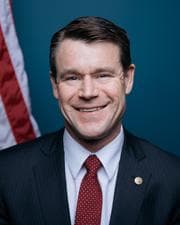
Todd Young
Republican Senator
Indiana
Cosponsors (23)
Jeanne Shaheen (Democratic)Tommy Tuberville (Republican)Ruben Gallego (Democratic)Katie Boyd Britt (Republican)Jim Banks (Republican)Cindy Hyde-Smith (Republican)Kirsten E. Gillibrand (Democratic)Elizabeth Warren (Democratic)Eric Schmitt (Republican)Marsha Blackburn (Republican)Tom Cotton (Republican)Amy Klobuchar (Democratic)Lindsey Graham (Republican)Roger F. Wicker (Republican)James C. Justice (Republican)John Fetterman (Democratic)Tina Smith (Democratic)David McCormick (Republican)Tammy Baldwin (Democratic)Elissa Slotkin (Democratic)Gary C. Peters (Democratic)Bernie Moreno (Republican)Shelley Moore Capito (Republican)
Finance Committee
- Introduced
- In Committee
- On Floor
- Passed Chamber
- Enacted
The "Leveling the Playing Field 2.0 Act" aims to significantly enhance the effectiveness of U.S. antidumping and countervailing duty laws against unfair trade practices. It introduces new mechanisms to address market distortions, prevent circumvention, and ensure proper collection of duties, thereby strengthening protections for domestic industries. Title I establishes special rules for successive investigations , ensuring that material injury determinations consider the cumulative impact of concurrent or recently completed investigations. It prevents findings of no injury based solely on temporary improvements linked to prior trade relief. This title also sets expedited deadlines for preliminary and final determinations in these follow-up investigations. Title II focuses on responding to market distortions . It allows the Department of Commerce to treat subsidies from a third country as if provided by the subject country if the latter facilitates them, and extends upstream subsidy rules to multinational corporations. The bill modifies the definition of "ordinary course of trade" to include situations where insufficient product quantities hinder fair comparisons. Crucially, it expands the concept of a "particular market situation" to account for various forms of government intervention or market anomalies that distort production costs, such as state-owned enterprises or non-enforcement of labor laws, without requiring quantification of these distortions. Title III is dedicated to preventing circumvention of trade remedies. It streamlines the initiation and process of circumvention inquiries, setting clear deadlines for determinations. The bill mandates the suspension of liquidation and collection of cash deposits during these inquiries. Furthermore, it requires importers to provide certifications that their merchandise and its inputs are not subject to antidumping or countervailing duties, with penalties for non-compliance or false statements. The Department of Commerce's authority to determine if merchandise is covered by trade remedies is clarified, allowing it to use any reasonable method, independent of other agencies' rulings. This title also introduces asset requirements for nonresident importers , obligating them to maintain sufficient U.S. assets and a bond to cover potential duties, with exceptions for trusted trade partners. These measures aim to ensure that duties can be collected effectively from foreign entities. Title IV addresses currency undervaluation , requiring the administering authority to investigate it as a potential countervailable subsidy if alleged in a petition. It provides a framework for determining the benefit from such undervaluation, particularly for unified exchange rates, by comparing actual rates to appropriate methodologies and considering government actions. Finally, Title V focuses on preventing duty evasion by limiting protests against certain CBP decisions regarding AD/CVD evasion claims and extending evasion investigation procedures to safeguard actions. These comprehensive changes aim to create a more robust and responsive trade enforcement system.
Suggested Questions
Get AI-generated questions to help you understand this bill better
Timeline
Introduced in Senate
Read twice and referred to the Committee on Finance.
Foreign Trade and International Finance
Administrative remediesCanadaCivil actions and liabilityCompetitiveness, trade promotion, trade deficitsCurrencyCustoms enforcementForeign and international corporationsFraud offenses and financial crimesFree trade and trade barriersGovernment information and archivesGovernment studies and investigationsInternational monetary system and foreign exchangeMexicoNorth AmericaTariffsTrade agreements and negotiations
Leveling the Playing Field 2.0 Act
USA119th CongressS-691| Senate
| Updated: 2/24/2025
The "Leveling the Playing Field 2.0 Act" aims to significantly enhance the effectiveness of U.S. antidumping and countervailing duty laws against unfair trade practices. It introduces new mechanisms to address market distortions, prevent circumvention, and ensure proper collection of duties, thereby strengthening protections for domestic industries. Title I establishes special rules for successive investigations , ensuring that material injury determinations consider the cumulative impact of concurrent or recently completed investigations. It prevents findings of no injury based solely on temporary improvements linked to prior trade relief. This title also sets expedited deadlines for preliminary and final determinations in these follow-up investigations. Title II focuses on responding to market distortions . It allows the Department of Commerce to treat subsidies from a third country as if provided by the subject country if the latter facilitates them, and extends upstream subsidy rules to multinational corporations. The bill modifies the definition of "ordinary course of trade" to include situations where insufficient product quantities hinder fair comparisons. Crucially, it expands the concept of a "particular market situation" to account for various forms of government intervention or market anomalies that distort production costs, such as state-owned enterprises or non-enforcement of labor laws, without requiring quantification of these distortions. Title III is dedicated to preventing circumvention of trade remedies. It streamlines the initiation and process of circumvention inquiries, setting clear deadlines for determinations. The bill mandates the suspension of liquidation and collection of cash deposits during these inquiries. Furthermore, it requires importers to provide certifications that their merchandise and its inputs are not subject to antidumping or countervailing duties, with penalties for non-compliance or false statements. The Department of Commerce's authority to determine if merchandise is covered by trade remedies is clarified, allowing it to use any reasonable method, independent of other agencies' rulings. This title also introduces asset requirements for nonresident importers , obligating them to maintain sufficient U.S. assets and a bond to cover potential duties, with exceptions for trusted trade partners. These measures aim to ensure that duties can be collected effectively from foreign entities. Title IV addresses currency undervaluation , requiring the administering authority to investigate it as a potential countervailable subsidy if alleged in a petition. It provides a framework for determining the benefit from such undervaluation, particularly for unified exchange rates, by comparing actual rates to appropriate methodologies and considering government actions. Finally, Title V focuses on preventing duty evasion by limiting protests against certain CBP decisions regarding AD/CVD evasion claims and extending evasion investigation procedures to safeguard actions. These comprehensive changes aim to create a more robust and responsive trade enforcement system.
Suggested Questions
Get AI-generated questions to help you understand this bill better
Timeline
Introduced in Senate
Read twice and referred to the Committee on Finance.
Todd Young
Republican Senator
Indiana
Cosponsors (23)
Jeanne Shaheen (Democratic)Tommy Tuberville (Republican)Ruben Gallego (Democratic)Katie Boyd Britt (Republican)Jim Banks (Republican)Cindy Hyde-Smith (Republican)Kirsten E. Gillibrand (Democratic)Elizabeth Warren (Democratic)Eric Schmitt (Republican)Marsha Blackburn (Republican)Tom Cotton (Republican)Amy Klobuchar (Democratic)Lindsey Graham (Republican)Roger F. Wicker (Republican)James C. Justice (Republican)John Fetterman (Democratic)Tina Smith (Democratic)David McCormick (Republican)Tammy Baldwin (Democratic)Elissa Slotkin (Democratic)Gary C. Peters (Democratic)Bernie Moreno (Republican)Shelley Moore Capito (Republican)
Finance Committee
Foreign Trade and International Finance
Related Bills
- Introduced
- In Committee
- On Floor
- Passed Chamber
- Enacted
Administrative remediesCanadaCivil actions and liabilityCompetitiveness, trade promotion, trade deficitsCurrencyCustoms enforcementForeign and international corporationsFraud offenses and financial crimesFree trade and trade barriersGovernment information and archivesGovernment studies and investigationsInternational monetary system and foreign exchangeMexicoNorth AmericaTariffsTrade agreements and negotiations