Complete COVID Collections Act
USA119th CongressS-68| Senate
| Updated: 2/10/2025
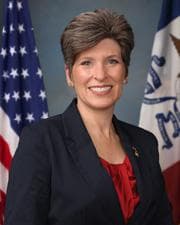
Joni Ernst
Republican Senator
Iowa
Cosponsors (6)
Small Business and Entrepreneurship Committee
- Introduced
- In Committee
- On Floor
- Passed Chamber
- Enacted
This bill, known as the "Complete COVID Collections Act," aims to prevent the suspension of collections on loans made to small businesses under various COVID-19 relief programs and to enhance efforts to combat fraud. It extends the term of the Special Inspector General for Pandemic Recovery (SIGPR) until September 30, 2030, expanding its oversight to include the Small Business Administration (SBA) Administrator and all specified COVID-19 relief programs. The SIGPR is also required to coordinate with and receive information from the SBA regarding these programs. The legislation establishes a 10-year statute of limitations for criminal charges or civil enforcement actions alleging fraud related to specific COVID-19 relief, including loans under the CARES Act, Shuttered Venue Operator Grants, and Restaurant Revitalization Grants. This provision aims to provide a longer period for prosecuting and recovering funds from fraudulent activities within these programs. Regarding loan collections, the bill mandates that the SBA Administrator refer claims for collection on covered loans under $100,000 to the Department of the Treasury, which will then make the final decision on collection. The Administrator must also provide monthly briefings to Congress on collection progress and transfers to Treasury, and testify annually on collection implementation, improper payments, and reporting compliance. Furthermore, the bill requires the Attorney General to submit monthly reports to Congress detailing Department of Justice activities related to COVID-19 program fraud, including prosecutions, recoveries, and referrals. It also directs the Pandemic Response Accountability Committee to establish a public website with real-time data on recovered COVID-19 funds, broken down by type and amount. Significantly, any amounts recovered as a result of fraud in these covered programs must be applied solely towards the reduction of the Federal debt.
Suggested Questions
Get AI-generated questions to help you understand this bill better
Timeline
Introduced in Senate
Read twice and referred to the Committee on Small Business and Entrepreneurship.
Committee on Small Business and Entrepreneurship. Ordered to be reported with amendments favorably.
Committee on Small Business and Entrepreneurship. Reported by Senator Ernst with amendments. Without written report.
Placed on Senate Legislative Calendar under General Orders. Calendar No. 8.
Commerce
Debt collectionFraud offenses and financial crimesGovernment ethics and transparency, public corruptionGovernment information and archivesGovernment lending and loan guaranteesGovernment studies and investigationsInfectious and parasitic diseases
Complete COVID Collections Act
USA119th CongressS-68| Senate
| Updated: 2/10/2025
This bill, known as the "Complete COVID Collections Act," aims to prevent the suspension of collections on loans made to small businesses under various COVID-19 relief programs and to enhance efforts to combat fraud. It extends the term of the Special Inspector General for Pandemic Recovery (SIGPR) until September 30, 2030, expanding its oversight to include the Small Business Administration (SBA) Administrator and all specified COVID-19 relief programs. The SIGPR is also required to coordinate with and receive information from the SBA regarding these programs. The legislation establishes a 10-year statute of limitations for criminal charges or civil enforcement actions alleging fraud related to specific COVID-19 relief, including loans under the CARES Act, Shuttered Venue Operator Grants, and Restaurant Revitalization Grants. This provision aims to provide a longer period for prosecuting and recovering funds from fraudulent activities within these programs. Regarding loan collections, the bill mandates that the SBA Administrator refer claims for collection on covered loans under $100,000 to the Department of the Treasury, which will then make the final decision on collection. The Administrator must also provide monthly briefings to Congress on collection progress and transfers to Treasury, and testify annually on collection implementation, improper payments, and reporting compliance. Furthermore, the bill requires the Attorney General to submit monthly reports to Congress detailing Department of Justice activities related to COVID-19 program fraud, including prosecutions, recoveries, and referrals. It also directs the Pandemic Response Accountability Committee to establish a public website with real-time data on recovered COVID-19 funds, broken down by type and amount. Significantly, any amounts recovered as a result of fraud in these covered programs must be applied solely towards the reduction of the Federal debt.
Suggested Questions
Get AI-generated questions to help you understand this bill better
Timeline
Introduced in Senate
Read twice and referred to the Committee on Small Business and Entrepreneurship.
Committee on Small Business and Entrepreneurship. Ordered to be reported with amendments favorably.
Committee on Small Business and Entrepreneurship. Reported by Senator Ernst with amendments. Without written report.
Placed on Senate Legislative Calendar under General Orders. Calendar No. 8.
Joni Ernst
Republican Senator
Iowa
Cosponsors (6)
Small Business and Entrepreneurship Committee
Commerce
- Introduced
- In Committee
- On Floor
- Passed Chamber
- Enacted
Debt collectionFraud offenses and financial crimesGovernment ethics and transparency, public corruptionGovernment information and archivesGovernment lending and loan guaranteesGovernment studies and investigationsInfectious and parasitic diseases