SAFE STEPS for Veterans Act of 2025
USA119th CongressS-668| Senate
| Updated: 12/10/2025
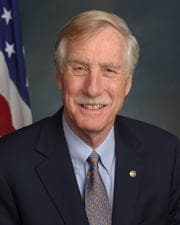
Angus S. King
Independent Senator
Maine
Cosponsors (2)
Veterans' Affairs Committee
- Introduced
- In Committee
- On Floor
- Passed Chamber
- Enacted
This legislation establishes the Office of Falls Prevention within the Department of Veterans Affairs' Veterans Health Administration, led by a Chief Officer. The Office will coordinate, monitor, and improve falls prevention services for veterans, aiming to reduce falls and associated healthcare costs by developing standards of care and identifying deficiencies. The bill mandates a national public education campaign for at-risk veterans, their families, and healthcare providers, focusing on reducing falls and increasing awareness of VA benefits. It also promotes expanded clinical, research, and educational activities, including collaborative research with the National Institute on Aging on evidence-based falls prevention programs. Key provisions require the VA to update directives for safe patient handling and mobility policies , ensuring biennial training for providers and access to appropriate technology in medical facilities. Furthermore, veterans in VA nursing homes or receiving extended care services who are at risk or have fallen must receive a falls risk assessment and prevention services from a licensed physical or occupational therapist. The legislation expands the Interagency Coordinating Committee on Healthy Aging to include the Secretary of Veterans Affairs. It also directs the Secretary to assess the feasibility of a pilot program for home improvements to prevent falls and to submit a comprehensive report to Congress on existing falls prevention initiatives within the Department.
Suggested Questions
Get AI-generated questions to help you understand this bill better
Timeline
Introduced in Senate
Read twice and referred to the Committee on Veterans' Affairs.
Committee on Veterans' Affairs. Hearings held.
Committee on Veterans' Affairs. Hearings held. Hearings printed: S.Hrg. 119-247.
Armed Forces and National Security
AgingCongressional oversightDepartment of Veterans AffairsExecutive agency funding and structureHealth personnelHealth promotion and preventive careLong-term, rehabilitative, and terminal careMedical researchVeterans' medical care
SAFE STEPS for Veterans Act of 2025
USA119th CongressS-668| Senate
| Updated: 12/10/2025
This legislation establishes the Office of Falls Prevention within the Department of Veterans Affairs' Veterans Health Administration, led by a Chief Officer. The Office will coordinate, monitor, and improve falls prevention services for veterans, aiming to reduce falls and associated healthcare costs by developing standards of care and identifying deficiencies. The bill mandates a national public education campaign for at-risk veterans, their families, and healthcare providers, focusing on reducing falls and increasing awareness of VA benefits. It also promotes expanded clinical, research, and educational activities, including collaborative research with the National Institute on Aging on evidence-based falls prevention programs. Key provisions require the VA to update directives for safe patient handling and mobility policies , ensuring biennial training for providers and access to appropriate technology in medical facilities. Furthermore, veterans in VA nursing homes or receiving extended care services who are at risk or have fallen must receive a falls risk assessment and prevention services from a licensed physical or occupational therapist. The legislation expands the Interagency Coordinating Committee on Healthy Aging to include the Secretary of Veterans Affairs. It also directs the Secretary to assess the feasibility of a pilot program for home improvements to prevent falls and to submit a comprehensive report to Congress on existing falls prevention initiatives within the Department.
Suggested Questions
Get AI-generated questions to help you understand this bill better
Timeline
Introduced in Senate
Read twice and referred to the Committee on Veterans' Affairs.
Committee on Veterans' Affairs. Hearings held.
Committee on Veterans' Affairs. Hearings held. Hearings printed: S.Hrg. 119-247.
Angus S. King
Independent Senator
Maine
Cosponsors (2)
Veterans' Affairs Committee
Armed Forces and National Security
Related Bills
- Introduced
- In Committee
- On Floor
- Passed Chamber
- Enacted
AgingCongressional oversightDepartment of Veterans AffairsExecutive agency funding and structureHealth personnelHealth promotion and preventive careLong-term, rehabilitative, and terminal careMedical researchVeterans' medical care