OPIOIDS Act
USA119th CongressS-617| Senate
| Updated: 2/18/2025
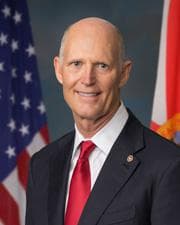
Rick Scott
Republican Senator
Florida
Cosponsors (2)
Judiciary Committee
- Introduced
- In Committee
- On Floor
- Passed Chamber
- Enacted
The Overcoming Prevalent Inadequacies in Overdose Information Data Sets Act, or OPIOIDS Act, empowers the Attorney General to issue grants aimed at significantly improving data and surveillance concerning opioid-related overdoses. These grants support activities such as enhancing postmortem toxicology testing, facilitating data linkage across various systems, improving electronic death reporting, and increasing the comprehensiveness of data on both fatal and nonfatal opioid overdoses. The legislation also establishes a grant program for local law enforcement agencies and forensic laboratories in areas with high drug overdose rates. These funds can be used for training officers to identify overdoses , upgrading systems for drug tracing and sample processing to ensure timely and accurate data reporting to the National Forensic Laboratory Information System, and training to better trace criminals operating on the darknet. Grantees must submit overdose data reports to the National Forensic Laboratory Information System, and the bill amends COPS grants to provide resources for containment devices to protect first responders from fentanyl exposure. Furthermore, the bill directs the Drug Enforcement Administration (DEA) to develop uniform reporting standards for inputting data on purity, formulation, and weight into the National Forensic Laboratory Information System, which will improve data comparison and sharing across jurisdictions. It also requires the DEA to include a specific line item for the Fentanyl Signature Profiling Program's funding in its annual budget submission to Congress.
Suggested Questions
Get AI-generated questions to help you understand this bill better
Timeline
Introduced in Senate
Read twice and referred to the Committee on the Judiciary.
Crime and Law Enforcement
Computers and information technologyDrug, alcohol, tobacco useEmployment and training programsIntergovernmental relationsLaw enforcement administration and fundingState and local government operations
OPIOIDS Act
USA119th CongressS-617| Senate
| Updated: 2/18/2025
The Overcoming Prevalent Inadequacies in Overdose Information Data Sets Act, or OPIOIDS Act, empowers the Attorney General to issue grants aimed at significantly improving data and surveillance concerning opioid-related overdoses. These grants support activities such as enhancing postmortem toxicology testing, facilitating data linkage across various systems, improving electronic death reporting, and increasing the comprehensiveness of data on both fatal and nonfatal opioid overdoses. The legislation also establishes a grant program for local law enforcement agencies and forensic laboratories in areas with high drug overdose rates. These funds can be used for training officers to identify overdoses , upgrading systems for drug tracing and sample processing to ensure timely and accurate data reporting to the National Forensic Laboratory Information System, and training to better trace criminals operating on the darknet. Grantees must submit overdose data reports to the National Forensic Laboratory Information System, and the bill amends COPS grants to provide resources for containment devices to protect first responders from fentanyl exposure. Furthermore, the bill directs the Drug Enforcement Administration (DEA) to develop uniform reporting standards for inputting data on purity, formulation, and weight into the National Forensic Laboratory Information System, which will improve data comparison and sharing across jurisdictions. It also requires the DEA to include a specific line item for the Fentanyl Signature Profiling Program's funding in its annual budget submission to Congress.
Suggested Questions
Get AI-generated questions to help you understand this bill better
Timeline
Introduced in Senate
Read twice and referred to the Committee on the Judiciary.
Rick Scott
Republican Senator
Florida
Cosponsors (2)
Judiciary Committee
Crime and Law Enforcement
Related Bills
- Introduced
- In Committee
- On Floor
- Passed Chamber
- Enacted
Computers and information technologyDrug, alcohol, tobacco useEmployment and training programsIntergovernmental relationsLaw enforcement administration and fundingState and local government operations