Improving Flood and Agricultural Forecasts Act of 2025
USA119th CongressS-590| Senate
| Updated: 2/13/2025
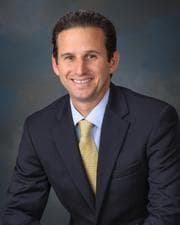
Brian Schatz
Democratic Senator
Hawaii
Commerce, Science, and Transportation Committee
- Introduced
- In Committee
- On Floor
- Passed Chamber
- Enacted
This bill requires the Under Secretary of Commerce for Oceans and Atmosphere to maintain the National Mesonet Program, aimed at significantly improving forecasts for atmospheric, drought, fire, and water events. The program will achieve this by obtaining and integrating a greater density and variety of environmental observations, prioritizing data from commercial, academic, and other non-Federal Government sources. It also mandates coordination with existing satellite data and encourages participation from local and regional environmental monitoring networks. Key program elements include increasing data density to support baseline forecasts, warnings, and hyper-local forecasts, ultimately helping the National Weather Service achieve a 30-minute severe weather warning target. The program will also focus on monitoring local meteorological conditions by acquiring critical soil and moisture data to support drought information systems and agricultural needs, and by enhancing road weather observational networks. Administration of the program emphasizes cost-effective data acquisition, leveraging existing networks, and providing infrastructure for integrating new non-Federal data sources. To further expand the mesonet system, the bill authorizes financial and technical assistance to State, Tribal, private, and academic entities for building, expanding, or upgrading their equipment, with a priority for remote or underrepresented areas. An active advisory committee of subject matter experts, including academic expertise, will provide recommendations on data needs and program improvements. The Under Secretary is also required to provide annual briefings to Congress through 2035, detailing program activities, assistance provided, and progress in eliminating weather observation data gaps.
Suggested Questions
Get AI-generated questions to help you understand this bill better
Timeline
Introduced in Senate
Read twice and referred to the Committee on Commerce, Science, and Transportation.
Science, Technology, Communications
Improving Flood and Agricultural Forecasts Act of 2025
USA119th CongressS-590| Senate
| Updated: 2/13/2025
This bill requires the Under Secretary of Commerce for Oceans and Atmosphere to maintain the National Mesonet Program, aimed at significantly improving forecasts for atmospheric, drought, fire, and water events. The program will achieve this by obtaining and integrating a greater density and variety of environmental observations, prioritizing data from commercial, academic, and other non-Federal Government sources. It also mandates coordination with existing satellite data and encourages participation from local and regional environmental monitoring networks. Key program elements include increasing data density to support baseline forecasts, warnings, and hyper-local forecasts, ultimately helping the National Weather Service achieve a 30-minute severe weather warning target. The program will also focus on monitoring local meteorological conditions by acquiring critical soil and moisture data to support drought information systems and agricultural needs, and by enhancing road weather observational networks. Administration of the program emphasizes cost-effective data acquisition, leveraging existing networks, and providing infrastructure for integrating new non-Federal data sources. To further expand the mesonet system, the bill authorizes financial and technical assistance to State, Tribal, private, and academic entities for building, expanding, or upgrading their equipment, with a priority for remote or underrepresented areas. An active advisory committee of subject matter experts, including academic expertise, will provide recommendations on data needs and program improvements. The Under Secretary is also required to provide annual briefings to Congress through 2035, detailing program activities, assistance provided, and progress in eliminating weather observation data gaps.
Suggested Questions
Get AI-generated questions to help you understand this bill better
Timeline
Introduced in Senate
Read twice and referred to the Committee on Commerce, Science, and Transportation.
Brian Schatz
Democratic Senator
Hawaii
Commerce, Science, and Transportation Committee
Science, Technology, Communications
- Introduced
- In Committee
- On Floor
- Passed Chamber
- Enacted