Green New Deal for Public Schools Act
USA119th CongressS-5195| Senate
| Updated: 7/30/2026
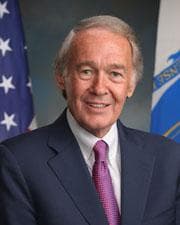
Edward J. Markey
Democratic Senator
Massachusetts
Health, Education, Labor, and Pensions Committee
- Introduced
- In Committee
- On Floor
- Passed Chamber
- Enacted
The Green New Deal for Public Schools Act aims to comprehensively transform public schools into healthy, zero-carbon, and climate-resilient community assets. It establishes an Office of Sustainable Schools within the Department of Education to administer new grant programs focused on facilities, resources, and educational equity. The bill prioritizes schools serving vulnerable populations, identified by the Social Vulnerability Index, and those operated or funded by the Bureau of Indian Education (BIE). Title I introduces Climate Capital Facilities Grants , administered by the Department of Energy, to fund healthy green retrofits of existing schools and construction of new healthy zero-carbon schools. A "healthy zero-carbon school" is defined by high energy efficiency, onsite renewable energy, electrification, and the absence of hazardous materials like asbestos and lead. Grants cover 100% of costs for the most vulnerable schools and BIE schools, with loans available for less vulnerable schools. All projects must adhere to strong labor standards, including Buy American provisions and Davis-Bacon prevailing wages. The Resource Block Grants , managed by the Department of Education, aim to expand educational opportunities and improve academic achievement by increasing eligible educators and support staff. These grants target improved student-to-staff ratios, particularly for mental health professionals, librarians, and nurses. Funds also support community partnerships, trauma-informed violence prevention, and locally designed educational programs, with a strong emphasis on local hiring and fair labor practices for staff. To address systemic disparities, Educational Equity Planning Grants facilitate regional planning processes for eligible consortia of local educational agencies. These grants support the development of 5-year regional education equity plans that identify and redress racial, class, gender, and disability-related inequities in education access. The process involves extensive community outreach and utilizes data from various federal agencies to inform planning. Title II establishes a Climate Change Resiliency Program to enhance the ability of public and BIE schools to withstand climate change-related events and public health emergencies. This program also positions schools as community resiliency centers, offering resources and improving disaster preparedness and response. Projects include installing on-site renewable energy, upgrading kitchen facilities, improving walkability, procuring electric school buses, and implementing green infrastructure like wetlands and green rooftops. The bill mandates significant appropriations over a 10-year period, including $446 billion for climate capital facilities, $250 billion for resource block grants, and $100 million for equity planning. It also provides mandatory funding increases for the Individuals with Disabilities Education Act (IDEA) and appropriates $74 billion annually for Title I of the Elementary and Secondary Education Act. All grant applicants must submit a resource allocation plan developed through a community-engaged process, outlining goals for environmental, economic, and educational equity.
View Full TextSuggested Questions
Get AI-generated questions to help you understand this bill better
Timeline
Introduced in Senate
Read twice and referred to the Committee on Health, Education, Labor, and Pensions.
Education
Green New Deal for Public Schools Act
USA119th CongressS-5195| Senate
| Updated: 7/30/2026
The Green New Deal for Public Schools Act aims to comprehensively transform public schools into healthy, zero-carbon, and climate-resilient community assets. It establishes an Office of Sustainable Schools within the Department of Education to administer new grant programs focused on facilities, resources, and educational equity. The bill prioritizes schools serving vulnerable populations, identified by the Social Vulnerability Index, and those operated or funded by the Bureau of Indian Education (BIE). Title I introduces Climate Capital Facilities Grants , administered by the Department of Energy, to fund healthy green retrofits of existing schools and construction of new healthy zero-carbon schools. A "healthy zero-carbon school" is defined by high energy efficiency, onsite renewable energy, electrification, and the absence of hazardous materials like asbestos and lead. Grants cover 100% of costs for the most vulnerable schools and BIE schools, with loans available for less vulnerable schools. All projects must adhere to strong labor standards, including Buy American provisions and Davis-Bacon prevailing wages. The Resource Block Grants , managed by the Department of Education, aim to expand educational opportunities and improve academic achievement by increasing eligible educators and support staff. These grants target improved student-to-staff ratios, particularly for mental health professionals, librarians, and nurses. Funds also support community partnerships, trauma-informed violence prevention, and locally designed educational programs, with a strong emphasis on local hiring and fair labor practices for staff. To address systemic disparities, Educational Equity Planning Grants facilitate regional planning processes for eligible consortia of local educational agencies. These grants support the development of 5-year regional education equity plans that identify and redress racial, class, gender, and disability-related inequities in education access. The process involves extensive community outreach and utilizes data from various federal agencies to inform planning. Title II establishes a Climate Change Resiliency Program to enhance the ability of public and BIE schools to withstand climate change-related events and public health emergencies. This program also positions schools as community resiliency centers, offering resources and improving disaster preparedness and response. Projects include installing on-site renewable energy, upgrading kitchen facilities, improving walkability, procuring electric school buses, and implementing green infrastructure like wetlands and green rooftops. The bill mandates significant appropriations over a 10-year period, including $446 billion for climate capital facilities, $250 billion for resource block grants, and $100 million for equity planning. It also provides mandatory funding increases for the Individuals with Disabilities Education Act (IDEA) and appropriates $74 billion annually for Title I of the Elementary and Secondary Education Act. All grant applicants must submit a resource allocation plan developed through a community-engaged process, outlining goals for environmental, economic, and educational equity.
View Full TextSuggested Questions
Get AI-generated questions to help you understand this bill better
Timeline
Introduced in Senate
Read twice and referred to the Committee on Health, Education, Labor, and Pensions.
Edward J. Markey
Democratic Senator
Massachusetts
Health, Education, Labor, and Pensions Committee
Education
- Introduced
- In Committee
- On Floor
- Passed Chamber
- Enacted