Carbon Dioxide Removal Leadership Act of 2026
USA119th CongressS-5170| Senate
| Updated: 7/29/2026
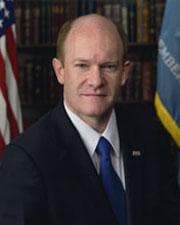
Christopher A. Coons
Democratic Senator
Delaware
Cosponsors (1)
Energy and Natural Resources Committee
- Introduced
- In Committee
- On Floor
- Passed Chamber
- Enacted
The Carbon Dioxide Removal Leadership Act of 2026 establishes a federal requirement for the Secretary of Energy to remove specified quantities of carbon dioxide directly from ambient air or seawater. This removal must utilize eligible technology , defined as equipment or techniques placed into service after January 1, 2022, that directly extract CO2, excluding natural photosynthesis (with exceptions for certain waste material processing) and enhanced oil recovery. The bill specifies that "remove" means capturing CO2 and durably storing it, such as in Class VI injection wells or building materials, on a lifecycle basis accounting for all associated greenhouse gas emissions. The legislation mandates a phased increase in removal targets, beginning with 50,000 net metric tons for fiscal years 2026-2027, rising to 500,000 metric tons by 2028-2030, 5 million metric tons by 2031-2035, and reaching 10 million metric tons annually from fiscal year 2036 onward. These targets are subject to economic feasibility , meaning the removal must be achievable within decreasing price caps per metric ton, starting at $750 in the initial years and falling to $150 by fiscal year 2037. The Secretary is authorized to enter into transparent, competitive contracts for up to 15 years to meet these requirements, with a set-aside for small removal projects. To ensure accountability, the bill requires independent third-party measurement, monitoring, reporting, and verification (MMRV) of all removed carbon dioxide, with standards to be established by the Secretary in consultation with other federal agencies. Project priorities include minimizing greenhouse gas emissions, supporting innovative technologies, fostering domestic job creation, promoting economic development in fossil fuel-dependent regions, and providing community benefits. Additionally, the bill mandates biennial reports to Congress on the program's progress and requires a study on the long-term future of federal carbon dioxide removal management to achieve gigaton-scale removal by 2050.
View Full TextSuggested Questions
Get AI-generated questions to help you understand this bill better
Timeline
Introduced in Senate
Read twice and referred to the Committee on Energy and Natural Resources.
Environmental Protection
Carbon Dioxide Removal Leadership Act of 2026
USA119th CongressS-5170| Senate
| Updated: 7/29/2026
The Carbon Dioxide Removal Leadership Act of 2026 establishes a federal requirement for the Secretary of Energy to remove specified quantities of carbon dioxide directly from ambient air or seawater. This removal must utilize eligible technology , defined as equipment or techniques placed into service after January 1, 2022, that directly extract CO2, excluding natural photosynthesis (with exceptions for certain waste material processing) and enhanced oil recovery. The bill specifies that "remove" means capturing CO2 and durably storing it, such as in Class VI injection wells or building materials, on a lifecycle basis accounting for all associated greenhouse gas emissions. The legislation mandates a phased increase in removal targets, beginning with 50,000 net metric tons for fiscal years 2026-2027, rising to 500,000 metric tons by 2028-2030, 5 million metric tons by 2031-2035, and reaching 10 million metric tons annually from fiscal year 2036 onward. These targets are subject to economic feasibility , meaning the removal must be achievable within decreasing price caps per metric ton, starting at $750 in the initial years and falling to $150 by fiscal year 2037. The Secretary is authorized to enter into transparent, competitive contracts for up to 15 years to meet these requirements, with a set-aside for small removal projects. To ensure accountability, the bill requires independent third-party measurement, monitoring, reporting, and verification (MMRV) of all removed carbon dioxide, with standards to be established by the Secretary in consultation with other federal agencies. Project priorities include minimizing greenhouse gas emissions, supporting innovative technologies, fostering domestic job creation, promoting economic development in fossil fuel-dependent regions, and providing community benefits. Additionally, the bill mandates biennial reports to Congress on the program's progress and requires a study on the long-term future of federal carbon dioxide removal management to achieve gigaton-scale removal by 2050.
View Full TextSuggested Questions
Get AI-generated questions to help you understand this bill better
Timeline
Introduced in Senate
Read twice and referred to the Committee on Energy and Natural Resources.
Christopher A. Coons
Democratic Senator
Delaware
Cosponsors (1)
Energy and Natural Resources Committee
Environmental Protection
- Introduced
- In Committee
- On Floor
- Passed Chamber
- Enacted