Higher Education Access and Success for Homeless and Foster Youth Act of 2026
USA119th CongressS-5146| Senate
| Updated: 7/28/2026
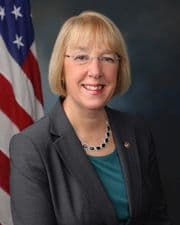
Patty Murray
Democratic Senator
Washington
Health, Education, Labor, and Pensions Committee
- Introduced
- In Committee
- On Floor
- Passed Chamber
- Enacted
This bill amends the Higher Education Act of 1965 to significantly improve the financial aid process and overall support for students who are homeless youth or foster care youth . It establishes specific definitions for "foster care youth," "homeless youth," and "unaccompanied youth" to ensure consistent identification and eligibility for support. These definitions clarify who qualifies for the enhanced protections and services outlined in the legislation. To streamline financial aid, the bill expands the Student Loan Ombudsman's role to include resolving complaints regarding a student's independent status, consulting with child welfare agencies and homeless liaisons. Furthermore, institutions must provide a mechanism for students to access institutionally owned or operated housing if they face temporary financial hardship, such as delayed disbursement of education vouchers, preventing them from meeting housing obligations. Institutions of higher education are mandated to designate a trained liaison to assist homeless youth and foster care youth in accessing and completing postsecondary education. This includes connecting them to vital student support services like financial aid, academic advising, housing, and health care, with the liaison's contact information and financial assistance details posted on the institution's website. The bill also requires institutions to prioritize these students for campus housing, including during school breaks, and to develop plans for housing access during and between academic terms. The legislation integrates homeless youth and foster care youth into federal TRIO programs (Talent Search, Upward Bound, Student Support Services, Educational Opportunity Centers) and GEAR UP, requiring these programs to conduct outreach, remove participation barriers, and provide tailored services. Additionally, it mandates that Federal Work-Study programs prioritize employment opportunities for these vulnerable student populations. States will be required to charge homeless youth and foster care youth in-state tuition rates at public institutions of higher education. The bill also enhances data transparency by requiring reporting on undetermined requests for homelessness consideration in financial aid applications. Finally, it directs the Secretary of Education to issue guidance, conduct annual professional development for liaisons, and report to Congress on effective strategies for supporting these students.
View Full TextSuggested Questions
Get AI-generated questions to help you understand this bill better
Timeline
Bill from Previous Congress
S 116-789Higher Education Access and Success for Homeless and Foster Youth Act
Bill from Previous Congress
S 117-3616Higher Education Access and Success for Homeless and Foster Youth Act of 2022
Bill from Previous Congress
S 118-4270Higher Education Access and Success for Homeless and Foster Youth Act of 2024
Introduced in Senate
Read twice and referred to the Committee on Health, Education, Labor, and Pensions.
Education
Higher Education Access and Success for Homeless and Foster Youth Act of 2026
USA119th CongressS-5146| Senate
| Updated: 7/28/2026
This bill amends the Higher Education Act of 1965 to significantly improve the financial aid process and overall support for students who are homeless youth or foster care youth . It establishes specific definitions for "foster care youth," "homeless youth," and "unaccompanied youth" to ensure consistent identification and eligibility for support. These definitions clarify who qualifies for the enhanced protections and services outlined in the legislation. To streamline financial aid, the bill expands the Student Loan Ombudsman's role to include resolving complaints regarding a student's independent status, consulting with child welfare agencies and homeless liaisons. Furthermore, institutions must provide a mechanism for students to access institutionally owned or operated housing if they face temporary financial hardship, such as delayed disbursement of education vouchers, preventing them from meeting housing obligations. Institutions of higher education are mandated to designate a trained liaison to assist homeless youth and foster care youth in accessing and completing postsecondary education. This includes connecting them to vital student support services like financial aid, academic advising, housing, and health care, with the liaison's contact information and financial assistance details posted on the institution's website. The bill also requires institutions to prioritize these students for campus housing, including during school breaks, and to develop plans for housing access during and between academic terms. The legislation integrates homeless youth and foster care youth into federal TRIO programs (Talent Search, Upward Bound, Student Support Services, Educational Opportunity Centers) and GEAR UP, requiring these programs to conduct outreach, remove participation barriers, and provide tailored services. Additionally, it mandates that Federal Work-Study programs prioritize employment opportunities for these vulnerable student populations. States will be required to charge homeless youth and foster care youth in-state tuition rates at public institutions of higher education. The bill also enhances data transparency by requiring reporting on undetermined requests for homelessness consideration in financial aid applications. Finally, it directs the Secretary of Education to issue guidance, conduct annual professional development for liaisons, and report to Congress on effective strategies for supporting these students.
View Full TextSuggested Questions
Get AI-generated questions to help you understand this bill better
Timeline
Bill from Previous Congress
S 116-789Higher Education Access and Success for Homeless and Foster Youth Act
Bill from Previous Congress
S 117-3616Higher Education Access and Success for Homeless and Foster Youth Act of 2022
Bill from Previous Congress
S 118-4270Higher Education Access and Success for Homeless and Foster Youth Act of 2024
Introduced in Senate
Read twice and referred to the Committee on Health, Education, Labor, and Pensions.
Patty Murray
Democratic Senator
Washington
Health, Education, Labor, and Pensions Committee
Education
Related Bills
- Introduced
- In Committee
- On Floor
- Passed Chamber
- Enacted