DEMOCRACIA Act
USA119th CongressS-488| Senate
| Updated: 2/6/2025
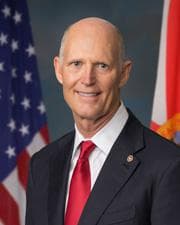
Rick Scott
Republican Senator
Florida
Cosponsors (2)
Foreign Relations Committee
- Introduced
- In Committee
- On Floor
- Passed Chamber
- Enacted
The DEMOCRACIA Act aims to impose stringent sanctions on foreign persons and entities that support Cuba's authoritarian regime. It targets those engaging in transactions with Cuba's military, security, and intelligence sectors, which are identified as perpetrators of human rights abuses. The bill also seeks to sanction individuals and entities responsible for human rights violations and corruption within Cuba, intending to restrict the financial resources of the Cuban dictatorship and promote democracy. Specifically, the legislation mandates sanctions against foreign persons providing financial, material, or technological support to, or transacting with, a covered sector of the Cuban government. Covered sectors include defense, security, and intelligence, or any other sector certified as involved in human rights abuses or terrorism support. Sanctions involve the blocking of property within U.S. jurisdiction and rendering foreign persons ineligible for U.S. visas or admission. Exceptions are made for humanitarian aid, remittances to non-high-level family members, and U.S. government operations. Furthermore, the bill requires sanctions on foreign persons determined to be responsible for or complicit in serious human rights abuse or corruption in Cuba. This includes current or former Cuban officials, leaders of implicated entities, and those who materially assist such activities. Explicitly targeted are members of the Communist Party of Cuba, the Council of State, the Council of Ministers, the Committees for the Defense of the Revolution, the Revolutionary Armed Forces, the Ministry of the Interior, and the Office of the President of Cuba, along with their spouses and children. Humanitarian exceptions exist for food donations to independent groups and permitted medical exports. The bill also mandates that the President use all possible means to immediately provide unrestricted, reliable internet service to the Cuban people, free from censorship or Chinese Communist Party-backed technology. An interagency task force will be established to develop long-term solutions for this internet provision. Sanctions imposed by the Act can only be terminated if the President certifies to Congress that the Cuban government has met extensive conditions, including legalizing political activity, releasing political prisoners, holding free and fair elections, and respecting human rights. This certification must then be approved by a joint resolution of Congress.
View Full TextSuggested Questions
Get AI-generated questions to help you understand this bill better
Timeline
Introduced in Senate
Read twice and referred to the Committee on Foreign Relations.
International Affairs
DEMOCRACIA Act
USA119th CongressS-488| Senate
| Updated: 2/6/2025
The DEMOCRACIA Act aims to impose stringent sanctions on foreign persons and entities that support Cuba's authoritarian regime. It targets those engaging in transactions with Cuba's military, security, and intelligence sectors, which are identified as perpetrators of human rights abuses. The bill also seeks to sanction individuals and entities responsible for human rights violations and corruption within Cuba, intending to restrict the financial resources of the Cuban dictatorship and promote democracy. Specifically, the legislation mandates sanctions against foreign persons providing financial, material, or technological support to, or transacting with, a covered sector of the Cuban government. Covered sectors include defense, security, and intelligence, or any other sector certified as involved in human rights abuses or terrorism support. Sanctions involve the blocking of property within U.S. jurisdiction and rendering foreign persons ineligible for U.S. visas or admission. Exceptions are made for humanitarian aid, remittances to non-high-level family members, and U.S. government operations. Furthermore, the bill requires sanctions on foreign persons determined to be responsible for or complicit in serious human rights abuse or corruption in Cuba. This includes current or former Cuban officials, leaders of implicated entities, and those who materially assist such activities. Explicitly targeted are members of the Communist Party of Cuba, the Council of State, the Council of Ministers, the Committees for the Defense of the Revolution, the Revolutionary Armed Forces, the Ministry of the Interior, and the Office of the President of Cuba, along with their spouses and children. Humanitarian exceptions exist for food donations to independent groups and permitted medical exports. The bill also mandates that the President use all possible means to immediately provide unrestricted, reliable internet service to the Cuban people, free from censorship or Chinese Communist Party-backed technology. An interagency task force will be established to develop long-term solutions for this internet provision. Sanctions imposed by the Act can only be terminated if the President certifies to Congress that the Cuban government has met extensive conditions, including legalizing political activity, releasing political prisoners, holding free and fair elections, and respecting human rights. This certification must then be approved by a joint resolution of Congress.
View Full TextSuggested Questions
Get AI-generated questions to help you understand this bill better
Timeline
Introduced in Senate
Read twice and referred to the Committee on Foreign Relations.
Rick Scott
Republican Senator
Florida
Cosponsors (2)
Foreign Relations Committee
International Affairs
- Introduced
- In Committee
- On Floor
- Passed Chamber
- Enacted