Make More in America Act of 2026
USA119th CongressS-4781| Senate
| Updated: 6/15/2026
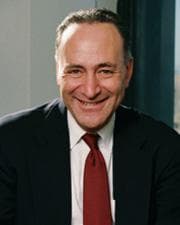
Charles E. Schumer
Democratic Senator
New York
Cosponsors (12)
Angela D. Alsobrooks (Democratic)Tammy Duckworth (Democratic)Lisa Blunt Rochester (Democratic)Jack Reed (Democratic)Elizabeth Warren (Democratic)Christopher A. Coons (Democratic)Amy Klobuchar (Democratic)Chris Van Hollen (Democratic)Brian Schatz (Democratic)Andy Kim (Democratic)Cory A. Booker (Democratic)Mark Kelly (Democratic)
Banking, Housing, and Urban Affairs Committee
- Introduced
- In Committee
- On Floor
- Passed Chamber
- Enacted
The "Make More in America Act of 2026" aims to counter the competitive threat posed by countries like China by strengthening domestic innovation and industrial investment in the United States. It expands the mission of the Export-Import Bank (EXIM) to facilitate the development, commercialization, and production of critical technologies within the U.S., rather than solely focusing on exports. A central provision is the establishment of the Make More in America Program , which authorizes EXIM to provide financing, grants, and other support for export-related manufacturing projects in the U.S. These projects target strategic industries critical to national security and economic competitiveness, including those with supply chain vulnerabilities or emerging technologies not yet at commercial scale. The program prioritizes industries such as critical minerals, shipbuilding, aerospace, advanced energy, and biotechnology. Projects seeking support must demonstrate a credible pathway to financial sustainability, align with a new investment roadmap, and commit to creating and sustaining U.S. jobs. Applicants are required to document estimated job creation and quality, including commitments to workforce training, education benefits, and higher wage levels. Preferential terms may be offered for projects located in economically distressed regions or those creating a high percentage of well-paying jobs. The bill introduces new financing instruments for EXIM, such as grants, cooperative agreements, offtake agreements, and price insurance, to accelerate the development and production of critical technologies. It also sets a goal for EXIM to dedicate at least 30 percent of its annual financing authority to the Make More in America Program. To ensure accountability, the bill includes clawback provisions for projects that fail to meet target dates or comply with prevailing wage requirements, and mandates monitoring of job creation and quality. To enhance strategic planning and coordination, the bill establishes an Investment Committee composed of various federal agency representatives and members of Congress. This committee is tasked with developing a 10-year investment roadmap for identified technology areas and industry priorities. Additionally, an interagency working group will provide guidance to EXIM on priority advanced manufacturing and critical technology industries, ensuring coordination across federal programs and aligning performance metrics. The legislation modifies EXIM's aggregate loan, guarantee, and insurance authority, setting it at $205 billion for fiscal years 2027 through 2033. It also creates separate default rate calculations and lending caps for the new Make More in America Program and the existing China and Transformational Exports Program, allowing for higher default thresholds for these strategic initiatives. Finally, the bill expands the goal for renewable energy-related exports from 5 percent to 10 percent and prohibits support for entities with significant interests held by certain government officials or their family members.
View Full TextSuggested Questions
Get AI-generated questions to help you understand this bill better
Timeline
Introduced in Senate
Read twice and referred to the Committee on Banking, Housing, and Urban Affairs.
Read twice and referred to the Committee on Banking, Housing, and Urban Affairs. (text: CR S2786-2791)
Read twice and referred to the Committee on Banking, Housing, and Urban Affairs. (text: CR S2786-2791; Sponsor introductory remarks on measure: CR S2786)
Foreign Trade and International Finance
Make More in America Act of 2026
USA119th CongressS-4781| Senate
| Updated: 6/15/2026
The "Make More in America Act of 2026" aims to counter the competitive threat posed by countries like China by strengthening domestic innovation and industrial investment in the United States. It expands the mission of the Export-Import Bank (EXIM) to facilitate the development, commercialization, and production of critical technologies within the U.S., rather than solely focusing on exports. A central provision is the establishment of the Make More in America Program , which authorizes EXIM to provide financing, grants, and other support for export-related manufacturing projects in the U.S. These projects target strategic industries critical to national security and economic competitiveness, including those with supply chain vulnerabilities or emerging technologies not yet at commercial scale. The program prioritizes industries such as critical minerals, shipbuilding, aerospace, advanced energy, and biotechnology. Projects seeking support must demonstrate a credible pathway to financial sustainability, align with a new investment roadmap, and commit to creating and sustaining U.S. jobs. Applicants are required to document estimated job creation and quality, including commitments to workforce training, education benefits, and higher wage levels. Preferential terms may be offered for projects located in economically distressed regions or those creating a high percentage of well-paying jobs. The bill introduces new financing instruments for EXIM, such as grants, cooperative agreements, offtake agreements, and price insurance, to accelerate the development and production of critical technologies. It also sets a goal for EXIM to dedicate at least 30 percent of its annual financing authority to the Make More in America Program. To ensure accountability, the bill includes clawback provisions for projects that fail to meet target dates or comply with prevailing wage requirements, and mandates monitoring of job creation and quality. To enhance strategic planning and coordination, the bill establishes an Investment Committee composed of various federal agency representatives and members of Congress. This committee is tasked with developing a 10-year investment roadmap for identified technology areas and industry priorities. Additionally, an interagency working group will provide guidance to EXIM on priority advanced manufacturing and critical technology industries, ensuring coordination across federal programs and aligning performance metrics. The legislation modifies EXIM's aggregate loan, guarantee, and insurance authority, setting it at $205 billion for fiscal years 2027 through 2033. It also creates separate default rate calculations and lending caps for the new Make More in America Program and the existing China and Transformational Exports Program, allowing for higher default thresholds for these strategic initiatives. Finally, the bill expands the goal for renewable energy-related exports from 5 percent to 10 percent and prohibits support for entities with significant interests held by certain government officials or their family members.
View Full TextSuggested Questions
Get AI-generated questions to help you understand this bill better
Timeline
Introduced in Senate
Read twice and referred to the Committee on Banking, Housing, and Urban Affairs.
Read twice and referred to the Committee on Banking, Housing, and Urban Affairs. (text: CR S2786-2791)
Read twice and referred to the Committee on Banking, Housing, and Urban Affairs. (text: CR S2786-2791; Sponsor introductory remarks on measure: CR S2786)
Charles E. Schumer
Democratic Senator
New York
Cosponsors (12)
Angela D. Alsobrooks (Democratic)Tammy Duckworth (Democratic)Lisa Blunt Rochester (Democratic)Jack Reed (Democratic)Elizabeth Warren (Democratic)Christopher A. Coons (Democratic)Amy Klobuchar (Democratic)Chris Van Hollen (Democratic)Brian Schatz (Democratic)Andy Kim (Democratic)Cory A. Booker (Democratic)Mark Kelly (Democratic)
Banking, Housing, and Urban Affairs Committee
Foreign Trade and International Finance
- Introduced
- In Committee
- On Floor
- Passed Chamber
- Enacted