Workforce Transparency Act of 2026
USA119th CongressS-4476| Senate
| Updated: 4/30/2026
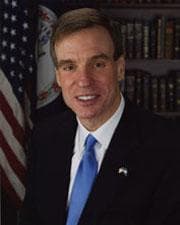
Mark R. Warner
Democratic Senator
Virginia
Cosponsors (1)
Health, Education, Labor, and Pensions Committee
- Introduced
- In Committee
- On Floor
- Passed Chamber
- Enacted
This legislation aims to create a voluntary federal framework for transparency regarding the workforce impacts of artificial intelligence systems. It encourages covered AI system providers and enterprise customers to submit aggregated, de-identified workforce data to the Secretary of Labor. This data would include information on AI usage across broad task categories, geographic distribution, age ranges, and temporal trends, all designed to support evidence-based workforce, education, and economic policymaking. The Act places strong emphasis on privacy, security, and confidentiality safeguards , prohibiting the disclosure of personal data, trade secrets, or information that violates contractual agreements. The Secretary of Labor is tasked with administering the Act, establishing a publicly available online database of the aggregated data, and submitting annual reports to Congress, ensuring no submitted data is attributed to specific entities. Participation is strictly voluntary, with a clear prohibition against drawing adverse inferences for non-participation, and the Secretary can seek injunctive relief for knowing misrepresentation of submitted data.
View Full TextSuggested Questions
Get AI-generated questions to help you understand this bill better
Timeline
Introduced in Senate
Read twice and referred to the Committee on Health, Education, Labor, and Pensions.
Labor and Employment
Workforce Transparency Act of 2026
USA119th CongressS-4476| Senate
| Updated: 4/30/2026
This legislation aims to create a voluntary federal framework for transparency regarding the workforce impacts of artificial intelligence systems. It encourages covered AI system providers and enterprise customers to submit aggregated, de-identified workforce data to the Secretary of Labor. This data would include information on AI usage across broad task categories, geographic distribution, age ranges, and temporal trends, all designed to support evidence-based workforce, education, and economic policymaking. The Act places strong emphasis on privacy, security, and confidentiality safeguards , prohibiting the disclosure of personal data, trade secrets, or information that violates contractual agreements. The Secretary of Labor is tasked with administering the Act, establishing a publicly available online database of the aggregated data, and submitting annual reports to Congress, ensuring no submitted data is attributed to specific entities. Participation is strictly voluntary, with a clear prohibition against drawing adverse inferences for non-participation, and the Secretary can seek injunctive relief for knowing misrepresentation of submitted data.
View Full TextSuggested Questions
Get AI-generated questions to help you understand this bill better
Timeline
Introduced in Senate
Read twice and referred to the Committee on Health, Education, Labor, and Pensions.
Mark R. Warner
Democratic Senator
Virginia
Cosponsors (1)
Health, Education, Labor, and Pensions Committee
Labor and Employment
- Introduced
- In Committee
- On Floor
- Passed Chamber
- Enacted