Save Our Sequoias Act
USA119th CongressS-4103| Senate
| Updated: 3/16/2026
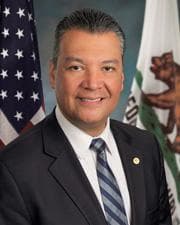
Alex Padilla
Democratic Senator
California
Cosponsors (1)
Energy and Natural Resources Committee
- Introduced
- In Committee
- On Floor
- Passed Chamber
- Enacted
The "Save Our Sequoias Act" declares an emergency on federal lands containing giant sequoias, citing severe threats from wildfires, insects, and drought. This seven-year emergency determination allows for expedited "Protection Projects" to mitigate harm to these critical natural resources. The bill establishes a comprehensive framework to improve the health and resiliency of giant sequoias through coordinated, multi-agency efforts. The Act codifies the Giant Sequoia Lands Coalition , comprising federal, state, tribal, and academic entities, to oversee and coordinate these efforts. The Coalition will produce a Giant Sequoia Health and Resiliency Assessment to identify at-risk groves, analyze threats, and recommend policy changes. It will also maintain a public dashboard with searchable information on groves, projects, and environmental review statuses. The bill authorizes Protection Projects such as hazardous fuels management, tree removal, and activities addressing insects and disease. These projects, covering specific acreage limits, are categorically excluded from certain environmental review requirements under the National Environmental Policy Act for the duration of the emergency. The Secretary concerned is mandated to reduce hazardous fuels in at least three giant sequoia groves annually. A Giant Sequoia Reforestation and Rehabilitation Strategy will be developed to identify groves needing restoration, address barriers like seedling shortages, and ensure genetic diversity. Giant Sequoia Strike Teams will assist with project implementation, including environmental reviews and site preparation. The bill also establishes a grant program for eligible entities to advance sequoia health, prioritizing those with the greatest impact and supporting rural jobs. Grant funds can be used for creating markets for removed hazardous fuels, expanding nursery capacity, and supporting Tribal management. The Secretaries concerned must also develop a strategy for insect monitoring and technology in high-risk groves. Finally, the Act creates the Giant Sequoia Emergency Protection Program and Fund , managed by the National Park Foundation and partners, to support philanthropic efforts for sequoia management, conservation, and reforestation, with a portion dedicated to Tribal support.
Suggested Questions
Get AI-generated questions to help you understand this bill better
Timeline
Introduced in Senate
Read twice and referred to the Committee on Energy and Natural Resources. (Sponsor introductory remarks on measure: CR S1056)
Latest Companion Bill Action
HR 119-2709Received in the Senate and Read twice and referred to the Committee on Energy and Natural Resources.
Environmental Protection
Animal and plant healthCaliforniaCongressional oversightEmergency planning and evacuationEnvironmental assessment, monitoring, researchEnvironmental educationFiresForests, forestry, treesGovernment information and archivesIntergovernmental relationsInternet, web applications, social mediaLand use and conservationParks, recreation areas, trails
Save Our Sequoias Act
USA119th CongressS-4103| Senate
| Updated: 3/16/2026
The "Save Our Sequoias Act" declares an emergency on federal lands containing giant sequoias, citing severe threats from wildfires, insects, and drought. This seven-year emergency determination allows for expedited "Protection Projects" to mitigate harm to these critical natural resources. The bill establishes a comprehensive framework to improve the health and resiliency of giant sequoias through coordinated, multi-agency efforts. The Act codifies the Giant Sequoia Lands Coalition , comprising federal, state, tribal, and academic entities, to oversee and coordinate these efforts. The Coalition will produce a Giant Sequoia Health and Resiliency Assessment to identify at-risk groves, analyze threats, and recommend policy changes. It will also maintain a public dashboard with searchable information on groves, projects, and environmental review statuses. The bill authorizes Protection Projects such as hazardous fuels management, tree removal, and activities addressing insects and disease. These projects, covering specific acreage limits, are categorically excluded from certain environmental review requirements under the National Environmental Policy Act for the duration of the emergency. The Secretary concerned is mandated to reduce hazardous fuels in at least three giant sequoia groves annually. A Giant Sequoia Reforestation and Rehabilitation Strategy will be developed to identify groves needing restoration, address barriers like seedling shortages, and ensure genetic diversity. Giant Sequoia Strike Teams will assist with project implementation, including environmental reviews and site preparation. The bill also establishes a grant program for eligible entities to advance sequoia health, prioritizing those with the greatest impact and supporting rural jobs. Grant funds can be used for creating markets for removed hazardous fuels, expanding nursery capacity, and supporting Tribal management. The Secretaries concerned must also develop a strategy for insect monitoring and technology in high-risk groves. Finally, the Act creates the Giant Sequoia Emergency Protection Program and Fund , managed by the National Park Foundation and partners, to support philanthropic efforts for sequoia management, conservation, and reforestation, with a portion dedicated to Tribal support.
Suggested Questions
Get AI-generated questions to help you understand this bill better
Timeline
Introduced in Senate
Read twice and referred to the Committee on Energy and Natural Resources. (Sponsor introductory remarks on measure: CR S1056)
Latest Companion Bill Action
HR 119-2709Received in the Senate and Read twice and referred to the Committee on Energy and Natural Resources.
Alex Padilla
Democratic Senator
California
Cosponsors (1)
Energy and Natural Resources Committee
Environmental Protection
Related Bills
- Introduced
- In Committee
- On Floor
- Passed Chamber
- Enacted
Animal and plant healthCaliforniaCongressional oversightEmergency planning and evacuationEnvironmental assessment, monitoring, researchEnvironmental educationFiresForests, forestry, treesGovernment information and archivesIntergovernmental relationsInternet, web applications, social mediaLand use and conservationParks, recreation areas, trails