Fair Wages for Home Care Workers Act
USA119th CongressS-4081| Senate
| Updated: 3/12/2026
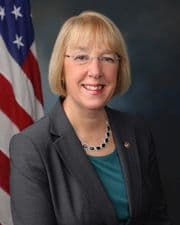
Patty Murray
Democratic Senator
Washington
Cosponsors (21)
Mazie K. Hirono (Democratic)Angela D. Alsobrooks (Democratic)Tammy Duckworth (Democratic)Ruben Gallego (Democratic)Richard J. Durbin (Democratic)Edward J. Markey (Democratic)Charles E. Schumer (Democratic)Kirsten E. Gillibrand (Democratic)Elizabeth Warren (Democratic)Alex Padilla (Democratic)John W. Hickenlooper (Democratic)Tim Kaine (Democratic)Chris Van Hollen (Democratic)Christopher Murphy (Democratic)Bernard Sanders (Independent)Andy Kim (Democratic)Tammy Baldwin (Democratic)Cory A. Booker (Democratic)Peter Welch (Democratic)Ron Wyden (Democratic)Richard Blumenthal (Democratic)
Health, Education, Labor, and Pensions Committee
- Introduced
- In Committee
- On Floor
- Passed Chamber
- Enacted
This legislation, titled the "Fair Wages for Home Care Workers Act," seeks to amend the Fair Labor Standards Act of 1938 to expand federal wage and hour protections. Its primary goal is to ensure that certain caregiving employees, specifically home care workers and those providing companionship services, are no longer exempt from minimum wage and overtime requirements. The bill achieves this by significantly narrowing existing exemptions within the FLSA. It repeals the exemption for employees providing companionship services for the aged or infirm and replaces the broader "domestic service employment" exemption with a much more limited one for individuals providing only casual babysitting services . Crucially, the bill defines "babysitting services" to explicitly exclude care provided by trained personnel like home health aides and personal care aides, thereby ensuring these professional caregivers are covered by federal wage and hour laws.
View Full TextSuggested Questions
Get AI-generated questions to help you understand this bill better
Timeline
Introduced in Senate
Read twice and referred to the Committee on Health, Education, Labor, and Pensions.
Labor and Employment
Fair Wages for Home Care Workers Act
USA119th CongressS-4081| Senate
| Updated: 3/12/2026
This legislation, titled the "Fair Wages for Home Care Workers Act," seeks to amend the Fair Labor Standards Act of 1938 to expand federal wage and hour protections. Its primary goal is to ensure that certain caregiving employees, specifically home care workers and those providing companionship services, are no longer exempt from minimum wage and overtime requirements. The bill achieves this by significantly narrowing existing exemptions within the FLSA. It repeals the exemption for employees providing companionship services for the aged or infirm and replaces the broader "domestic service employment" exemption with a much more limited one for individuals providing only casual babysitting services . Crucially, the bill defines "babysitting services" to explicitly exclude care provided by trained personnel like home health aides and personal care aides, thereby ensuring these professional caregivers are covered by federal wage and hour laws.
View Full TextSuggested Questions
Get AI-generated questions to help you understand this bill better
Timeline
Introduced in Senate
Read twice and referred to the Committee on Health, Education, Labor, and Pensions.
Patty Murray
Democratic Senator
Washington
Cosponsors (21)
Mazie K. Hirono (Democratic)Angela D. Alsobrooks (Democratic)Tammy Duckworth (Democratic)Ruben Gallego (Democratic)Richard J. Durbin (Democratic)Edward J. Markey (Democratic)Charles E. Schumer (Democratic)Kirsten E. Gillibrand (Democratic)Elizabeth Warren (Democratic)Alex Padilla (Democratic)John W. Hickenlooper (Democratic)Tim Kaine (Democratic)Chris Van Hollen (Democratic)Christopher Murphy (Democratic)Bernard Sanders (Independent)Andy Kim (Democratic)Tammy Baldwin (Democratic)Cory A. Booker (Democratic)Peter Welch (Democratic)Ron Wyden (Democratic)Richard Blumenthal (Democratic)
Health, Education, Labor, and Pensions Committee
Labor and Employment
Related Bills
- Introduced
- In Committee
- On Floor
- Passed Chamber
- Enacted