Stop Unemployment Fraud Act
USA119th CongressS-4016| Senate
| Updated: 3/5/2026
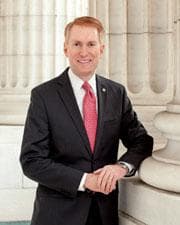
James Lankford
Republican Senator
Oklahoma
Finance Committee
- Introduced
- In Committee
- On Floor
- Passed Chamber
- Enacted
This bill introduces several measures to combat fraud and strengthen the integrity of the unemployment compensation system. It mandates that states establish rigorous procedures for identity verification of claimants, requiring at least one government-issued ID and supporting documents. The legislation also requires states to implement comprehensive data matching protocols, including using an integrity data hub and cross-referencing claimant information with records of new hires, incarcerated individuals, and deceased individuals, to ensure only eligible claimants receive benefits. Furthermore, the bill shifts the unemployment compensation model by prohibiting the "pay and chase" approach, ensuring that payments are only made after eligibility is fully confirmed , including identity verification. It explicitly states that a claimant's self-attestation alone is insufficient to prove eligibility for benefits, with the Secretary of Labor setting maximum timeframes for benefit payments. The bill also strengthens work search requirements , mandating claimants register for employment services, maintain detailed work search records, and submit them weekly for state verification. To ensure compliance, the Secretary of Labor will monitor states and can withhold administrative funds or implement corrective action plans for non-compliant states. Finally, the bill provides states with an incentive for fraud prevention by allowing them to retain up to 5% of recovered overpayments or collected contributions resulting from investigations. These funds can be used for purposes such as deterring fraud, modernizing unemployment insurance technology, and improving overall program administration.
View Full TextSuggested Questions
Get AI-generated questions to help you understand this bill better
Timeline
Introduced in Senate
Read twice and referred to the Committee on Finance.
Taxation
Stop Unemployment Fraud Act
USA119th CongressS-4016| Senate
| Updated: 3/5/2026
This bill introduces several measures to combat fraud and strengthen the integrity of the unemployment compensation system. It mandates that states establish rigorous procedures for identity verification of claimants, requiring at least one government-issued ID and supporting documents. The legislation also requires states to implement comprehensive data matching protocols, including using an integrity data hub and cross-referencing claimant information with records of new hires, incarcerated individuals, and deceased individuals, to ensure only eligible claimants receive benefits. Furthermore, the bill shifts the unemployment compensation model by prohibiting the "pay and chase" approach, ensuring that payments are only made after eligibility is fully confirmed , including identity verification. It explicitly states that a claimant's self-attestation alone is insufficient to prove eligibility for benefits, with the Secretary of Labor setting maximum timeframes for benefit payments. The bill also strengthens work search requirements , mandating claimants register for employment services, maintain detailed work search records, and submit them weekly for state verification. To ensure compliance, the Secretary of Labor will monitor states and can withhold administrative funds or implement corrective action plans for non-compliant states. Finally, the bill provides states with an incentive for fraud prevention by allowing them to retain up to 5% of recovered overpayments or collected contributions resulting from investigations. These funds can be used for purposes such as deterring fraud, modernizing unemployment insurance technology, and improving overall program administration.
View Full TextSuggested Questions
Get AI-generated questions to help you understand this bill better
Timeline
Introduced in Senate
Read twice and referred to the Committee on Finance.
James Lankford
Republican Senator
Oklahoma
Finance Committee
Taxation
Related Bills
- Introduced
- In Committee
- On Floor
- Passed Chamber
- Enacted