Family Grocery and Farmer Relief Act
USA119th CongressS-4007| Senate
| Updated: 3/5/2026
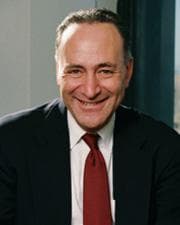
Charles E. Schumer
Democratic Senator
New York
Cosponsors (14)
Ruben Gallego (Democratic)Richard J. Durbin (Democratic)Edward J. Markey (Democratic)Elizabeth Warren (Democratic)Sheldon Whitehouse (Democratic)Chris Van Hollen (Democratic)Christopher Murphy (Democratic)Bernard Sanders (Independent)Brian Schatz (Democratic)Andy Kim (Democratic)Cory A. Booker (Democratic)Peter Welch (Democratic)Jeff Merkley (Democratic)Richard Blumenthal (Democratic)
Judiciary Committee
- Introduced
- In Committee
- On Floor
- Passed Chamber
- Enacted
This bill, named the Family Grocery and Farmer Relief Act, addresses excessive concentration in the U.S. meatpacking industry, which it identifies as harmful to farmers, workers, and consumers. It notes that a few firms control a dominant share of beef, pork, and chicken processing, leading to diminished bargaining power for producers and higher consumer prices. The legislation's core purpose is to restore competition, reduce market power, and ultimately lower prices for American families. To achieve this, the bill makes it unlawful for a covered meatpacking enterprise to operate in more than one line of protein (beef, pork, or poultry) and mandates divestiture for existing violations. It also establishes specific thresholds for market concentration in the beef meatpacking market, based on the Herfindahl-Hirschman Index (HHI), CR4 (four-firm concentration ratio), or a single firm's market share. If these thresholds are exceeded in a regional or national beef market, the Federal Trade Commission (FTC) is required to order divestitures. The legislation also addresses vertical consolidation by prohibiting beef meatpacking enterprises from slaughtering more than 10 percent of cattle from any single large feedlot, creating a private right of action for violations. Furthermore, it declares it unlawful for covered foreign-controlled meatpacking enterprises , specifically naming JBS S.A., to operate in U.S. interstate commerce. These entities are required to divest their U.S. operations, with a preference for transfer to U.S.-based, independent entities, farmers' cooperatives, or worker-owned enterprises. The FTC is mandated to study other foreign-controlled meatpacking entities and may require divestment or other remedial actions if competitive, national security, or food system resilience concerns are identified. To combat high consumer prices, the bill directs the FTC to report on how it will maximize its authority under the Packers and Stockyards Act and the Federal Trade Commission Act to address unfair retail and wholesale meat prices and price discrimination. Finally, the bill authorizes financial assistance and loan guarantees for farmers' cooperatives and small businesses to acquire or expand meatpacking plants divested under this Act, promoting new competition. The FTC is granted significant enforcement powers, including civil penalties of up to 10 percent of revenue for failure to divest and the ability to bring civil actions.
View Full TextSuggested Questions
Get AI-generated questions to help you understand this bill better
Timeline
Introduced in Senate
Read twice and referred to the Committee on the Judiciary. (text: CR S883-887)
Agriculture and Food
Family Grocery and Farmer Relief Act
USA119th CongressS-4007| Senate
| Updated: 3/5/2026
This bill, named the Family Grocery and Farmer Relief Act, addresses excessive concentration in the U.S. meatpacking industry, which it identifies as harmful to farmers, workers, and consumers. It notes that a few firms control a dominant share of beef, pork, and chicken processing, leading to diminished bargaining power for producers and higher consumer prices. The legislation's core purpose is to restore competition, reduce market power, and ultimately lower prices for American families. To achieve this, the bill makes it unlawful for a covered meatpacking enterprise to operate in more than one line of protein (beef, pork, or poultry) and mandates divestiture for existing violations. It also establishes specific thresholds for market concentration in the beef meatpacking market, based on the Herfindahl-Hirschman Index (HHI), CR4 (four-firm concentration ratio), or a single firm's market share. If these thresholds are exceeded in a regional or national beef market, the Federal Trade Commission (FTC) is required to order divestitures. The legislation also addresses vertical consolidation by prohibiting beef meatpacking enterprises from slaughtering more than 10 percent of cattle from any single large feedlot, creating a private right of action for violations. Furthermore, it declares it unlawful for covered foreign-controlled meatpacking enterprises , specifically naming JBS S.A., to operate in U.S. interstate commerce. These entities are required to divest their U.S. operations, with a preference for transfer to U.S.-based, independent entities, farmers' cooperatives, or worker-owned enterprises. The FTC is mandated to study other foreign-controlled meatpacking entities and may require divestment or other remedial actions if competitive, national security, or food system resilience concerns are identified. To combat high consumer prices, the bill directs the FTC to report on how it will maximize its authority under the Packers and Stockyards Act and the Federal Trade Commission Act to address unfair retail and wholesale meat prices and price discrimination. Finally, the bill authorizes financial assistance and loan guarantees for farmers' cooperatives and small businesses to acquire or expand meatpacking plants divested under this Act, promoting new competition. The FTC is granted significant enforcement powers, including civil penalties of up to 10 percent of revenue for failure to divest and the ability to bring civil actions.
View Full TextSuggested Questions
Get AI-generated questions to help you understand this bill better
Timeline
Introduced in Senate
Read twice and referred to the Committee on the Judiciary. (text: CR S883-887)
Charles E. Schumer
Democratic Senator
New York
Cosponsors (14)
Ruben Gallego (Democratic)Richard J. Durbin (Democratic)Edward J. Markey (Democratic)Elizabeth Warren (Democratic)Sheldon Whitehouse (Democratic)Chris Van Hollen (Democratic)Christopher Murphy (Democratic)Bernard Sanders (Independent)Brian Schatz (Democratic)Andy Kim (Democratic)Cory A. Booker (Democratic)Peter Welch (Democratic)Jeff Merkley (Democratic)Richard Blumenthal (Democratic)
Judiciary Committee
Agriculture and Food
Related Bills
- Introduced
- In Committee
- On Floor
- Passed Chamber
- Enacted