EDA Short Form Application Act
USA119th CongressS-3965| Senate
| Updated: 3/3/2026
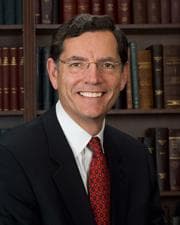
John Barrasso
Republican Senator
Wyoming
Cosponsors (15)
Angela D. Alsobrooks (Democratic)Jon Ossoff (Democratic)Catherine Cortez Masto (Democratic)Jerry Moran (Republican)Cynthia M. Lummis (Republican)Amy Klobuchar (Democratic)Mike Rounds (Republican)Michael F. Bennet (Democratic)John Fetterman (Democratic)Tina Smith (Democratic)Brian Schatz (Democratic)Josh Hawley (Republican)Pete Ricketts (Republican)Steve Daines (Republican)Mark Kelly (Democratic)
Environment and Public Works Committee
- Introduced
- In Committee
- On Floor
- Passed Chamber
- Enacted
This legislation, known as the EDA Short Form Application Act , aims to simplify the grant application process for rural communities seeking economic development funding. It directs the Assistant Secretary of Commerce for Economic Development to establish and implement a short form application specifically for these communities across all Economic Development Administration grant programs. The bill defines a rural community as an incorporated municipality, Tribal area, or territory with a population of not more than 10,000 individuals, or one not located within a metropolitan statistical area. To ensure the effectiveness of these new forms, the Assistant Secretary must actively solicit input from a representative group of rural stakeholders . This input will focus on improving various aspects of the application process, including reducing application length, standardizing materials, and eliminating repetitive information already provided to the Federal Government. Furthermore, the legislation emphasizes transparency in the grant application process. It requires the public availability of sample successful applications, redacted for privacy, alongside clear criteria decision guides explaining how applications are reviewed and rated. The bill also mandates the provision of standardized guidance to assist rural communities in successfully applying for EDA grants.
View Full TextSuggested Questions
Get AI-generated questions to help you understand this bill better
Timeline
Introduced in Senate
Read twice and referred to the Committee on Environment and Public Works. (text: CR S764)
Commerce
EDA Short Form Application Act
USA119th CongressS-3965| Senate
| Updated: 3/3/2026
This legislation, known as the EDA Short Form Application Act , aims to simplify the grant application process for rural communities seeking economic development funding. It directs the Assistant Secretary of Commerce for Economic Development to establish and implement a short form application specifically for these communities across all Economic Development Administration grant programs. The bill defines a rural community as an incorporated municipality, Tribal area, or territory with a population of not more than 10,000 individuals, or one not located within a metropolitan statistical area. To ensure the effectiveness of these new forms, the Assistant Secretary must actively solicit input from a representative group of rural stakeholders . This input will focus on improving various aspects of the application process, including reducing application length, standardizing materials, and eliminating repetitive information already provided to the Federal Government. Furthermore, the legislation emphasizes transparency in the grant application process. It requires the public availability of sample successful applications, redacted for privacy, alongside clear criteria decision guides explaining how applications are reviewed and rated. The bill also mandates the provision of standardized guidance to assist rural communities in successfully applying for EDA grants.
View Full TextSuggested Questions
Get AI-generated questions to help you understand this bill better
Timeline
Introduced in Senate
Read twice and referred to the Committee on Environment and Public Works. (text: CR S764)
John Barrasso
Republican Senator
Wyoming
Cosponsors (15)
Angela D. Alsobrooks (Democratic)Jon Ossoff (Democratic)Catherine Cortez Masto (Democratic)Jerry Moran (Republican)Cynthia M. Lummis (Republican)Amy Klobuchar (Democratic)Mike Rounds (Republican)Michael F. Bennet (Democratic)John Fetterman (Democratic)Tina Smith (Democratic)Brian Schatz (Democratic)Josh Hawley (Republican)Pete Ricketts (Republican)Steve Daines (Republican)Mark Kelly (Democratic)
Environment and Public Works Committee
Commerce
- Introduced
- In Committee
- On Floor
- Passed Chamber
- Enacted