LCBP Enhancements Act of 2026
USA119th CongressS-3833| Senate
| Updated: 2/11/2026
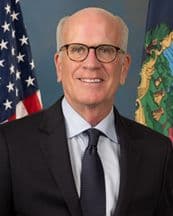
Peter Welch
Democratic Senator
Vermont
Cosponsors (3)
Environment and Public Works Committee
- Introduced
- In Committee
- On Floor
- Passed Chamber
- Enacted
This legislation amends the Federal Water Pollution Control Act to significantly update the management and scope of the Patrick Leahy Lake Champlain Basin Program. A key provision establishes a new process for selecting a fiscal agent , replacing the New England Interstate Water Pollution Control Commission, to handle the program's financial and administrative responsibilities. This new fiscal agent will be jointly selected by the Steering Committee and the Administrator, with their effectiveness assessed at least every five years. If deemed appropriate, a new agent can be chosen through a competitive process, prioritizing entities headquartered within the Lake Champlain drainage basin or nearby states. The bill mandates stakeholder engagement during these assessments and requires a report to Congress on the findings. Furthermore, the legislation authorizes the United States Section of the Great Lakes Fishery Commission to undertake and fund various environmental activities within the Lake Champlain drainage basin and surrounding areas. These activities include fisheries and aquatic ecosystem research, sea lamprey control, aquatic invasive species prevention, and public engagement. The Commission is empowered to collaborate with the Lake Champlain Basin Program, federal and state agencies, and Canadian authorities. Finally, the bill extends the authorization for the Patrick Leahy Lake Champlain Basin Program from 2027 to 2032 , ensuring continued federal support for its critical environmental protection and restoration efforts.
View Full TextSuggested Questions
Get AI-generated questions to help you understand this bill better
Timeline
Introduced in Senate
Read twice and referred to the Committee on Environment and Public Works.
Latest Companion Bill Action
HR 119-7560Referred to the Subcommittee on Water Resources and Environment.
Environmental Protection
LCBP Enhancements Act of 2026
USA119th CongressS-3833| Senate
| Updated: 2/11/2026
This legislation amends the Federal Water Pollution Control Act to significantly update the management and scope of the Patrick Leahy Lake Champlain Basin Program. A key provision establishes a new process for selecting a fiscal agent , replacing the New England Interstate Water Pollution Control Commission, to handle the program's financial and administrative responsibilities. This new fiscal agent will be jointly selected by the Steering Committee and the Administrator, with their effectiveness assessed at least every five years. If deemed appropriate, a new agent can be chosen through a competitive process, prioritizing entities headquartered within the Lake Champlain drainage basin or nearby states. The bill mandates stakeholder engagement during these assessments and requires a report to Congress on the findings. Furthermore, the legislation authorizes the United States Section of the Great Lakes Fishery Commission to undertake and fund various environmental activities within the Lake Champlain drainage basin and surrounding areas. These activities include fisheries and aquatic ecosystem research, sea lamprey control, aquatic invasive species prevention, and public engagement. The Commission is empowered to collaborate with the Lake Champlain Basin Program, federal and state agencies, and Canadian authorities. Finally, the bill extends the authorization for the Patrick Leahy Lake Champlain Basin Program from 2027 to 2032 , ensuring continued federal support for its critical environmental protection and restoration efforts.
View Full TextSuggested Questions
Get AI-generated questions to help you understand this bill better
Timeline
Introduced in Senate
Read twice and referred to the Committee on Environment and Public Works.
Latest Companion Bill Action
HR 119-7560Referred to the Subcommittee on Water Resources and Environment.
Peter Welch
Democratic Senator
Vermont
Cosponsors (3)
Environment and Public Works Committee
Environmental Protection
Related Bills
- Introduced
- In Committee
- On Floor
- Passed Chamber
- Enacted