Balance the Highway Trust Fund Act
USA119th CongressS-3786| Senate
| Updated: 2/5/2026
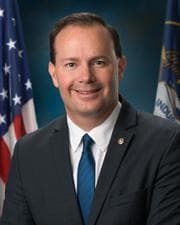
Mike Lee
Republican Senator
Utah
Environment and Public Works Committee
- Introduced
- In Committee
- On Floor
- Passed Chamber
- Enacted
This legislation aims to ensure the solvency of the Highway Trust Fund by imposing strict spending limitations. Effective October 1, 2027, the bill mandates that obligations for Federal-aid highway and highway safety construction programs cannot exceed the net highway receipts estimated by the Secretary of the Treasury for that fiscal year. The Secretary of Transportation is tasked with distributing this limited obligation authority, excluding amounts for administrative expenses and the Bureau of Transportation Statistics. The distribution process also accounts for any unobligated balances from previous fiscal years, ensuring efficient allocation of funds. Furthermore, the bill allows for the redistribution of unused obligation authority after August 1st of each fiscal year to states that can obligate additional amounts, prioritizing those with significant unobligated balances. Obligation limitations also apply to transportation research programs, with a provision allowing funds to remain available for four fiscal years. A key provision also requires the Secretary to distribute certain authorized but unobligated funds to states within 30 days of the initial obligation authority distribution. Finally, the legislation extends the principle of spending within means to the Mass Transit Account of the Highway Trust Fund, capping obligations at its estimated net mass transit receipts for each fiscal year.
View Full TextSuggested Questions
Get AI-generated questions to help you understand this bill better
Timeline
Introduced in Senate
Read twice and referred to the Committee on Environment and Public Works.
Transportation and Public Works
Balance the Highway Trust Fund Act
USA119th CongressS-3786| Senate
| Updated: 2/5/2026
This legislation aims to ensure the solvency of the Highway Trust Fund by imposing strict spending limitations. Effective October 1, 2027, the bill mandates that obligations for Federal-aid highway and highway safety construction programs cannot exceed the net highway receipts estimated by the Secretary of the Treasury for that fiscal year. The Secretary of Transportation is tasked with distributing this limited obligation authority, excluding amounts for administrative expenses and the Bureau of Transportation Statistics. The distribution process also accounts for any unobligated balances from previous fiscal years, ensuring efficient allocation of funds. Furthermore, the bill allows for the redistribution of unused obligation authority after August 1st of each fiscal year to states that can obligate additional amounts, prioritizing those with significant unobligated balances. Obligation limitations also apply to transportation research programs, with a provision allowing funds to remain available for four fiscal years. A key provision also requires the Secretary to distribute certain authorized but unobligated funds to states within 30 days of the initial obligation authority distribution. Finally, the legislation extends the principle of spending within means to the Mass Transit Account of the Highway Trust Fund, capping obligations at its estimated net mass transit receipts for each fiscal year.
View Full TextSuggested Questions
Get AI-generated questions to help you understand this bill better
Timeline
Introduced in Senate
Read twice and referred to the Committee on Environment and Public Works.
Mike Lee
Republican Senator
Utah
Environment and Public Works Committee
Transportation and Public Works
- Introduced
- In Committee
- On Floor
- Passed Chamber
- Enacted