SAVE America Act
USA119th CongressS-3752| Senate
| Updated: 1/29/2026
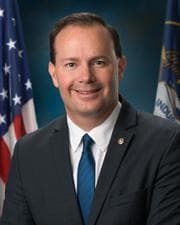
Mike Lee
Republican Senator
Utah
Cosponsors (48)
Joni Ernst (Republican)Tommy Tuberville (Republican)Rick Scott (Republican)Bill Cassidy (Republican)Roger Marshall (Republican)Markwayne Mullin (Republican)Dan Sullivan (Republican)Katie Boyd Britt (Republican)Jim Banks (Republican)Cindy Hyde-Smith (Republican)Jerry Moran (Republican)James E. Risch (Republican)Cynthia M. Lummis (Republican)Eric Schmitt (Republican)Ron Johnson (Republican)Marsha Blackburn (Republican)Todd Young (Republican)John R. Curtis (Republican)Ashley Moody (Republican)Tom Cotton (Republican)Lindsey Graham (Republican)Roger F. Wicker (Republican)Rand Paul (Republican)John Boozman (Republican)Tim Sheehy (Republican)John Thune (Republican)Mike Rounds (Republican)Ted Cruz (Republican)Tim Scott (Republican)Kevin Cramer (Republican)James Lankford (Republican)James C. Justice (Republican)John Kennedy (Republican)Deb Fischer (Republican)Bill Hagerty (Republican)John Barrasso (Republican)David McCormick (Republican)Josh Hawley (Republican)John Cornyn (Republican)Jon Husted (Republican)Chuck Grassley (Republican)Bernie Moreno (Republican)Pete Ricketts (Republican)Steve Daines (Republican)John Hoeven (Republican)Ted Budd (Republican)Mike Crapo (Republican)Shelley Moore Capito (Republican)
Rules and Administration Committee
- Introduced
- In Committee
- On Floor
- Passed Chamber
- Enacted
The legislation significantly amends the National Voter Registration Act of 1993 by requiring all individuals to provide documentary proof of United States citizenship when registering to vote in federal elections. This proof can include a REAL ID indicating citizenship, a U.S. passport, military identification with service records, or a government-issued photo ID combined with a certified birth certificate or naturalization papers. States must implement processes to verify citizenship for all registration methods, including motor vehicle departments and mail-in applications, and notify applicants of these new requirements. For applicants unable to provide standard documentary proof, states must establish a process allowing them to attest to citizenship under penalty of perjury and submit other evidence, with an election official making a determination supported by an affidavit. States are also mandated to take ongoing affirmative steps to ensure only citizens are registered, utilizing data from federal agencies like the Department of Homeland Security's SAVE program or the Social Security Administration. Furthermore, the bill requires states to promptly remove individuals from voter rolls upon receiving verified information that they are not U.S. citizens. In addition to registration changes, the legislation introduces a requirement for all voters in federal elections to present an eligible photo identification document . This ID must contain a photograph, indicate U.S. citizenship on its face, and include an identification number or the last four digits of a Social Security number. For absentee voting, a copy of this ID must accompany both the ballot request and the submitted ballot. Federal departments and agencies are directed to share information with state election officials to verify voter citizenship, and the Department of Homeland Security must investigate for removal proceedings if an alien is found unlawfully registered. The bill also expands criminal penalties for election officials who register applicants without proof of citizenship and for providing assistance to non-citizens attempting to vote. These provisions take effect immediately upon enactment, applying to all voter registration applications and federal elections thereafter.
Suggested Questions
Get AI-generated questions to help you understand this bill better
Timeline
Introduced in Senate
Read twice and referred to the Committee on Rules and Administration.
Government Operations and Politics
SAVE America Act
USA119th CongressS-3752| Senate
| Updated: 1/29/2026
The legislation significantly amends the National Voter Registration Act of 1993 by requiring all individuals to provide documentary proof of United States citizenship when registering to vote in federal elections. This proof can include a REAL ID indicating citizenship, a U.S. passport, military identification with service records, or a government-issued photo ID combined with a certified birth certificate or naturalization papers. States must implement processes to verify citizenship for all registration methods, including motor vehicle departments and mail-in applications, and notify applicants of these new requirements. For applicants unable to provide standard documentary proof, states must establish a process allowing them to attest to citizenship under penalty of perjury and submit other evidence, with an election official making a determination supported by an affidavit. States are also mandated to take ongoing affirmative steps to ensure only citizens are registered, utilizing data from federal agencies like the Department of Homeland Security's SAVE program or the Social Security Administration. Furthermore, the bill requires states to promptly remove individuals from voter rolls upon receiving verified information that they are not U.S. citizens. In addition to registration changes, the legislation introduces a requirement for all voters in federal elections to present an eligible photo identification document . This ID must contain a photograph, indicate U.S. citizenship on its face, and include an identification number or the last four digits of a Social Security number. For absentee voting, a copy of this ID must accompany both the ballot request and the submitted ballot. Federal departments and agencies are directed to share information with state election officials to verify voter citizenship, and the Department of Homeland Security must investigate for removal proceedings if an alien is found unlawfully registered. The bill also expands criminal penalties for election officials who register applicants without proof of citizenship and for providing assistance to non-citizens attempting to vote. These provisions take effect immediately upon enactment, applying to all voter registration applications and federal elections thereafter.
Suggested Questions
Get AI-generated questions to help you understand this bill better
Timeline
Introduced in Senate
Read twice and referred to the Committee on Rules and Administration.
Mike Lee
Republican Senator
Utah
Cosponsors (48)
Joni Ernst (Republican)Tommy Tuberville (Republican)Rick Scott (Republican)Bill Cassidy (Republican)Roger Marshall (Republican)Markwayne Mullin (Republican)Dan Sullivan (Republican)Katie Boyd Britt (Republican)Jim Banks (Republican)Cindy Hyde-Smith (Republican)Jerry Moran (Republican)James E. Risch (Republican)Cynthia M. Lummis (Republican)Eric Schmitt (Republican)Ron Johnson (Republican)Marsha Blackburn (Republican)Todd Young (Republican)John R. Curtis (Republican)Ashley Moody (Republican)Tom Cotton (Republican)Lindsey Graham (Republican)Roger F. Wicker (Republican)Rand Paul (Republican)John Boozman (Republican)Tim Sheehy (Republican)John Thune (Republican)Mike Rounds (Republican)Ted Cruz (Republican)Tim Scott (Republican)Kevin Cramer (Republican)James Lankford (Republican)James C. Justice (Republican)John Kennedy (Republican)Deb Fischer (Republican)Bill Hagerty (Republican)John Barrasso (Republican)David McCormick (Republican)Josh Hawley (Republican)John Cornyn (Republican)Jon Husted (Republican)Chuck Grassley (Republican)Bernie Moreno (Republican)Pete Ricketts (Republican)Steve Daines (Republican)John Hoeven (Republican)Ted Budd (Republican)Mike Crapo (Republican)Shelley Moore Capito (Republican)
Rules and Administration Committee
Government Operations and Politics
Related Bills
- HR 119-7296: SAVE America Act
- HR 119-8595: Making appropriations for national security, Department of State, and related programs for the fiscal year ending September 30, 2027, and for other purposes.
- HR 119-8206: Homeland Security and Further Additional Continuing Appropriations Act, 2026
- HR 119-22: SAVE Act
- S 119-128: SAVE Act
- Introduced
- In Committee
- On Floor
- Passed Chamber
- Enacted