Save the Kurds Act
USA119th CongressS-3740| Senate
| Updated: 1/29/2026
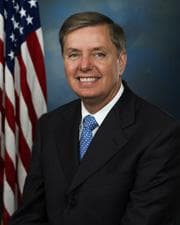
Lindsey Graham
Republican Senator
South Carolina
Cosponsors (1)
Banking, Housing, and Urban Affairs Committee
- Introduced
- In Committee
- On Floor
- Passed Chamber
- Enacted
This bill aims to impose significant sanctions and other measures against the Government of Syria, driven by a congressional sense that the Kurdish-led Syrian Democratic Forces (SDF) are crucial partners in combating ISIS. It asserts that any actions by the Syrian government or regional actors that undermine the SDF are contrary to U.S. national security interests. A key provision mandates the immediate redesignation of Hay'at Tahrir al-Sham (HTS) as a foreign terrorist organization upon enactment. The legislation establishes a robust congressional review process for any presidential decision to terminate Syria's designation as a State Sponsor of Terrorism. Such a termination would not take effect for 90 days (or 120 days during summer), allowing Congress to consider a joint resolution of disapproval. This mechanism ensures legislative oversight over a critical foreign policy decision regarding Syria's status. The bill mandates extensive sanctions on various Syrian government officials, including the President, ministers, and heads of key financial and military institutions. It also targets foreign persons involved in activities supporting the Syrian government, such as transnational crime, human rights abuses, or providing financial, material, or technological aid. These sanctions include the blocking of property and ineligibility for U.S. visas for individuals. Significant financial restrictions are imposed, requiring sanctions on the Central Bank of Syria and other Syrian financial institutions, as well as foreign financial institutions that transact with them. U.S. persons are prohibited from engaging in transactions with these sanctioned entities. The bill also reinstates sanctions from several previously repealed Executive Orders, further tightening economic pressure on the Syrian regime. Further economic measures include prohibiting the listing or trading of Syrian government-affiliated entities on U.S. securities exchanges. New investments in Syria by U.S. persons are banned, along with the provision of certain services to Syria. Sanctions are also directed at foreign persons supporting Syria's energy sector and prohibit U.S. persons from purchasing Syrian sovereign debt. The bill also targets international financial messaging systems that knowingly circumvent U.S. sanctions on Syria, imposing penalties on them and their leadership. Crucially, the legislation includes several exceptions, such as for intelligence activities, law enforcement purposes, and humanitarian assistance , including the provision of agricultural commodities, food, medicine, and medical devices. The President retains authority to suspend sanctions if Syria ceases attacks on the Kurdish-led SDF, with immediate reinstatement if attacks resume, and the Act is set to terminate after five years.
View Full TextSuggested Questions
Get AI-generated questions to help you understand this bill better
Timeline
Introduced in Senate
Read twice and referred to the Committee on Banking, Housing, and Urban Affairs.
International Affairs
Save the Kurds Act
USA119th CongressS-3740| Senate
| Updated: 1/29/2026
This bill aims to impose significant sanctions and other measures against the Government of Syria, driven by a congressional sense that the Kurdish-led Syrian Democratic Forces (SDF) are crucial partners in combating ISIS. It asserts that any actions by the Syrian government or regional actors that undermine the SDF are contrary to U.S. national security interests. A key provision mandates the immediate redesignation of Hay'at Tahrir al-Sham (HTS) as a foreign terrorist organization upon enactment. The legislation establishes a robust congressional review process for any presidential decision to terminate Syria's designation as a State Sponsor of Terrorism. Such a termination would not take effect for 90 days (or 120 days during summer), allowing Congress to consider a joint resolution of disapproval. This mechanism ensures legislative oversight over a critical foreign policy decision regarding Syria's status. The bill mandates extensive sanctions on various Syrian government officials, including the President, ministers, and heads of key financial and military institutions. It also targets foreign persons involved in activities supporting the Syrian government, such as transnational crime, human rights abuses, or providing financial, material, or technological aid. These sanctions include the blocking of property and ineligibility for U.S. visas for individuals. Significant financial restrictions are imposed, requiring sanctions on the Central Bank of Syria and other Syrian financial institutions, as well as foreign financial institutions that transact with them. U.S. persons are prohibited from engaging in transactions with these sanctioned entities. The bill also reinstates sanctions from several previously repealed Executive Orders, further tightening economic pressure on the Syrian regime. Further economic measures include prohibiting the listing or trading of Syrian government-affiliated entities on U.S. securities exchanges. New investments in Syria by U.S. persons are banned, along with the provision of certain services to Syria. Sanctions are also directed at foreign persons supporting Syria's energy sector and prohibit U.S. persons from purchasing Syrian sovereign debt. The bill also targets international financial messaging systems that knowingly circumvent U.S. sanctions on Syria, imposing penalties on them and their leadership. Crucially, the legislation includes several exceptions, such as for intelligence activities, law enforcement purposes, and humanitarian assistance , including the provision of agricultural commodities, food, medicine, and medical devices. The President retains authority to suspend sanctions if Syria ceases attacks on the Kurdish-led SDF, with immediate reinstatement if attacks resume, and the Act is set to terminate after five years.
View Full TextSuggested Questions
Get AI-generated questions to help you understand this bill better
Timeline
Introduced in Senate
Read twice and referred to the Committee on Banking, Housing, and Urban Affairs.
Lindsey Graham
Republican Senator
South Carolina
Cosponsors (1)
Banking, Housing, and Urban Affairs Committee
International Affairs
- Introduced
- In Committee
- On Floor
- Passed Chamber
- Enacted